Posts
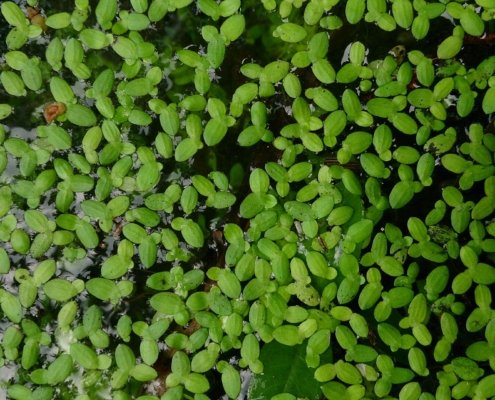 Mokkie/Wikimedia Commons – CC BY-SA 3.0
https://resoilfoundation.org/wp-content/uploads/2026/09/pianta-radici-1.jpg
1080
1920
Matteo Cavallito
https://resoilfoundation.org/wp-content/uploads/2020/01/logo_resoilfoundation.png
Matteo Cavallito2026-09-21 11:00:342026-09-17 19:28:25Dialogue with microorganisms reshapes roots and helps plants
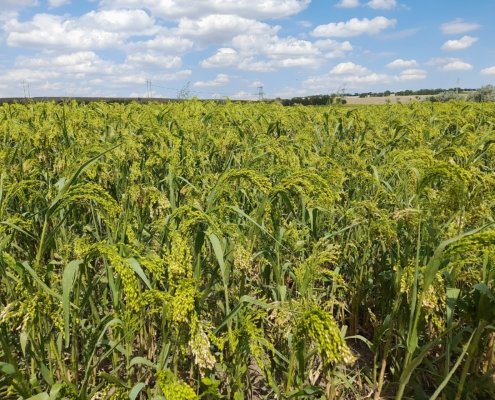 Yuriy Kvach/Wikimedia Commons – CC BY-SA 4.0
https://resoilfoundation.org/wp-content/uploads/2026/09/Field_in_Ivanivka_hromada-1.jpg
1440
1920
Matteo Cavallito
https://resoilfoundation.org/wp-content/uploads/2020/01/logo_resoilfoundation.png
Matteo Cavallito2026-09-18 11:00:072026-09-16 19:12:42Resilient agriculture, a lesson from the Bronze Age
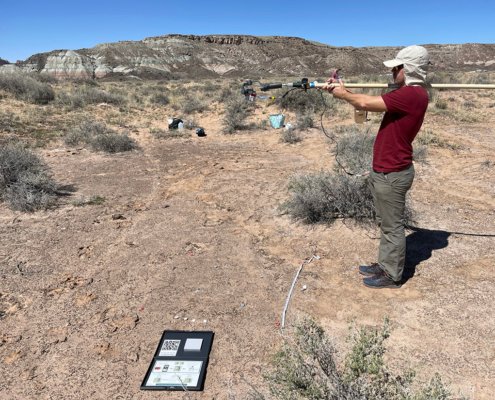 Penn State. Attribution-NonCommercial-NoDerivatives 4.0 International, CC BY-NC-ND 4.0 Deed.
https://resoilfoundation.org/wp-content/uploads/2026/09/biocroste-1.jpg
825
1100
Matteo Cavallito
https://resoilfoundation.org/wp-content/uploads/2020/01/logo_resoilfoundation.png
Matteo Cavallito2026-09-11 11:00:332026-09-10 18:33:10AI uses a pigment to reveal the condition of biocrusts
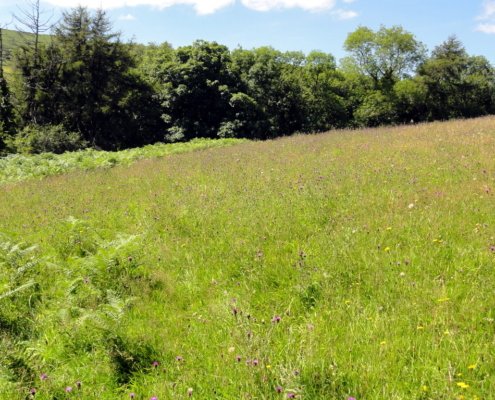 Steve Daniels Attribution-ShareAlike 2.0 Generic CC BY-SA 2.0 Deed
https://resoilfoundation.org/wp-content/uploads/2026/08/prateria-naturale.jpg
768
1024
Matteo Cavallito
https://resoilfoundation.org/wp-content/uploads/2020/01/logo_resoilfoundation.png
Matteo Cavallito2026-08-26 11:00:412026-08-12 12:47:10Extreme drought: biodiversity helps grasslands, but not forests
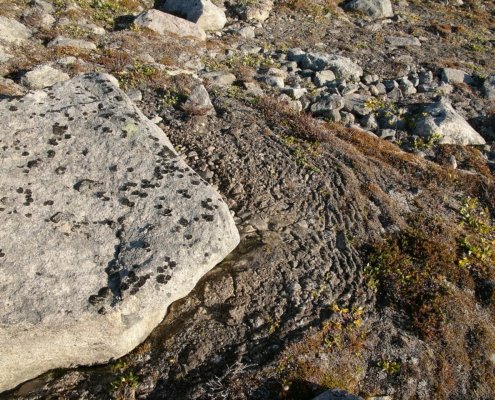 Hannes Grobe Attribution-ShareAlike 2.5 Generic CC BY-SA 2.5 Deed
https://resoilfoundation.org/wp-content/uploads/2026/08/terrazze-permafrost.jpg
1440
1920
Matteo Cavallito
https://resoilfoundation.org/wp-content/uploads/2020/01/logo_resoilfoundation.png
Matteo Cavallito2026-08-03 11:00:272026-07-23 18:25:55A fluid could explain the mystery of permafrost terraces
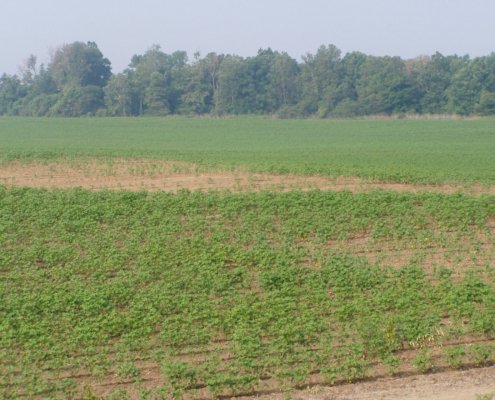 Chris Light, Attribution-ShareAlike 4.0 International (CC BY-SA 4.0)
https://resoilfoundation.org/wp-content/uploads/2026/07/cotone-campo-1.jpg
1440
1920
Matteo Cavallito
https://resoilfoundation.org/wp-content/uploads/2020/01/logo_resoilfoundation.png
Matteo Cavallito2026-07-31 11:00:042026-07-21 13:47:14Cover crops and reduced tillage cut water demand in cotton fields
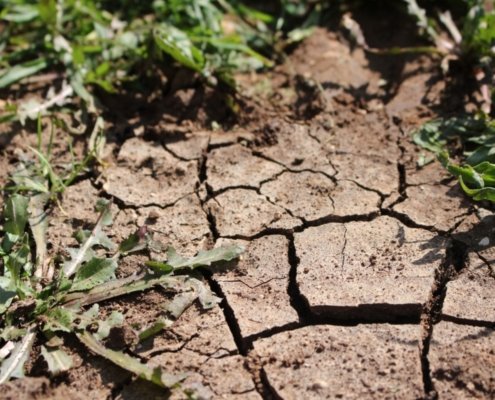 pxhere, CC0 Public Domain. Free for personal and commercial use. No attribution required
https://resoilfoundation.org/wp-content/uploads/2026/07/piante-soccita-1.jpg
972
1460
Matteo Cavallito
https://resoilfoundation.org/wp-content/uploads/2020/01/logo_resoilfoundation.png
Matteo Cavallito2026-07-17 11:00:412026-07-15 12:40:48The tiny “fingers” that help plants survive stress
 pxhere CC0 Public Domain Free for personal and commercial use No attribution required
https://resoilfoundation.org/wp-content/uploads/2026/07/terreni-contaminazione-1.jpg
964
1459
Matteo Cavallito
https://resoilfoundation.org/wp-content/uploads/2020/01/logo_resoilfoundation.png
Matteo Cavallito2026-07-13 11:00:582026-07-09 11:43:21Here are the viruses that help clean up contaminated soil
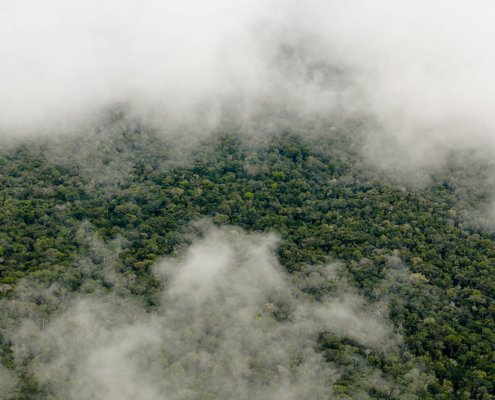 Photo: Neil Palmer/CIAT. Attribution-NonCommercial-NoDerivs 2.0 Generic (CC BY-NC-ND 2.0).
https://resoilfoundation.org/wp-content/uploads/2026/07/amazzonia-1.jpg
531
800
Matteo Cavallito
https://resoilfoundation.org/wp-content/uploads/2020/01/logo_resoilfoundation.png
Matteo Cavallito2026-07-10 11:00:002026-07-10 17:43:07When El Niño-related drought strikes, Amazon forest turns to chemical self-defense
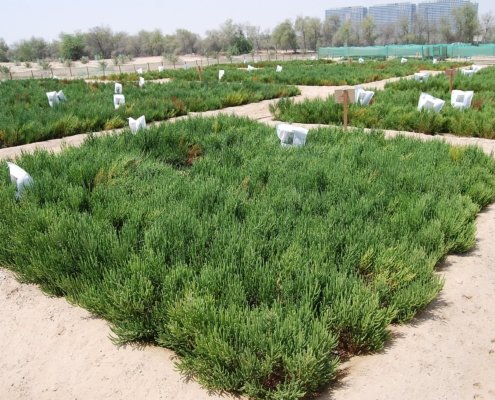 Photo: Charbel El Khouri - International Center for Biosaline Agriculture, CC BY-SA 4.0
https://resoilfoundation.org/wp-content/uploads/2026/07/terreno-sale-coltivazione-1.jpg
1285
1920
Matteo Cavallito
https://resoilfoundation.org/wp-content/uploads/2020/01/logo_resoilfoundation.png
Matteo Cavallito2026-07-06 11:00:152026-07-03 12:58:43Here is how soil bacteria can save crops from salinization