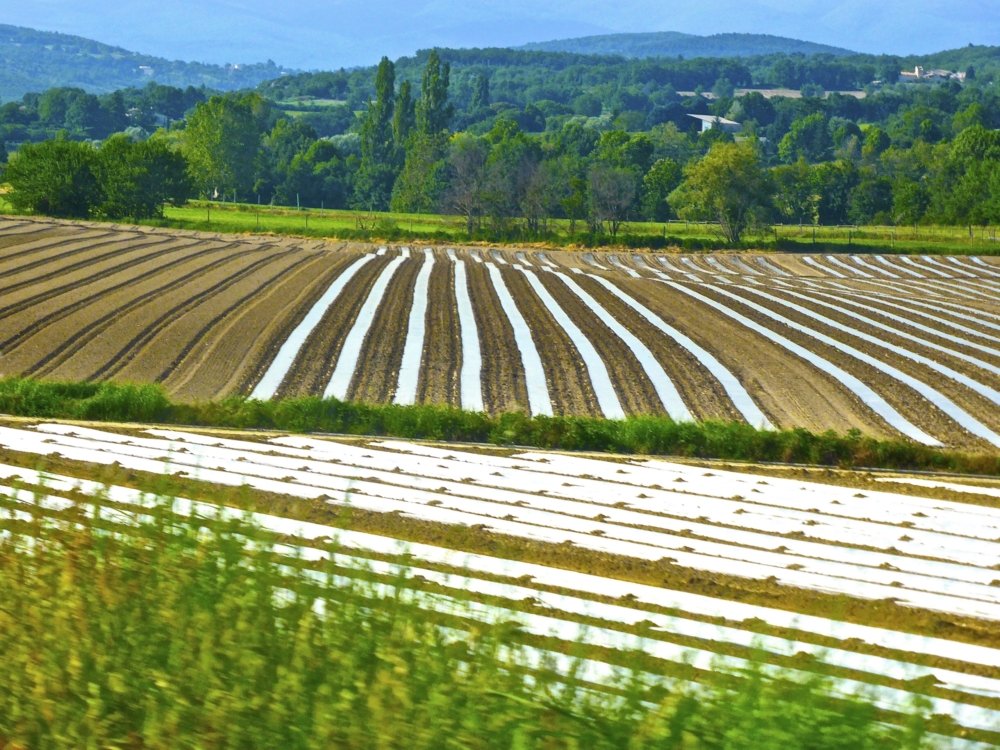
Cover crops and reduced tillage cut water demand in cotton fields
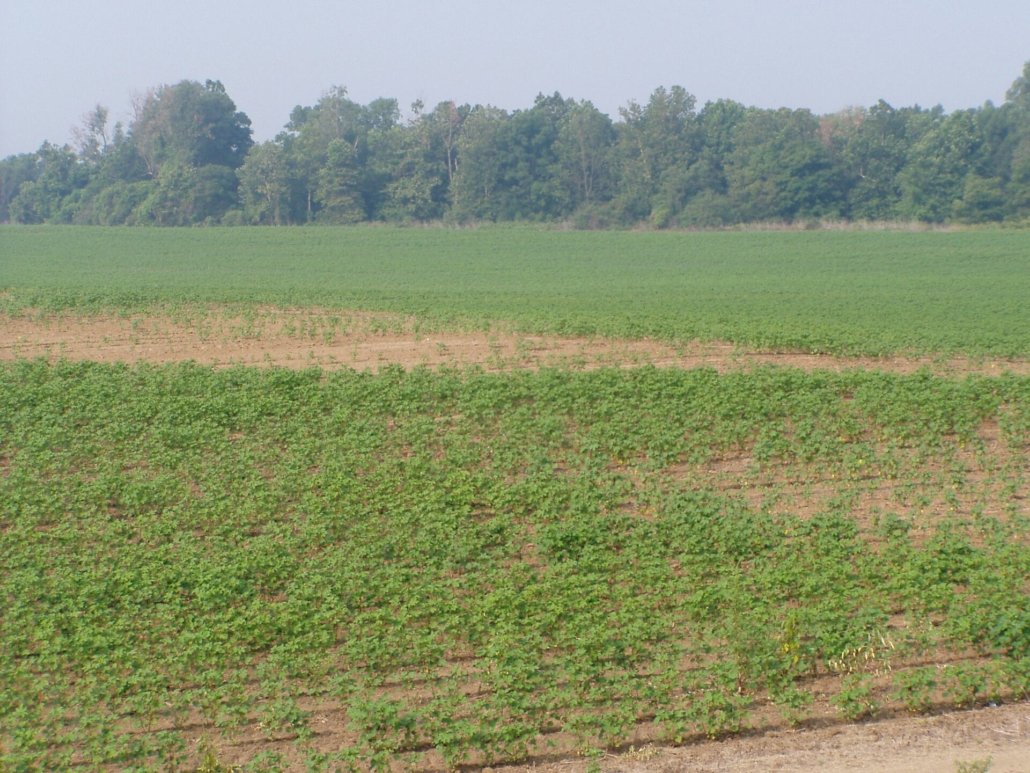 Chris Light, Attribution-ShareAlike 4.0 International (CC BY-SA 4.0)
A Mississippi State University study shows that cover crops and conservation tillage increase soil water retention, reducing and sometimes even eliminating the need for supplemental irrigation
by Matteo Cavallito
In recent years, growing pressure on water resources has prompted a rethink of farming practices around the world. Even regions traditionally known for abundant rainfall are facing the same challenge, as scientists continue to investigate how conservation agriculture practices can increase soil moisture retention, improve irrigation efficiency and, in some cases, eliminate the need for supplemental irrigation altogether.
Among the researchers working in this field are scientists at Mississippi State University, whose research program, spanning more than two decades, seeks to expand existing knowledge on the use of specific strategies such as cover crops and reduced tillage practices.
New water management strategies are needed
Despite its humid subtropical climate, the southeastern United States has long faced challenges related to declining water availability. “Aquifer resources in that region are declining, in part, due to irrigation water use in row crops. Irrigation is used to replenish soil moisture and can mask the ill-effects of poor water holding capacity or low infiltration rates”, explains the study published in the journal Agricultural Water Management. “This is especially true of the Delta region of Mississippi, USA where over 60 % of agricultural land is irrigated”.
While conventional tillage practices can contribute to these problems, the authors note that systems that disturb the soil less and rely on cover crops, by contrast, “improve rainfall infiltration and soil water availability throughout the season”.
The importance of this finding, already highlighted by previous research from Mississippi State University, led researchers to further investigate the combined role of different soil management techniques in cotton fields and determine which practices are most effective at improving the overall efficiency of cotton production systems.
A three-year study
The study was carried out between 2021 and 2023 at the Delta Research and Extension Center in Stoneville, Mississippi, using 21 experimental plots planted with cotton and arranged in a randomized block design. The researchers compared seven soil management systems involving different tillage practices—conventional tillage, strip-till, minimum tillage, and no seedbed tillage, a system similar to no-till in which the soil is not prepared before planting but undergoes minimal disturbance to enable irrigation. These systems were tested both with and without winter cover crops consisting of rye and hairy vetch. The researchers also installed soil moisture sensors in each plot to monitor soil moisture and water content at depths ranging from 15 to 90 cm, with automatic measurements taken every 30 minutes.
Irrigation was then triggered only when soil water potential reached a predefined threshold, allowing researchers to assess water-use efficiency. They also measured rainfall infiltration, soil infiltration rate, water consumption and cotton yield.
The collected data were then analyzed using statistical models to identify the farming practices that most effectively improved water conservation and productivity. At the same time, a second research project launched at the nearby Black Belt Branch, an experimental station located in Brooksville, Mississippi, extended these assessments to corn and soybeans, evaluating different soil types, row spacing, fertility management strategies and irrigation systems. The goal was to determine whether the benefits observed in cotton could be replicated in other cropping systems.
A transferable model that still needs refinement
The findings confirm that conservation practices offer a practical solution for improving water management. Cover crops, in particular, “improved rainfall capture by 13 % compared to no cover crop”, while plots managed with this technique required no supplemental irrigation in two of the three growing seasons. The authors also point out that “the combination of cover crops and subsoiling in either conservation system led to improvements in infiltration”. Overall, the study concludes, the data “suggest that conservation systems can lead to more resilience in relation to soil moisture, which will be critical as agricultural droughts and extreme precipitation in the Delta become more likely”.
The economic balance, however, remains an open question: the savings achieved through reduced irrigation still do not fully offset the associated yield penalties.
Further research will therefore be needed to improve the economic viability of these practices. Even so, the study provides valuable insights for designing more sustainable cropping systems and offers an approach that could potentially be applied in other agricultural regions facing increasing water scarcity.
 Photo: Thomas Bjørkan CC BY-SA 3.0
 Re Soil Foundation