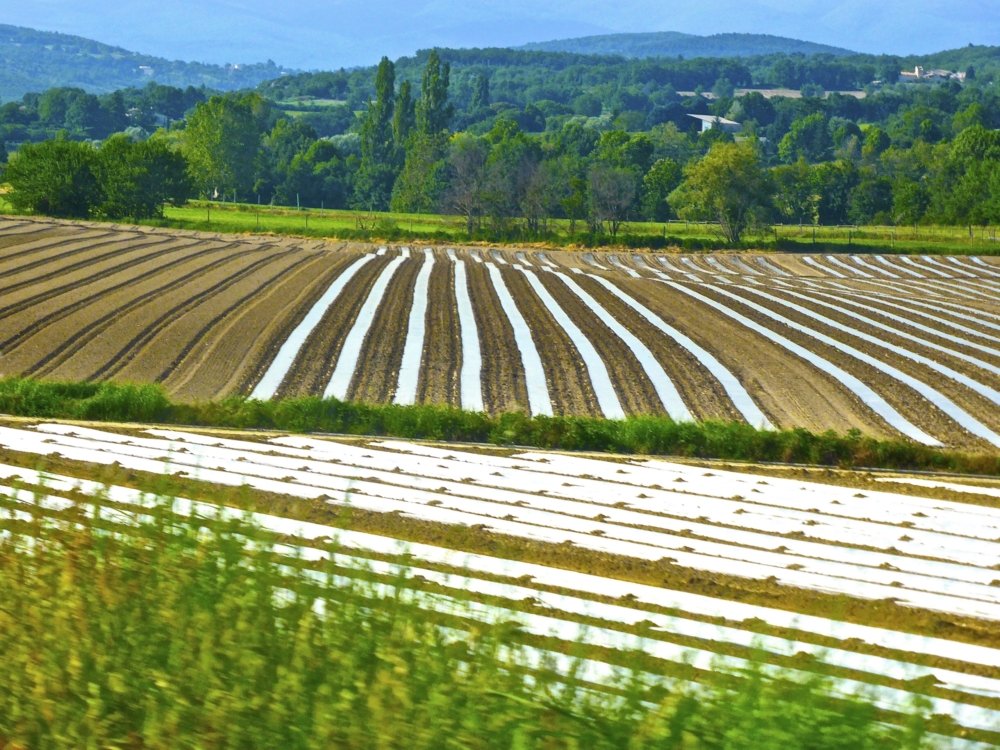
Resilient agriculture, a lesson from the Bronze Age
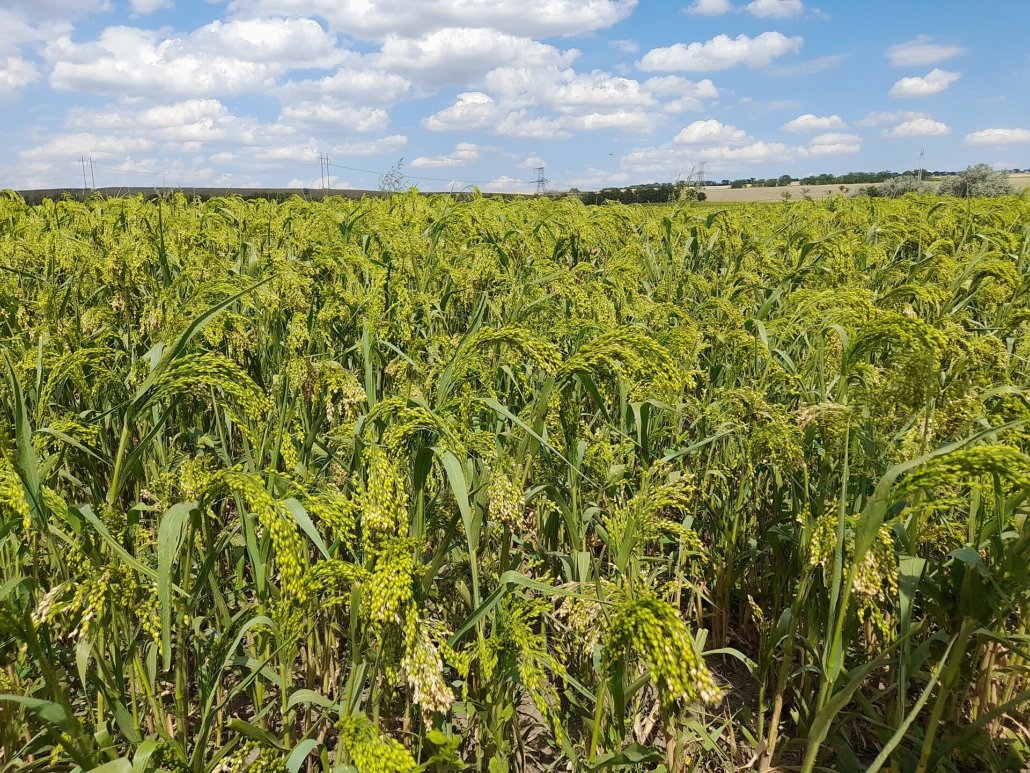 Yuriy Kvach/Wikimedia Commons – CC BY-SA 4.0
In the Bronze Age, millet helped agriculture cope with climatic and demographic pressures. A story of diversification that still resonates today
by Matteo Cavallito
In Bronze Age Europe, the introduction of common millet (Panicum miliaceum), a drought-resistant crop, helped transform not only people’s diets but also the way land was used. According to a recent study published in Science Advances, this crop became part of the diet of populations in south-eastern Poland at the beginning of the 16th century BCE. More than a hundred years earlier than previously estimated.
Its spread, however, does not appear to have been linked to the arrival of new populations. Instead, it was gradually adopted by local communities, which expanded cultivation into land less suitable for traditional cereals such as wheat and barley. The findings also offer valuable insights for the present, as we face climate change and the need to make food systems more resilient.
A society under mounting pressure
During the second millennium BCE, Europe experienced a period marked by climatic fluctuations, population growth and increased mobility. Feeding a growing population while adapting to changing environmental conditions therefore required new agricultural strategies. It was against this backdrop that this new summer crop appeared in Central Europe, having been domesticated in northern China around eight thousand years ago before spreading westwards through Central Asia.
With its short growing cycle, millet tolerates relatively dry conditions and can grow in soils poorly suited to other cereals. Despite these characteristics and its nutritional value, it is now barely cultivated in Europe.
The study, involving researchers from Lithuania, Poland, Belgium and the United Kingdom, focused on the remains of people who lived in what is now Poland between 2200 and 1000 BCE. It combined radiocarbon dating, archaeological, anthropological and genetic data, and palaeoproteomic sex determination. The researchers also conducted isotope analyses of carbon, nitrogen, oxygen and strontium. Carbon and nitrogen isotopes allowed them to reconstruct people’s diets. While oxygen and strontium provided information about where their food came from. “The gained insights into crop integration processes”, the authors stressed, “can help in discussing coping strategies for present-day challenges”.
New opportunities for agriculture
The analyses dated the earliest traces of millet consumption to around 1588 BCE. This pushes its presence in the Central European diet back by more than a century. Initially consumed on a limited scale, the cereal appears to have become an important food by around 1400 BCE. The examination of tissues formed at different stages of life showed that many early consumers had grown up on diets based on traditional cereals and introduced millet only in adulthood. Nor do the genetic, archaeological and isotopic data support the hypothesis of a single migration by populations already accustomed to eating millet.
Instead, the evidence points to “a progressive introduction of millet, after which the adoption of this crop as staple can be associated with an important change in subsistence strategies involving new land-use opportunities”.
In other words, millet’s characteristics opened up possibilities that wheat and barley could not offer. It allowed communities to cultivate previously underused soils and expand farming into a wider range of environments. “Because millets are more resistant to salinity, poor soils, and/or dry conditions than C3 crops (including traditional cereals such as wheat and barley, ed.), they could be grown in places unsuitable for a C3-based agriculture”, the researchers emphasised.
An ancient strategy with lessons for the present
The innovation therefore involved more than simply replacing one cereal with another. In fact, it diversified the production system and reorganised land use. “In response to increasing food demand and potential changes in climatic conditions, Bronze Age societies adopted a new resilient staple crop to optimise the use of previously marginal parts of their environment and improve food security”, said Margaux Depaermentier, a researcher at Vilnius University and lead author of the study.
This experience offers an important lesson. The case examined suggests that an agricultural system’s ability to adapt may also depend on crop diversity and on matching different plants with the environments best suited to them. What happened 3,600 years ago therefore highlights the considerable value of agricultural diversification, which can improve the use of available resources while strengthening resilience to changing climatic and demographic conditions. That principle remains just as relevant today.
 Re Soil Foundation