Dialogue with microorganisms reshapes roots and helps plants
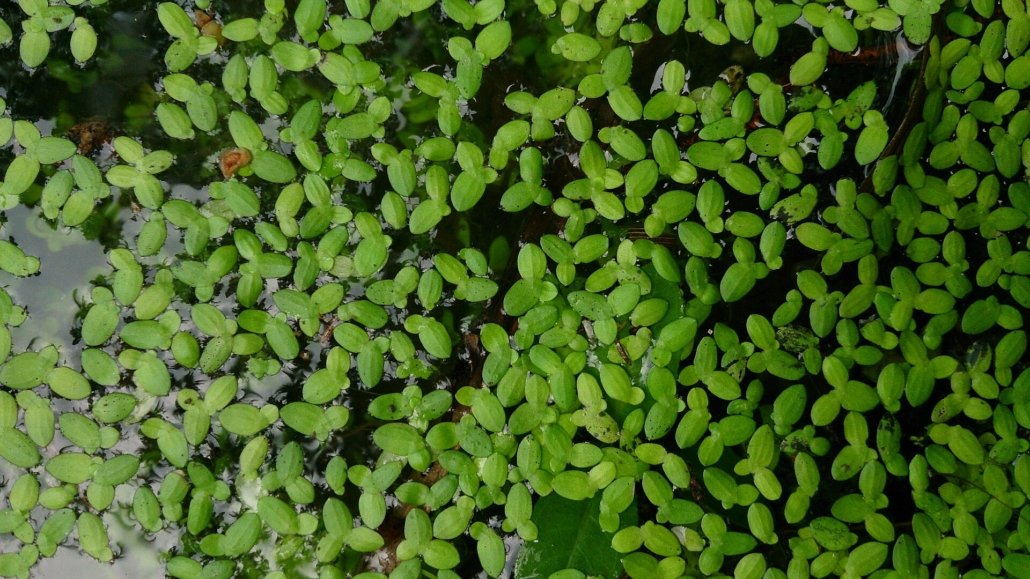 Mokkie/Wikimedia Commons – CC BY-SA 3.0
The University of Nottingham study: microbial colonisation can reshape roots and help plants cope with nutrient scarcity. A discovery that opens up new prospects for agriculture
by Matteo Cavallito
The root is not a passive structure but a dynamic environment, capable of changing its anatomy and metabolism in response to the microorganisms that colonise it. Understanding this mechanism could eventually make it possible to promote beneficial microbial communities and make crops more resilient to nutrient scarcity and environmental stress. This possibility emerges from a University of Nottingham study published in Nature Communications.
“Plant roots constantly communicate with their microbiota, adapting their anatomy to facilitate microbial colonisation under abiotic stresses”, the authors note. In other words, root structure does not simply determine the space available to microorganisms: it can itself be reshaped once they become established, strengthening the plant’s ability to cope with challenging conditions.
Roots and microorganisms: a continuous dialogue
Roots host diverse communities of microorganisms that are metabolically active. Their establishment depends on interactions between the plant, individual members of the microbiota and the environment. It was already known that the composition of microbial communities is influenced by features such as root surface area, diameter, root hairs and branching, while microorganisms can, in turn, modify root architecture and cellular anatomy.
What remained less clear, however, was the mechanism through which factors such as the anatomy and metabolism of root microhabitats regulate this exchange.
To investigate this mechanism, the researchers used Lemnaceae, commonly known as duckweeds, as a model system: plants with simple roots but different levels of anatomical complexity. The study examined a collection comprising 12 species and six accessions, that is, genetically distinct samples of some of these species. The analysis also included Pistia stratiotes, another aquatic plant in the Araceae family, which has a more complex, branched root system.
Complexity promotes plasticity
The plants were grown both in water containing the microbiota and in the same water after sterilisation. Microbial colonisation primarily induced the remodelling of the more complex roots, improving plant survival under nutrient-limited conditions. “We revealed that root anatomical plasticity can be influenced by the microbiota under nutrient-limited conditions, promoting plant survival”, the researchers state. To determine which effects depended on the root’s physical structure and which were caused by substances produced by the plant, the authors used a defined synthetic community of 190 bacterial strains and synthetic root-like structures.
These models had different levels of complexity but lacked metabolism and a plant immune system. This allowed the researchers to isolate the effect of physical structure while keeping all other conditions unchanged.
The researchers thus observed that “changes in root anatomy alone were sufficient to significantly alter microbial assembly”. The study also identified a metabolite involved in the process: N6,N6,N6-trimethyl-L-lysine, an amino acid derived from the methylation of lysine. This compound can modulate the microbial community and root plasticity—that is, the ability of roots to alter their anatomy. Its effect, however, depends on its concentration: the highest doses reduced both root remodelling and plant survival.
New opportunities in agriculture
“Our findings highlight the importance of both root anatomical and metabolic complexity in shaping plant–microbiome interactions, particularly under environmental stress”, explained Gabriel Castrillo, Professor in the University of Nottingham’s School of Biosciences and co-author of the study. According to the authors, these findings suggest that approaches such as plant breeding, genetic engineering and synthetic biology could eventually be used to regulate the production or release of metabolites used by microorganisms as carbon sources, promoting the recruitment and localisation of beneficial communities.
The experiments involved aquatic plants, not agricultural crops. Nevertheless, the findings point to a possible way of developing agricultural strategies that harness the dialogue between plants and microorganisms. “Although a deeper understanding of the genetic components underlying the mechanism described here is required before its application, we envision that this knowledge could contribute to optimising root microbial function to enhance root plasticity and plant stress tolerance”, the authors conclude.

 Quintin Soloviev, CC BY 4.0