Posts
 Philip Halling CC BY-SA 2.0 DEED Attribution-ShareAlike 2.0 Generic
https://resoilfoundation.org/wp-content/uploads/2024/03/suolo-piante-1.jpg
684
1024
Emanuele Isonio
https://resoilfoundation.org/wp-content/uploads/2020/01/logo_resoilfoundation.png
Emanuele Isonio2026-07-15 11:00:552026-07-09 15:22:59Why restoring soil health is a win-win for farmers and the environment
 pxhere CC0 Public Domain Free for personal and commercial use No attribution required
https://resoilfoundation.org/wp-content/uploads/2026/07/terreni-contaminazione-1.jpg
964
1459
Matteo Cavallito
https://resoilfoundation.org/wp-content/uploads/2020/01/logo_resoilfoundation.png
Matteo Cavallito2026-07-13 11:00:582026-07-09 11:43:21Here are the viruses that help clean up contaminated soil
 Photo: Neil Palmer/CIAT. Attribution-NonCommercial-NoDerivs 2.0 Generic (CC BY-NC-ND 2.0).
https://resoilfoundation.org/wp-content/uploads/2026/07/amazzonia-1.jpg
531
800
Matteo Cavallito
https://resoilfoundation.org/wp-content/uploads/2020/01/logo_resoilfoundation.png
Matteo Cavallito2026-07-10 11:00:002026-07-10 17:43:07When El Niño-related drought strikes, Amazon forest turns to chemical self-defense
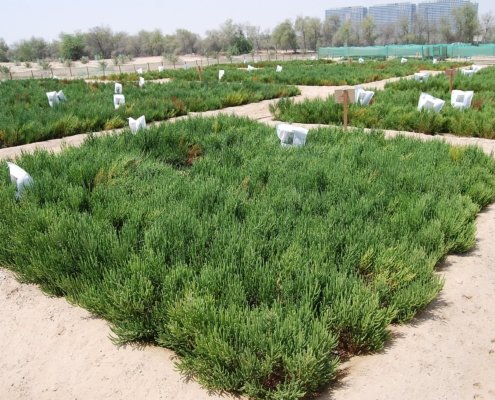 Photo: Charbel El Khouri - International Center for Biosaline Agriculture, CC BY-SA 4.0
https://resoilfoundation.org/wp-content/uploads/2026/07/terreno-sale-coltivazione-1.jpg
1285
1920
Matteo Cavallito
https://resoilfoundation.org/wp-content/uploads/2020/01/logo_resoilfoundation.png
Matteo Cavallito2026-07-06 11:00:152026-07-03 12:58:43Here is how soil bacteria can save crops from salinization
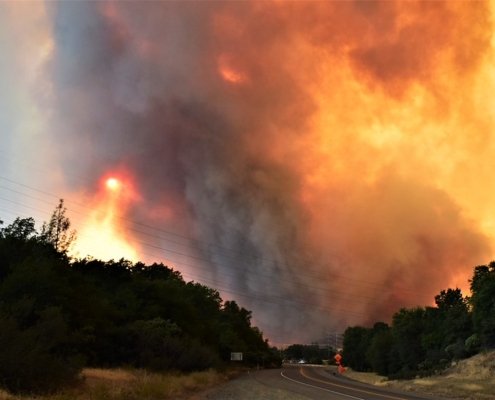 Eric Coulter, Public Domain Mark 1.0 Universal
https://resoilfoundation.org/wp-content/uploads/2026/07/incendi-california-1.jpg
533
799
Matteo Cavallito
https://resoilfoundation.org/wp-content/uploads/2020/01/logo_resoilfoundation.png
Matteo Cavallito2026-07-03 11:00:402026-07-02 17:54:28In California, the most devastating wildfires are the new normal
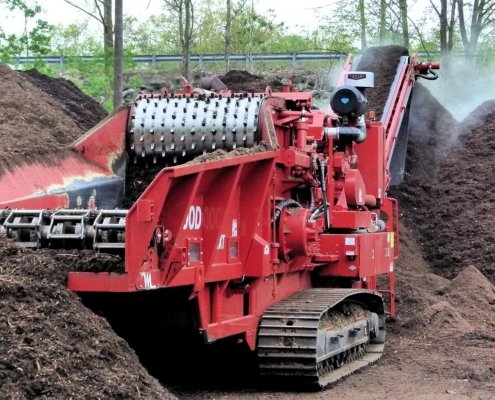 https://resoilfoundation.org/wp-content/uploads/2026/07/perkons-compost-grinder-3389088_1280.jpg
825
1280
Emanuele Isonio
https://resoilfoundation.org/wp-content/uploads/2020/01/logo_resoilfoundation.png
Emanuele Isonio2026-07-01 11:58:572026-10-05 17:58:33Compostable bioplastic residues do not accumulate in soil
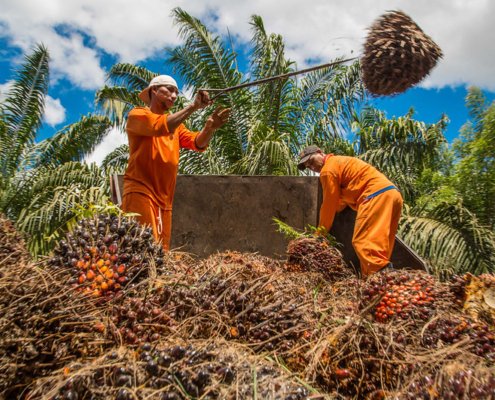 Miguel Pinheiro/CIFOR Attribution-NonCommercial-NoDerivs 2.0 Generic CC BY-NC-ND 2.0 Deed
https://resoilfoundation.org/wp-content/uploads/2026/06/olio-di-palma-Brasile-1.jpg
533
799
Matteo Cavallito
https://resoilfoundation.org/wp-content/uploads/2020/01/logo_resoilfoundation.png
Matteo Cavallito2026-06-26 11:00:522026-06-25 11:19:37Palm, coconut and soybean oil account for 1.5 per cent of global biodiversity loss
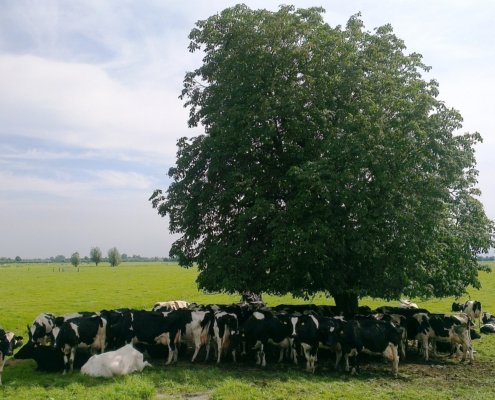 Onderwijsgek Attribution-ShareAlike 3.0 Unported CC BY-SA 3.0 Deed
https://resoilfoundation.org/wp-content/uploads/2026/06/pascolo-1.jpg
1328
1920
Matteo Cavallito
https://resoilfoundation.org/wp-content/uploads/2020/01/logo_resoilfoundation.png
Matteo Cavallito2026-06-22 11:00:092026-06-17 17:09:38Planting trees in pastures increases biodiversity by 44 per cent
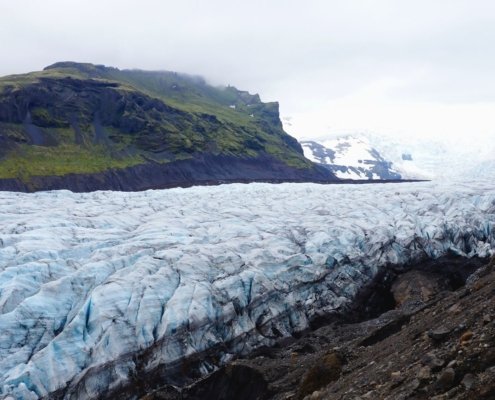 PIXNIO public domain Creative Commons Zero CC0 free to use
https://resoilfoundation.org/wp-content/uploads/2026/06/2017-05-31-22-43-59-1-1536x864-2.jpg
864
1536
Matteo Cavallito
https://resoilfoundation.org/wp-content/uploads/2020/01/logo_resoilfoundation.png
Matteo Cavallito2026-06-17 11:00:082026-06-17 21:35:48Ice comes alive: a new challenge for climate models
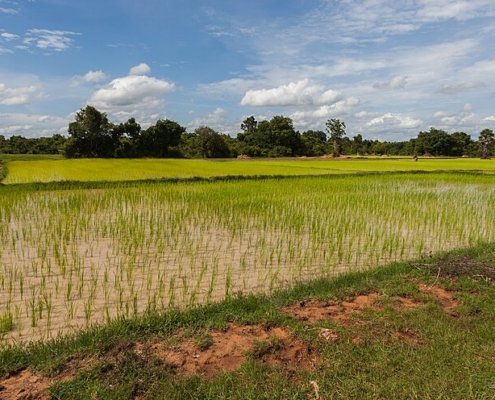 Diego Delso Attribution-ShareAlike 4.0 International CC BY-SA 4.0 Deed
https://resoilfoundation.org/wp-content/uploads/2026/06/riso-1.jpg
496
960
Matteo Cavallito
https://resoilfoundation.org/wp-content/uploads/2020/01/logo_resoilfoundation.png
Matteo Cavallito2026-06-12 11:00:382026-06-11 11:02:17Beyond yields: how drought undermines the nutritional quality of crops