Palm, coconut and soybean oil account for 1.5 per cent of global biodiversity loss
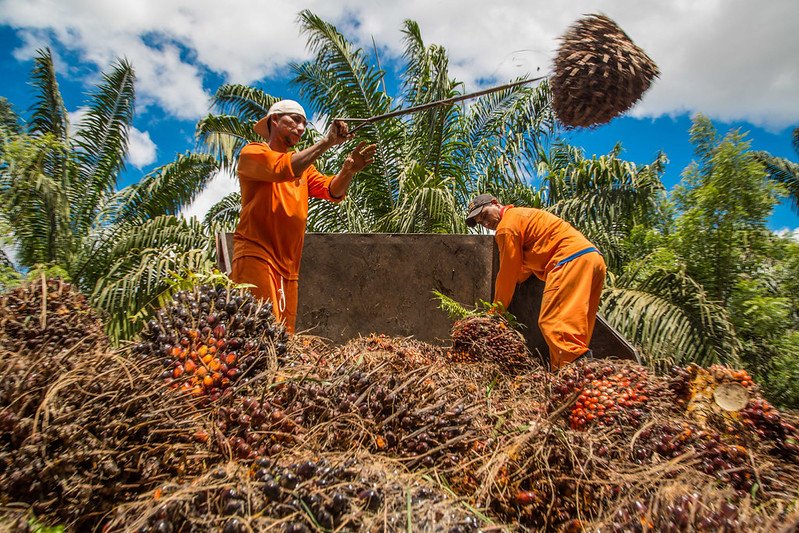 Miguel Pinheiro/CIFOR Attribution-NonCommercial-NoDerivs 2.0 Generic CC BY-NC-ND 2.0 Deed
 A new study reveals that these three oil crops alone are responsible for around 75% of the biodiversity loss linked to agricultural expansion. A consequence of growing demand for many everyday products
by Matteo Cavallito
Three oil crops — oil palm, coconut and soybean — are accelerating the disappearance of animal and plant species to a significant extent and are ultimately contributing more than any other agricultural production to the worsening of this phenomenon. This is the conclusion of a new study conducted by an international team, which attributes a potential loss of 1.5% of global biodiversity to the cultivation of these commodities.
According to the authors, this phenomenon is the direct result of the expansion of cultivated land in response to rising demand for everyday products such as margarine, snacks, cosmetics and animal feed. This trend, in turn, is putting increasing pressure on natural habitats.
A global phenomenon that remains poorly quantified
The investigation stems from the need to better understand a phenomenon that has so far received limited attention. To date, experts have focused mainly on individual cases of deforestation or the conversion of natural habitats into agricultural land, without producing a comprehensive assessment of the impacts across the supply chain. “Oil crop expansion threatens global biodiversity, yet its supply chain impacts remain poorly quantified”, the study published in Nature Food states.
To fill this gap, the authors analyzed “biodiversity impacts along oil crop supply chains from 1995 to 2020 using spatially explicit assessments, a hybridized multi-regional input–output framework, enhanced supply chain mapping and structural decomposition analysis”. This approach made it possible to trace the path of raw materials from producing countries to destination markets, identifying not only where biodiversity damage occurs but also which consumption patterns drive it.
Four-fifths of the impact occurs in the tropics
During the study, the team of researchers from the Swiss Federal Institute of Technology Zurich and the universities of Munich and Vienna made a surprising discovery. “By 2020”, the paper notes, “oil crop cultivation caused the potential long-term loss of 1.5% of global species (plants and terrestrial vertebrates), with oil palm, coconuts and soybeans responsible for three-quarters of this effect”.
The research also highlights a strong geographical concentration of damage in tropical regions, which, despite accounting for “just under half of harvested area, bear almost four-fifths of impacts“.
Another key finding concerns the role of international trade: “More than half of this loss was outsourced through international trade, as major importers displace biodiversity burdens to tropical regions”, the study further observes, identifying the European Union, China and the United States as the main actors in this process. Finally, the researchers point to a long-term trend: between 1995 and 2020, “biodiversity impacts increased by four-fifths, statistically attributed primarily to rising per capita consumption”.
Biodiversity loss is as urgent a crisis as climate change
The study provides a further contribution to the debate on the major global environmental crises, whose impact is often underestimated when compared with climate-related concerns. “From the perspective of environmental protection, biodiversity loss is as big a problem as climate change”, emphasizes Stephan Pfister, Professor of Quantitative Sustainability Assessment at ETH Zurich, in a statement. However, the study does not merely document the problem.
The authors also suggest several ways forward, highlighting the need to address both production and consumption simultaneously and to improve the sustainability of agricultural supply chains while reducing pressure on the most fragile ecosystems.
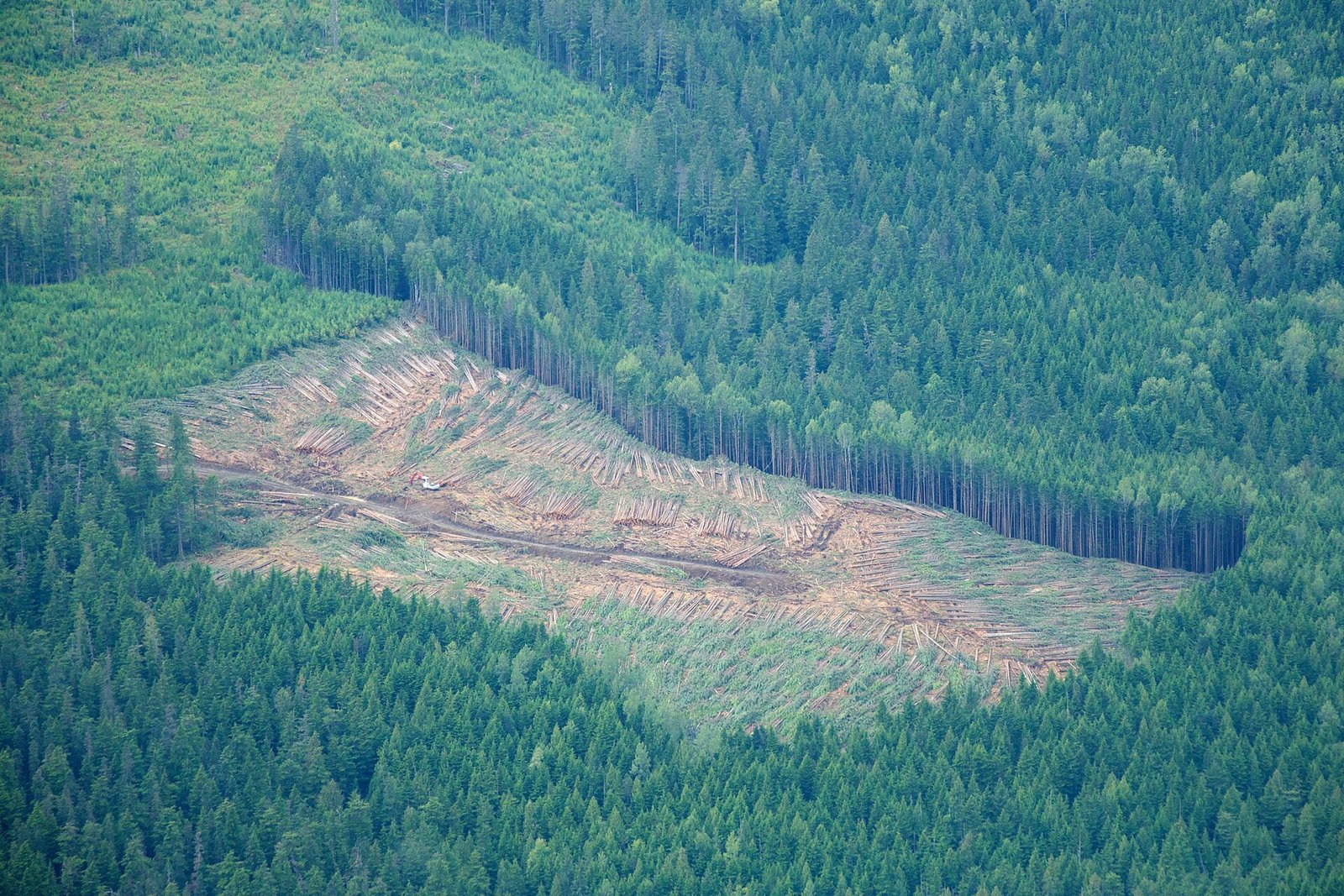
Among the measures proposed are limiting deforestation, protecting natural habitats, adopting more efficient and less environmentally damaging agricultural practices, and increasing investment in producing countries to support development models compatible with biodiversity conservation. International markets and consumers also have an important role to play in promoting more transparent and responsible supply chains.
 Sam Beebe, CC BY 2.0
 Photo: Thomas Bjørkan CC BY-SA 3.0
 Re Soil Foundation