Beyond yields: how drought undermines the nutritional quality of crops
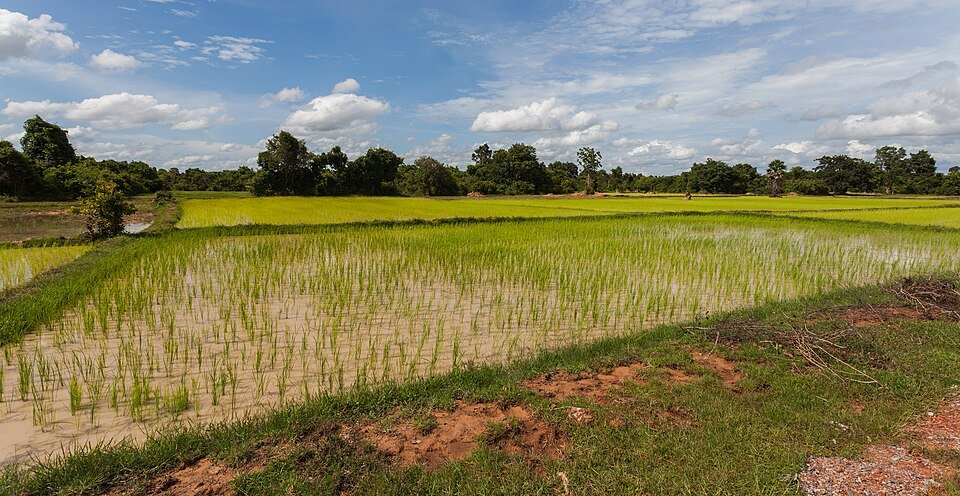 Diego Delso Attribution-ShareAlike 4.0 International CC BY-SA 4.0 Deed
 A Canadian study shows that canola, rice and tomatoes reduce iron uptake during drought, leading to a decline in crop nutrient content and potentially affecting global food security
by Matteo Cavallito
Drought does not only reduce crop yields; it may also affect their nutritional quality. This is the conclusion of a study conducted by a team of scientists at the University of Calgary and published in the journal Cell. The researchers found that several plant species actively reduce their ability to absorb iron when subjected to water stress. The finding raises important questions. As the authors point out, iron is an essential nutrient for both plant growth and human nutrition, and reduced availability could have implications for global food security.
Plants and microorganisms
The aim of the study was to better understand why certain groups of bacteria tend to accumulate in plant roots during drought conditions. In recent years, several studies had suggested that this phenomenon might represent a defence strategy based on beneficial microorganisms capable of supporting plants under challenging environmental conditions. However, significant uncertainties remain.
“Drought reshapes the plant root microbiota”. spiega infatti lo studio. “Yet the mechanistic drivers and consequences of this observation remain unclear”.
The researchers therefore decided to investigate further by examining a particular group of bacteria that are typically present during drought events: Streptomyces. To do so, they initially focused on a model species, thale cress (Arabidopsis thaliana), exposing it to different conditions of water and iron availability. The findings were then verified in crops of greater agronomic importance, including rice, tomatoes and canola. The results proved particularly interesting.
Reduced iron uptake is a widespread phenomenon
The experiments showed that drought triggers a simultaneous reduction in immune defences and in the iron uptake systems located in plant roots. “We discovered that suppression of host immunity and iron homeostasis is required for Streptomyces enrichment in roots during drought across diverse soils”, the authors explain, noting that this causal relationship was later confirmed through genetic and physiological manipulations.
The most interesting aspect, however, is another one: the reduction in iron uptake is not limited to a single species but rather represents a widespread response that has been conserved throughout evolution.
This mechanism is in fact present in both monocots and dicots, two major groups of plants that diverged around 160 million years ago. The study also showed that not all Streptomyces behave in the same way. Some strains, for example, “enhanced plant growth and rescued iron uptake under drought”, the authors explain. These positive effects were not simply due to a greater abundance of bacteria in the roots but were instead driven “by intra-Streptomyces antagonism”, suggesting that interactions among different bacterial strains play a crucial role.
A significant discovery for an increasingly drought-prone world
In short, the study showed that drought first alters the functioning of plant roots, favouring the presence of Streptomyces. The actual effects on the plant, however, are determined by the subsequent internal dynamics within the bacterial community. This conclusion challenges the traditional hypothesis that the increased presence of these microorganisms simply represents a direct response to a plant “call for help”.
The discovery is particularly relevant in a context marked by growing water scarcity worldwide. The issue will once again be at the centre of the upcoming World Day to Combat Desertification and Drought, scheduled for June 17.
“Iron deficiency is already one of the most widespread nutritional disorders in the world, affecting billions of people”, explained Connor Fitzpatrick, a professor at the University of Calgary and lead author of the study, noting that “Much of the iron in human diets comes from plants such as cereals and legumes”. At the same time, he added, “drought is increasing in frequency and severity across many agricultural regions due to climate change”. This highlights the need to develop new strategies, including microbiological soil treatments, the selection of particularly effective bacterial strains and the creation of new crop varieties capable of maintaining iron uptake even under water-stress conditions. The ultimate goal is to make agriculture more resilient and strengthen global food security.
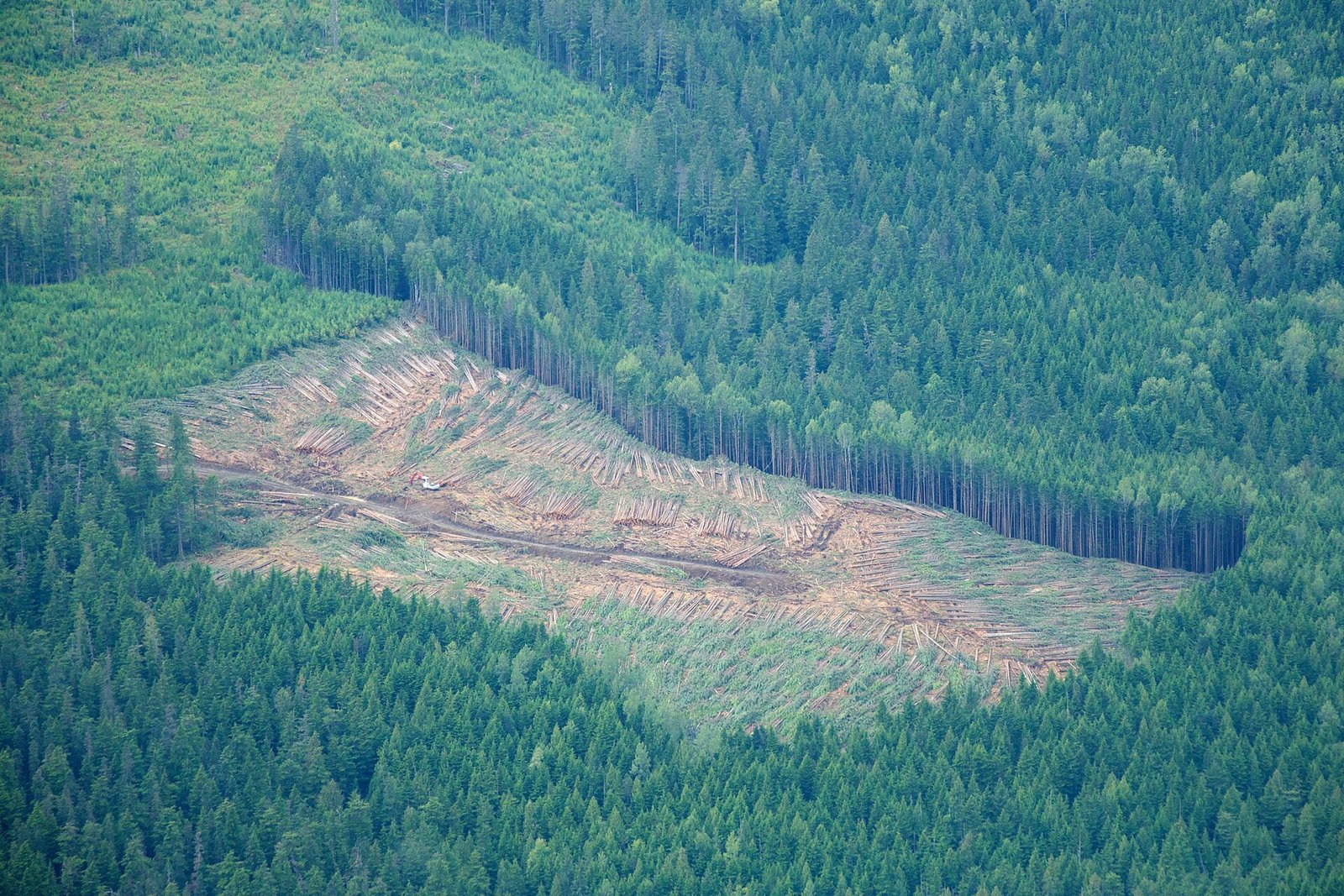 Sam Beebe, CC BY 2.0
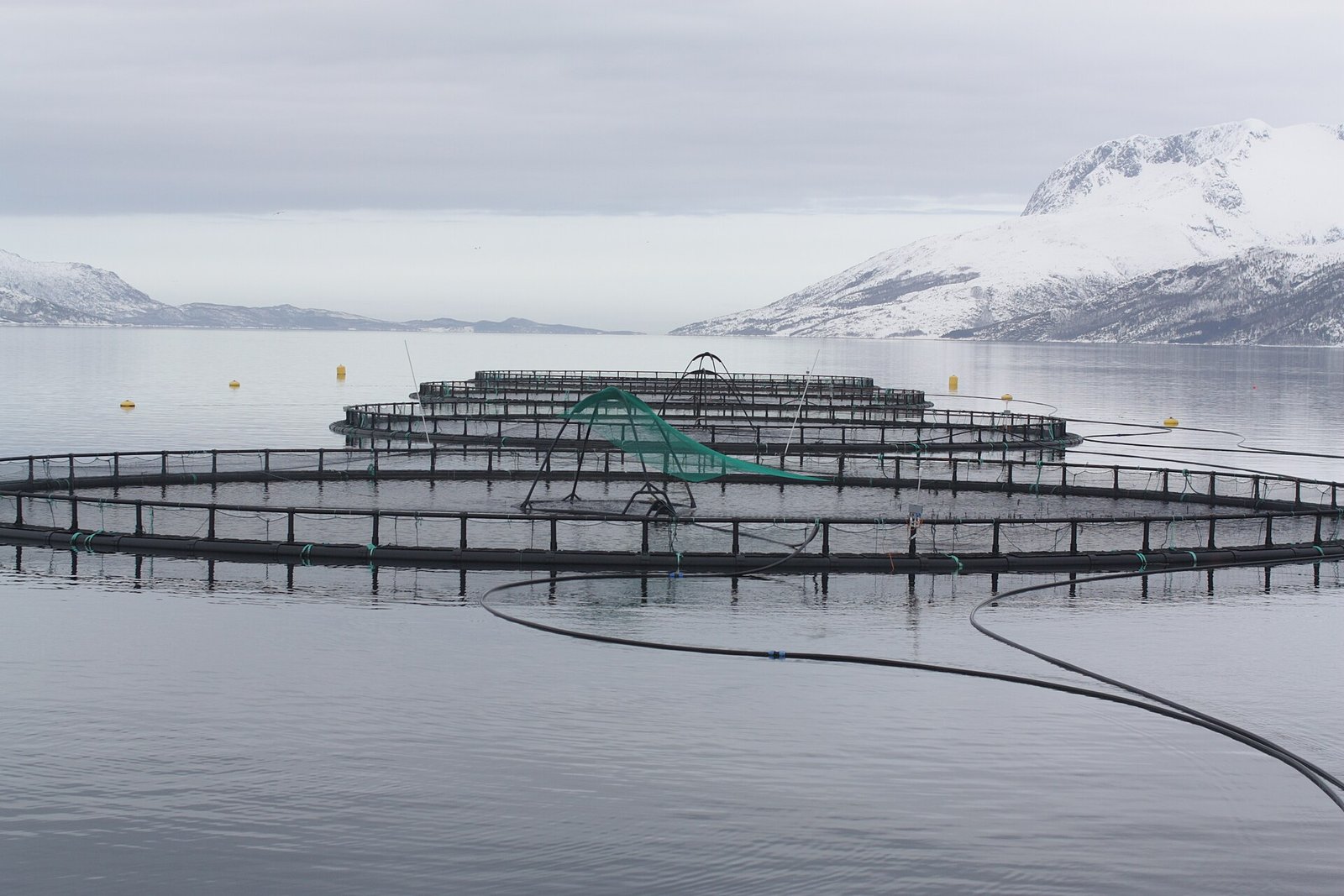 Photo: Thomas Bjørkan CC BY-SA 3.0
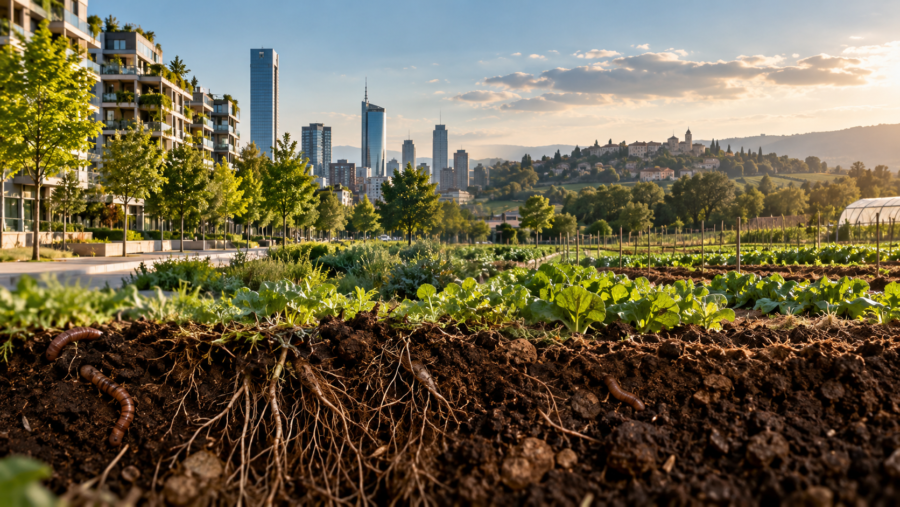 Re Soil Foundation