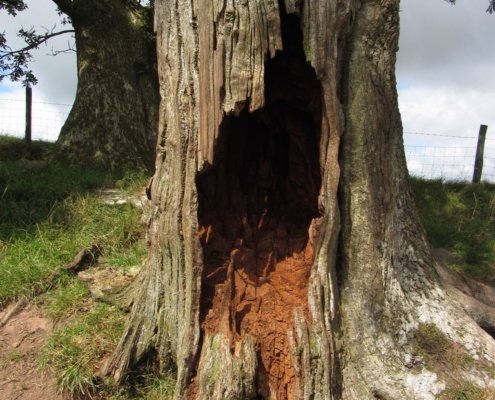
 Gareth James CC BY-SA 2.0 Attribution-ShareAlike 2.0 Generic
https://resoilfoundation.org/wp-content/uploads/2026/09/cavita-albero-1.jpg
737
768
Matteo Cavallito
https://resoilfoundation.org/wp-content/uploads/2020/01/logo_resoilfoundation.png
Matteo Cavallito2026-09-25 11:00:212026-09-24 17:12:29Tree cavities protect animals from extreme temperatures
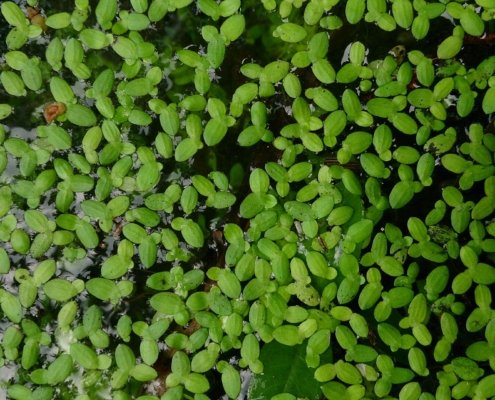 Mokkie/Wikimedia Commons – CC BY-SA 3.0
https://resoilfoundation.org/wp-content/uploads/2026/09/pianta-radici-1.jpg
1080
1920
Matteo Cavallito
https://resoilfoundation.org/wp-content/uploads/2020/01/logo_resoilfoundation.png
Matteo Cavallito2026-09-21 11:00:342026-09-17 19:28:25Dialogue with microorganisms reshapes roots and helps plants
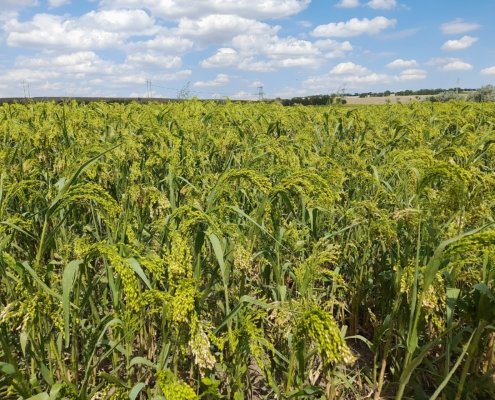 Yuriy Kvach/Wikimedia Commons – CC BY-SA 4.0
https://resoilfoundation.org/wp-content/uploads/2026/09/Field_in_Ivanivka_hromada-1.jpg
1440
1920
Matteo Cavallito
https://resoilfoundation.org/wp-content/uploads/2020/01/logo_resoilfoundation.png
Matteo Cavallito2026-09-18 11:00:072026-09-16 19:12:42Resilient agriculture, a lesson from the Bronze Age
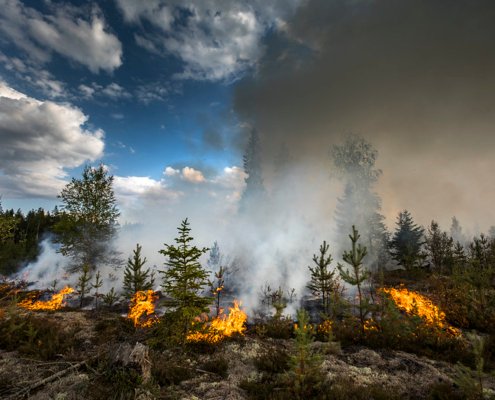 © European Union 2018 (photo by Pavel Koubek), CC BY-NC-ND 2.0
https://resoilfoundation.org/wp-content/uploads/2026/09/foreste-fire-1.jpg
533
799
Matteo Cavallito
https://resoilfoundation.org/wp-content/uploads/2020/01/logo_resoilfoundation.png
Matteo Cavallito2026-09-14 11:00:392026-09-11 17:12:14Europe’s forests: why we need to measure their resilience
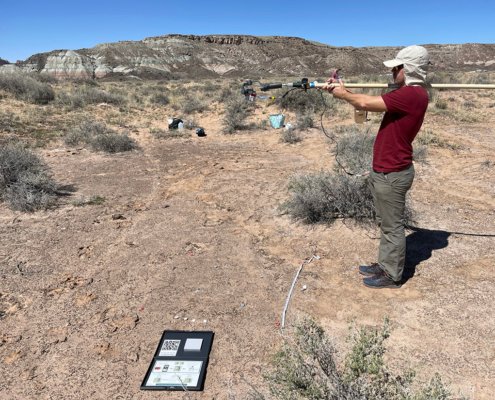 Penn State. Attribution-NonCommercial-NoDerivatives 4.0 International, CC BY-NC-ND 4.0 Deed.
https://resoilfoundation.org/wp-content/uploads/2026/09/biocroste-1.jpg
825
1100
Matteo Cavallito
https://resoilfoundation.org/wp-content/uploads/2020/01/logo_resoilfoundation.png
Matteo Cavallito2026-09-11 11:00:332026-09-10 18:33:10AI uses a pigment to reveal the condition of biocrusts
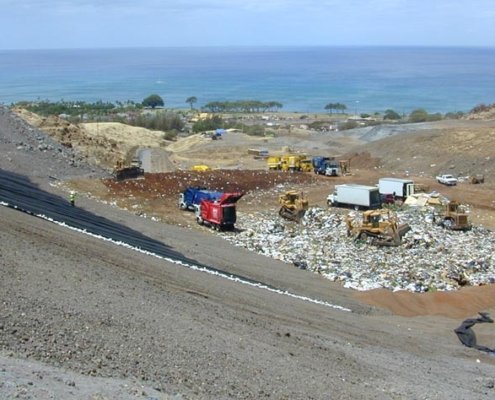 Eric Guinther, CC BY-SA 3.0
https://resoilfoundation.org/wp-content/uploads/2026/09/Landfill_Hawaii-1.jpg
474
797
Matteo Cavallito
https://resoilfoundation.org/wp-content/uploads/2020/01/logo_resoilfoundation.png
Matteo Cavallito2026-09-07 11:00:382026-09-01 15:46:19Landfill methane emissions could be far higher than estimated
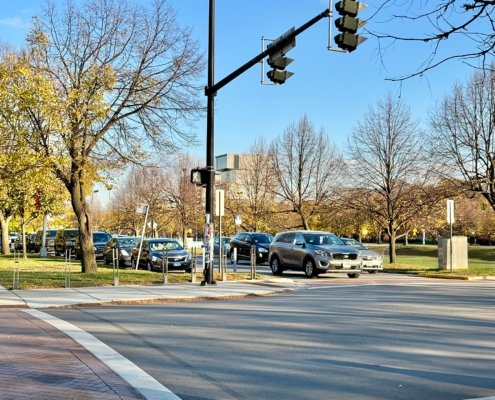 Warren LeMay CC BY-SA 2.0
https://resoilfoundation.org/wp-content/uploads/2026/09/alberi-chicago.jpg
1440
1920
Matteo Cavallito
https://resoilfoundation.org/wp-content/uploads/2020/01/logo_resoilfoundation.png
Matteo Cavallito2026-09-04 11:00:032026-09-01 10:36:21Crucial trees: urban canopy loss drives up mortality rates
 Tom Jarrett, Attribution-NonCommercial-ShareAlike 2.0 Generic (CC BY-NC-SA 2.0) Deed
https://resoilfoundation.org/wp-content/uploads/2026/08/yangtze-1.jpg
600
800
Matteo Cavallito
https://resoilfoundation.org/wp-content/uploads/2020/01/logo_resoilfoundation.png
Matteo Cavallito2026-08-31 11:00:382026-08-12 12:45:52Heat and drought: natural forests resist better, planted forests recover faster
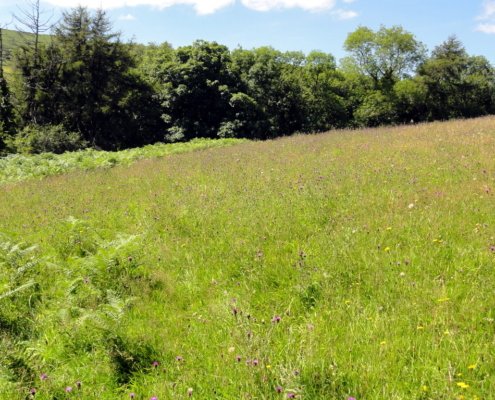 Steve Daniels Attribution-ShareAlike 2.0 Generic CC BY-SA 2.0 Deed
https://resoilfoundation.org/wp-content/uploads/2026/08/prateria-naturale.jpg
768
1024
Matteo Cavallito
https://resoilfoundation.org/wp-content/uploads/2020/01/logo_resoilfoundation.png
Matteo Cavallito2026-08-26 11:00:412026-08-12 12:47:10Extreme drought: biodiversity helps grasslands, but not forests
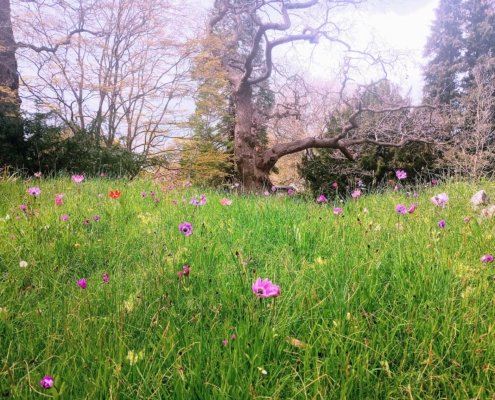 Nathanieljoyce, Creative Commons Attribution-ShareAlike 4.0 (CC BY-SA 4.0)
https://resoilfoundation.org/wp-content/uploads/2026/08/prato-agriwild.jpg
1446
1920
Matteo Cavallito
https://resoilfoundation.org/wp-content/uploads/2020/01/logo_resoilfoundation.png
Matteo Cavallito2026-08-24 11:00:472026-08-12 12:46:45Insects, food production and biodiversity thrive together through agriwilding