Posts
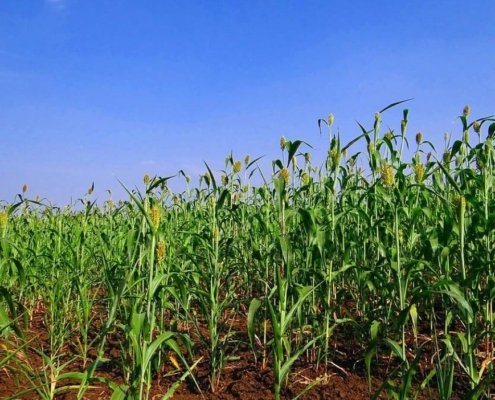 Pixabay Creative Commons CC0 1.0 Universal Public Domain Dedication license
https://resoilfoundation.org/wp-content/uploads/2026/01/piante-cereali-1.jpg
702
1063
Matteo Cavallito
https://resoilfoundation.org/wp-content/uploads/2020/01/logo_resoilfoundation.png
Matteo Cavallito2026-01-19 11:00:292026-01-19 13:13:00Researchers have turned cereal plants into pollution sensors
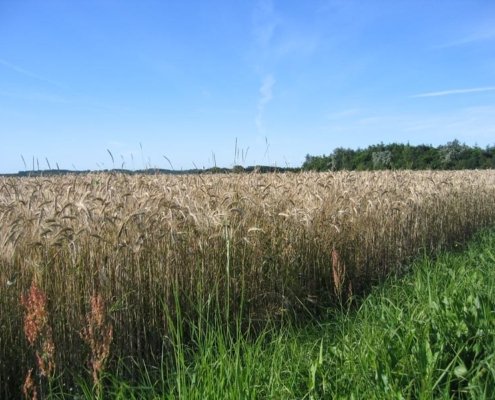 Jane Tierney Attribution 2.0 Generic CC BY 2.0 Deed
https://resoilfoundation.org/wp-content/uploads/2026/01/agricoltura-danimarca-1.jpg
600
800
Matteo Cavallito
https://resoilfoundation.org/wp-content/uploads/2020/01/logo_resoilfoundation.png
Matteo Cavallito2026-01-12 11:00:302026-01-16 14:06:13Denmark has mapped national soil microbiome
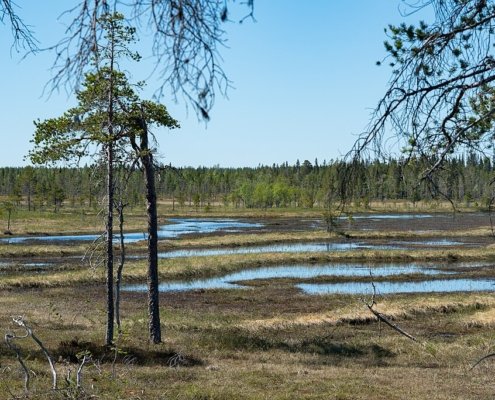 SiberianJay Attribution-ShareAlike 4.0 International CC BY-SA 4.0 Deed
https://resoilfoundation.org/wp-content/uploads/2026/01/torbiere.jpg
684
1200
Matteo Cavallito
https://resoilfoundation.org/wp-content/uploads/2020/01/logo_resoilfoundation.png
Matteo Cavallito2026-01-05 11:00:352025-12-23 19:22:54Climate change puts Europe’s last peatlands at risk
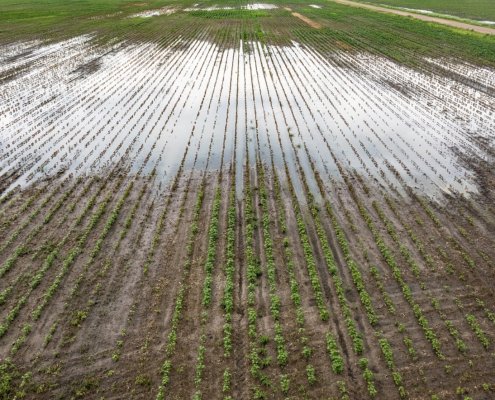 U.S. Department of Agriculture (USDA) CC0 1.0 Universal CC0 1.0 Deed
https://resoilfoundation.org/wp-content/uploads/2026/01/suolo-umidita.jpg
884
1338
Matteo Cavallito
https://resoilfoundation.org/wp-content/uploads/2020/01/logo_resoilfoundation.png
Matteo Cavallito2026-01-02 11:00:192025-12-17 13:19:11Measuring global soil moisture is more difficult than expected
 pickpik royalty free
https://resoilfoundation.org/wp-content/uploads/2025/12/pianta-1.jpg
546
728
Matteo Cavallito
https://resoilfoundation.org/wp-content/uploads/2020/01/logo_resoilfoundation.png
Matteo Cavallito2025-12-19 11:00:182025-12-11 17:52:18Plant and microorganism biodiversity increases the availability of phosphorus in the soil
 Ben Lamb Attribution-NonCommercial-ShareAlike 2.0 Generic CC BY-NC-SA 2.0 Deed
https://resoilfoundation.org/wp-content/uploads/2025/12/allevamenti-amazzonia-1.jpg
547
800
Matteo Cavallito
https://resoilfoundation.org/wp-content/uploads/2020/01/logo_resoilfoundation.png
Matteo Cavallito2025-12-12 11:00:092025-12-11 17:51:54Meat and soybean (plus coffee) are driving deforestation in the Amazon
 Boris Radosavljevic Attribution 2.0 Generic CC BY 2.0 Deed
https://resoilfoundation.org/wp-content/uploads/2025/12/Permafrost_in_Herschel_Island_001.jpg
803
1200
Matteo Cavallito
https://resoilfoundation.org/wp-content/uploads/2020/01/logo_resoilfoundation.png
Matteo Cavallito2025-12-08 11:00:522025-12-09 11:15:18Here’s how Arctic soil offsets emissions from alpine permafrost
 PickPik Royalty-Free photo
https://resoilfoundation.org/wp-content/uploads/2025/12/great-wall-of-china-landscape-towers-mountains-preview.jpg
545
728
Matteo Cavallito
https://resoilfoundation.org/wp-content/uploads/2020/01/logo_resoilfoundation.png
Matteo Cavallito2025-12-05 11:00:142025-12-05 18:46:24Vegetation restoration has curbed soil erosion in China (at least so far)
 Pentti Rautio Attribution-ShareAlike 3.0 Unported CC BY-SA 3.0 Deed
https://resoilfoundation.org/wp-content/uploads/2025/11/foresta-Finland-1.jpg
794
1200
Matteo Cavallito
https://resoilfoundation.org/wp-content/uploads/2020/01/logo_resoilfoundation.png
Matteo Cavallito2025-11-17 11:00:592025-11-17 11:23:26Nature-based solutions are the key to preventing wildfires in Europe
 Easy-Peasy.AI Free to use
https://resoilfoundation.org/wp-content/uploads/2025/11/soil-monitoring.jpg
538
799
Matteo Cavallito
https://resoilfoundation.org/wp-content/uploads/2020/01/logo_resoilfoundation.png
Matteo Cavallito2025-11-07 11:00:542025-11-10 12:20:29An integrated approach is needed for EU soil quality monitoring