Posts
 Thpelin Attribution-ShareAlike 3.0 Unported CC BY-SA 3.0 Deed
https://resoilfoundation.org/wp-content/uploads/2026/04/aree-umide-brasile.jpg
802
1280
Matteo Cavallito
https://resoilfoundation.org/wp-content/uploads/2020/01/logo_resoilfoundation.png
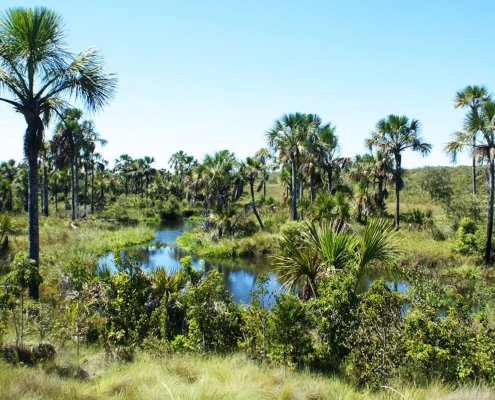
Matteo Cavallito2026-04-03 11:00:142026-04-02 18:35:34Beyond the Amazon: a forgotten carbon reserve in Brazil’s wetlands
 https://resoilfoundation.org/wp-content/uploads/2026/03/prateria.jpg
966
1454
Matteo Cavallito
https://resoilfoundation.org/wp-content/uploads/2020/01/logo_resoilfoundation.png
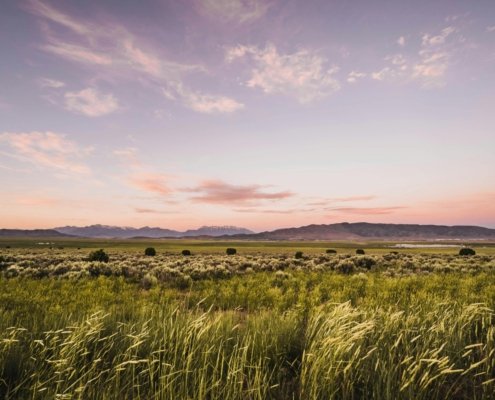
Matteo Cavallito2026-03-30 11:00:132026-03-26 18:00:44Climate change is disrupting the symbiotic relationship between plants and soil fungi
 Jonathan Wilkins Attribution-ShareAlike 3.0 Unported CC BY-SA 3.0 Deed
https://resoilfoundation.org/wp-content/uploads/2026/03/mangroves-brazil-1.jpg
853
1280
Matteo Cavallito
https://resoilfoundation.org/wp-content/uploads/2020/01/logo_resoilfoundation.png
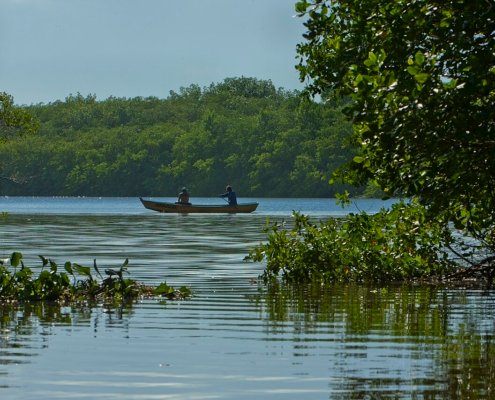
Matteo Cavallito2026-03-25 11:00:162026-03-25 19:15:04A new index measures soil health in mangrove forests
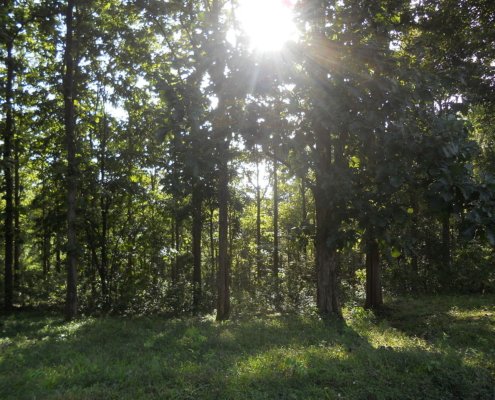 Photo: Parambikulam Tiger Conservation Foundation Attribution-ShareAlike 4.0 International CC BY-SA 4.0 Deed
https://resoilfoundation.org/wp-content/uploads/2026/02/teak-plantations-kerala-india-1.jpg
960
1280
Matteo Cavallito
https://resoilfoundation.org/wp-content/uploads/2020/01/logo_resoilfoundation.png
Matteo Cavallito2026-02-20 11:00:052026-02-20 16:32:49Natural forests beat artificial regeneration in carbon sequestration
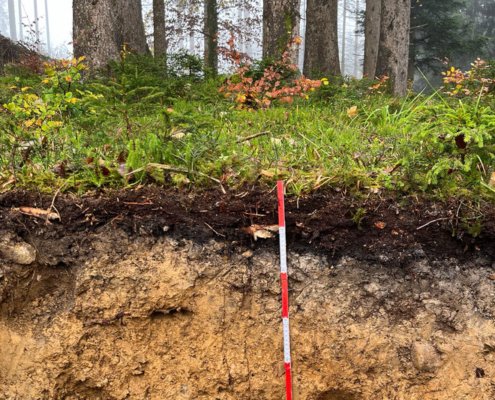 Thünen Institute/Marius Möller press release
https://resoilfoundation.org/wp-content/uploads/2026/02/suolo-forestale-1.jpg
533
800
Matteo Cavallito
https://resoilfoundation.org/wp-content/uploads/2020/01/logo_resoilfoundation.png
Matteo Cavallito2026-02-16 11:00:312026-02-12 17:44:26Forest soil in Germany has offset carbon losses from trees during drought
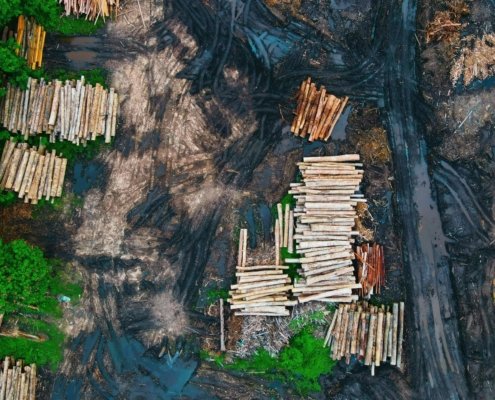 Pok Rie Pexels free to use
https://resoilfoundation.org/wp-content/uploads/2026/02/disboscamento-sud-est-asiatico-1.jpg
964
1455
Matteo Cavallito
https://resoilfoundation.org/wp-content/uploads/2020/01/logo_resoilfoundation.png
Matteo Cavallito2026-02-09 11:00:302026-02-04 17:43:58Deforestation has made Southeast Asia a net source of carbon
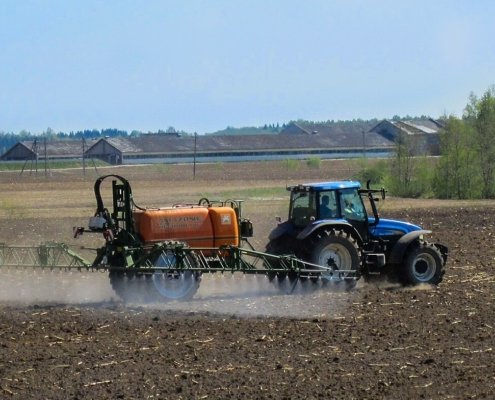 Maasaak: Attribution-ShareAlike 4.0 International CC BY-SA 4.0 Deed
https://resoilfoundation.org/wp-content/uploads/2026/02/Pesticide_spraying_in_spring-1.jpg
785
1280
Matteo Cavallito
https://resoilfoundation.org/wp-content/uploads/2020/01/logo_resoilfoundation.png
Matteo Cavallito2026-02-06 11:00:432026-02-05 12:32:06Seventy percent of agricultural land in Europe contaminated with pesticides
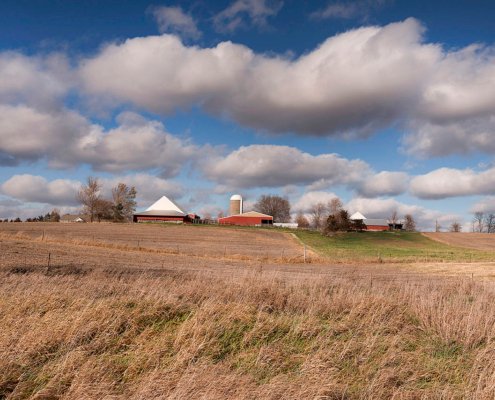 Photo: Carol M. Highsmith Attribution-ShareAlike 4.0 International CC BY-SA 4.0 Deed
https://resoilfoundation.org/wp-content/uploads/2026/02/terreno-microbioma-usa.jpg
854
1280
Matteo Cavallito
https://resoilfoundation.org/wp-content/uploads/2020/01/logo_resoilfoundation.png
Matteo Cavallito2026-02-02 11:00:292026-01-29 18:34:19US soil microbiome under investigation by researchers
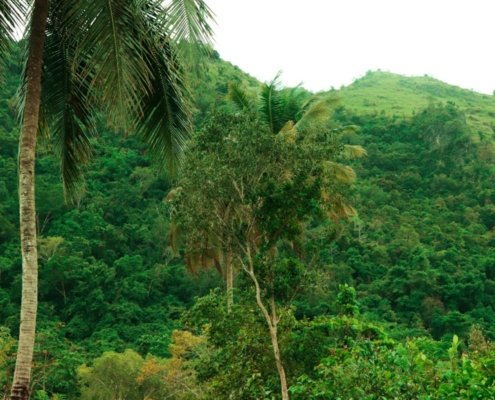 Photo: pxhere CC0 Public Domain Free for personal and commercial use No attribution required
https://resoilfoundation.org/wp-content/uploads/2026/01/foreste-tropicali-1.jpg
971
1457
Matteo Cavallito
https://resoilfoundation.org/wp-content/uploads/2020/01/logo_resoilfoundation.png
Matteo Cavallito2026-01-26 11:00:402026-01-23 12:25:12Nitrogen doubles the regeneration speed of tropical forests
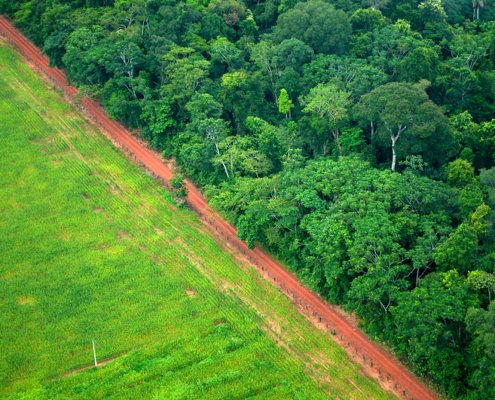 Kate Evans/CIFOR Attribution-NonCommercial-NoDerivs 2.0 Generic CC BY-NC-ND 2.0 Deed
https://resoilfoundation.org/wp-content/uploads/2026/01/strade-deforestazione-1.jpg
531
800
Matteo Cavallito
https://resoilfoundation.org/wp-content/uploads/2020/01/logo_resoilfoundation.png
Matteo Cavallito2026-01-23 11:00:242026-01-29 18:42:58A map of future roads helps fight deforestation