Posts
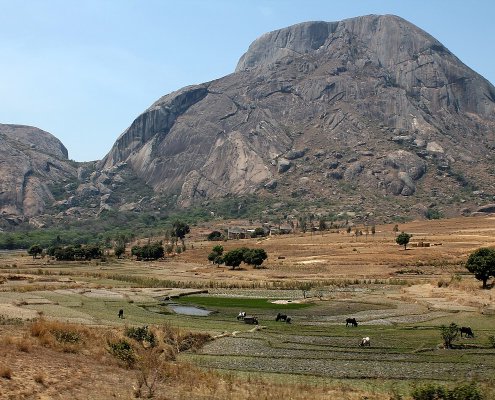 Heinonlein Attribution-ShareAlike 4.0 International CC BY-SA 4.0 Deed
https://resoilfoundation.org/wp-content/uploads/2025/10/monti-africani-1.jpg
800
1200
Matteo Cavallito
https://resoilfoundation.org/wp-content/uploads/2020/01/logo_resoilfoundation.png
Matteo Cavallito2025-10-27 11:00:142025-10-23 18:16:03Climate change threatens mountain plant biodiversity in Africa
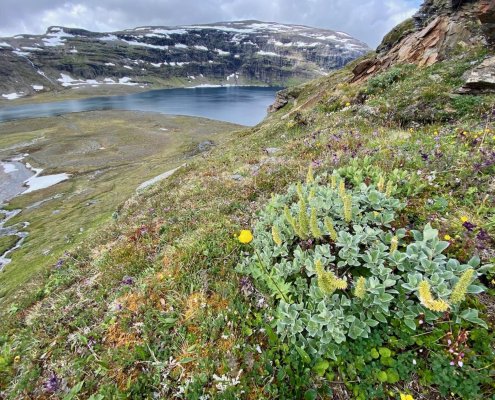 Anne Bjorkman, University of Gothenburg press release
https://resoilfoundation.org/wp-content/uploads/2025/10/tundra-artica-1.jpeg
1575
2100
Matteo Cavallito
https://resoilfoundation.org/wp-content/uploads/2020/01/logo_resoilfoundation.png
Matteo Cavallito2025-10-20 11:00:472025-10-23 15:11:29In the Arctic tundra, boreal plants are becoming increasingly widespread due to climate change
 https://resoilfoundation.org/wp-content/uploads/2025/10/dead-tree-dead-plant-decay-tree-preview-1.jpg
485
728
Matteo Cavallito
https://resoilfoundation.org/wp-content/uploads/2020/01/logo_resoilfoundation.png
Matteo Cavallito2025-10-13 11:00:412025-10-23 15:05:59Global tree mortality is getting higher. But we don’t know by how much
 https://resoilfoundation.org/wp-content/uploads/2025/10/de-sealing-suolo.jpg
830
1200
Matteo Cavallito
https://resoilfoundation.org/wp-content/uploads/2020/01/logo_resoilfoundation.png
Matteo Cavallito2025-10-10 11:00:552025-10-13 17:21:59Freeing up soil is possible. Experts share regeneration experiences trough de-sealing
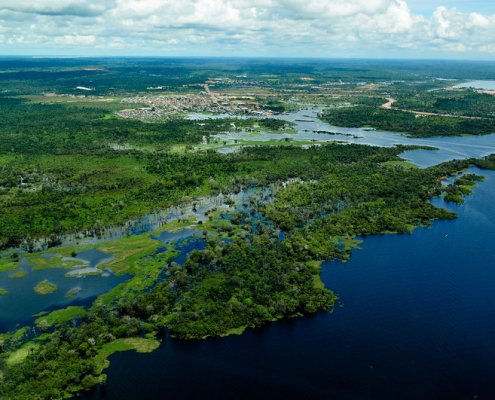 Neil Palmer/CIAT Attribution-NonCommercial-NoDerivs 2.0 Generic CC BY-NC-ND 2.0 Deed
https://resoilfoundation.org/wp-content/uploads/2025/09/amazzonia-1.jpg
531
800
Matteo Cavallito
https://resoilfoundation.org/wp-content/uploads/2020/01/logo_resoilfoundation.png
Matteo Cavallito2025-09-22 11:00:462025-09-17 11:19:38Carbon balance in Amazon rainforest shows 370 million tons deficit in a decade
 Jialiang Gao Attribution-ShareAlike 3.0 Unported CC BY-SA 3.0 Deed
https://resoilfoundation.org/wp-content/uploads/2025/09/rinverdimento-1.jpg
788
1200
Matteo Cavallito
https://resoilfoundation.org/wp-content/uploads/2020/01/logo_resoilfoundation.png
Matteo Cavallito2025-09-19 11:00:322025-09-17 11:19:32Greener but less wet: a Chinese study reveals the global soil paradox
 https://resoilfoundation.org/wp-content/uploads/2025/09/agricoltura-ue-scaled.jpg
1920
2560
Matteo Cavallito
https://resoilfoundation.org/wp-content/uploads/2020/01/logo_resoilfoundation.png
Matteo Cavallito2025-09-08 11:00:252025-09-09 18:20:52Cutting fertilizer use will not be enough to meet EU nitrogen targets
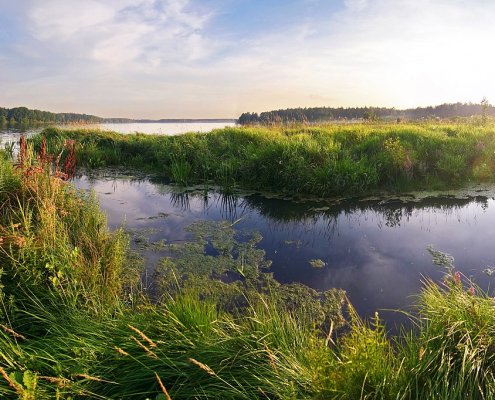 Photo: Svetlana Makarova Attribution-ShareAlike 2.0 Generic CC BY-SA 2.0 Deed
https://resoilfoundation.org/wp-content/uploads/2025/09/wetland-1.jpg
682
1200
Matteo Cavallito
https://resoilfoundation.org/wp-content/uploads/2020/01/logo_resoilfoundation.png
Matteo Cavallito2025-09-03 11:00:432025-09-10 11:25:40A Chinese study has quantified 20 years of carbon sequestration in wetlands
 Rob Oo Attribution 2.0 Generic CC BY 2.0 Deed
https://resoilfoundation.org/wp-content/uploads/2025/08/antartide-1.jpg
533
799
Matteo Cavallito
https://resoilfoundation.org/wp-content/uploads/2020/01/logo_resoilfoundation.png
Matteo Cavallito2025-08-27 11:00:072025-09-02 11:10:56Hyperspectral images reveal the health status of vegetation in Antarctica
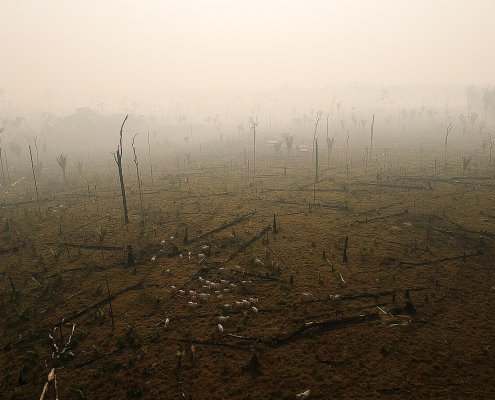 Bruno Kelly/Amazônia Real/11/08/2020 Attribution 2.0 Generic CC BY 2.0 Deed
https://resoilfoundation.org/wp-content/uploads/2025/08/foreste-amazzonia-1.jpg
899
1199
Matteo Cavallito
https://resoilfoundation.org/wp-content/uploads/2020/01/logo_resoilfoundation.png
Matteo Cavallito2025-08-25 11:00:422025-08-04 14:23:30In the Amazon region post-fire stress can last in forests for decades