From aquaculture to agriculture, waste recovery connects value chains
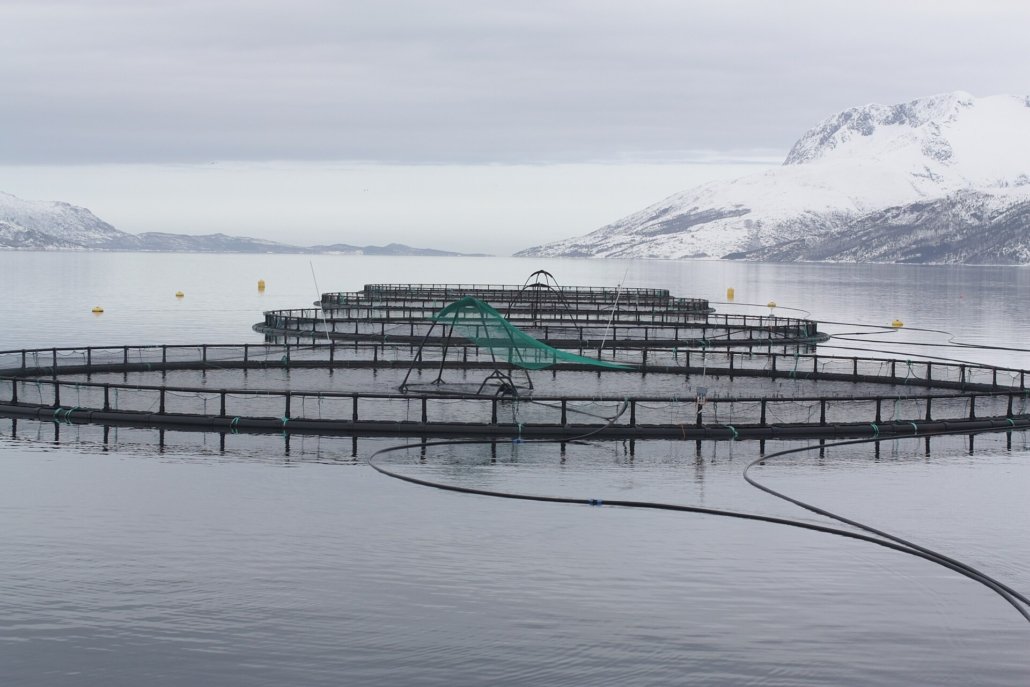 Photo: Thomas Bjørkan CC BY-SA 3.0
From sea to farmland, recovering value from by-products opens up new opportunities for agriculture and other industries. But circularity, an EU report stresses, requires collaboration throughout the value chain
by Matteo Cavallito
Mollusc shells, sludge from fish farms and fish processing residues can become raw materials for agriculture and other industries. Recovering this waste is the first step towards producing fertilisers and soil improvers, building materials, food and cosmetic ingredients, and creating value through the circular economy.
For these solutions to work, however, value chains must connect those who generate residues with those who collect them, process them and use them. This requires infrastructure, skills, markets and clear rules. These opportunities are outlined in the report “Circular Economy in Aquaculture”, published this year.
Connecting industries to recover resources
Prepared by the EU Aquaculture Assistance Mechanism within the framework of the European Maritime, Fisheries and Aquaculture Fund (EMFAF), the document identifies three pathways: using more circular inputs, making better use of aquaculture side-streams and integrating them into other sectors.
“Industrial synergy and/or symbiosis is a key good practice within circular economy strategies, enabling the exchange of materials, energy, water, and by-products between traditionally separated industries to create mutual environmental and economic benefits”, states the report, which was recently discussed at a workshop held in Ljubljana as part of “Aquaculture Europe 2026”.
From sludge to fertilisers for agriculture
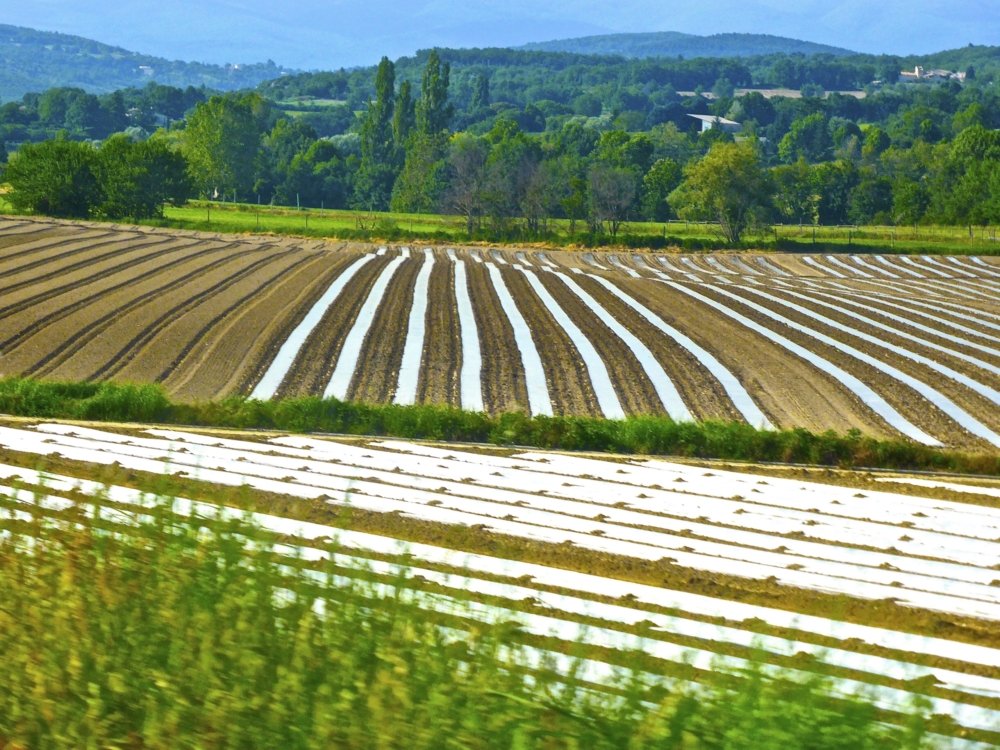
One of the most significant examples is the recovery of nutrients from fish farms, where sludge can be treated through anaerobic digestion: alongside biogas, the process produces a residue that can be used to fertilise farmland. “The digestate (residual slurry) from the anaerobic digestion can be processed or directly applied as a biofertiliser, or through extraction methodologies, nutrients can be removed and purified, contributing to circular nutrient flows”, the report explains, highlighting the potential to recover nitrogen and phosphorus for reuse on farmland.
Projects working towards this goal include AQUAPHOENIX, funded by Horizon Europe, and SEA2LAND, which focuses particularly on sludge, viscera and off-specification fish to produce organic soil improvers, bio-based fertilisers and other products.
Commercial technologies are also available, including the Waister system, which collects and dries fish farm sludge to turn it into a biofertiliser.
New uses for shells, fish residues and nets
The projects also explore the use of mollusc shells in agriculture to produce biofertilisers for acidic soils. Other initiatives, such as the BioreFISH project, aim to develop fermentation and enzymatic hydrolysis processes to recover compounds from fish by-products, with potential applications including biofertilisers and biostimulants.
Another example is the European LIFE MUSCLES project, co-funded by the EU under the LIFE Programme 2014-2020, which is testing biodegradable and compostable tubular nets on mussel farms and has developed a mobile plant to recycle polypropylene nets. By the end of 2025, almost 100 tonnes of polypropylene had been treated for reuse and 26 tonnes of biopolymer nets had been produced.
Circularity requires value chains and skills
Scaling up these solutions requires a coordinated approach and the ability to involve “downstream users (such as agricultural farmers, fertiliser producers and bio-based industries) to design circular products that meet their needs and quality expectations”. Overcoming existing barriers related to funding, infrastructure and regulatory uncertainty over the classification and reuse of residues is also essential.
Training is another key requirement. Circularity in aquaculture also depends on the ability to connect production, collection, processing and use. These skills are the focus of the BlueAquaEdu project, supported by EMFAF, which has developed online courses and training programmes covering topics such as fish farming, processing and the recovery of value from by-products.
 Re Soil Foundation