Posts
 Consorzio Biorepack
https://resoilfoundation.org/wp-content/uploads/2026/11/Screenshot-2026-11-10-alle-22.15.52-1.png
1406
2342
Emanuele Isonio
https://resoilfoundation.org/wp-content/uploads/2020/01/logo_resoilfoundation.png
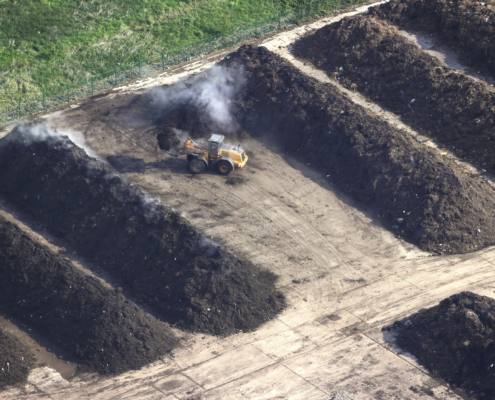
Emanuele Isonio2026-11-11 11:00:482026-11-11 14:26:32Compost protects soil carbon. But climate change is rewriting the rules
 Re Soil Foundation
https://resoilfoundation.org/wp-content/uploads/2026/10/Citta-e-campagna_-vita-nel-suolo-1-e1792342875657.png
507
900
Emanuele Isonio
https://resoilfoundation.org/wp-content/uploads/2020/01/logo_resoilfoundation.png
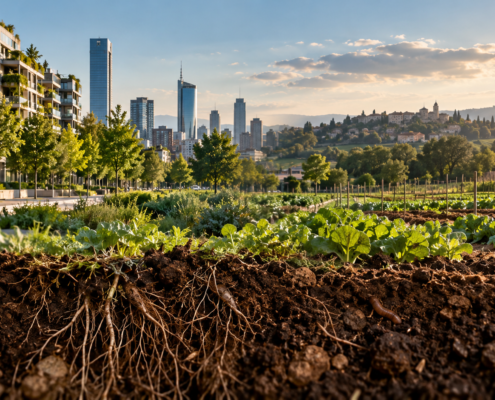
Emanuele Isonio2026-10-19 11:00:452026-10-18 19:02:32States general for soil health: cities and agriculture depend on healthy soils
 https://resoilfoundation.org/wp-content/uploads/2026/10/memorycatcher-crop-967942-1-scaled-e1792142155724.jpg
1920
2560
Emanuele Isonio
https://resoilfoundation.org/wp-content/uploads/2020/01/logo_resoilfoundation.png
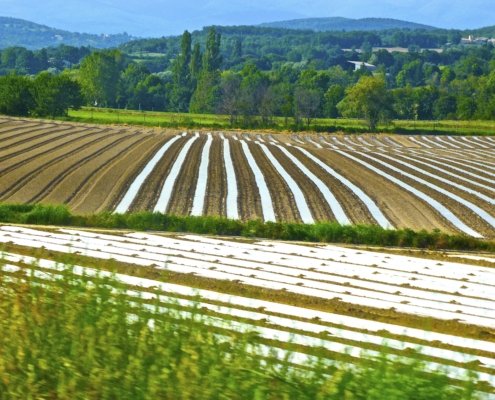
Emanuele Isonio2026-10-16 11:00:002026-10-16 11:32:28Utilizing agricultural waste to reduce plastic in soils
 https://resoilfoundation.org/wp-content/uploads/2026/07/perkons-compost-grinder-3389088_1280.jpg
825
1280
Emanuele Isonio
https://resoilfoundation.org/wp-content/uploads/2020/01/logo_resoilfoundation.png
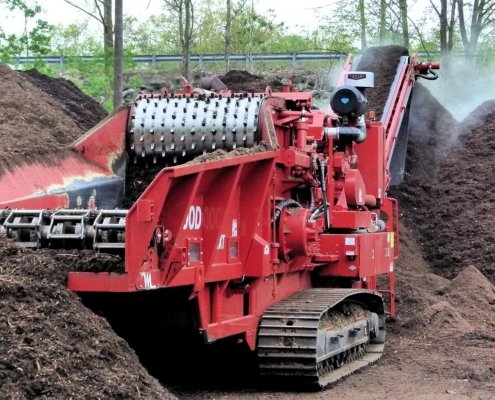
Emanuele Isonio2026-07-01 11:58:572026-10-05 17:58:33Compostable bioplastic residues do not accumulate in soil
 https://resoilfoundation.org/wp-content/uploads/2026/06/Schermata-2026-06-10-alle-16.53.24.png
1218
858
Emanuele Isonio
https://resoilfoundation.org/wp-content/uploads/2020/01/logo_resoilfoundation.png
Emanuele Isonio2026-06-11 12:00:462026-06-15 14:20:11Soil erosion, drought and fertility loss: the practices that can help save the land
 https://resoilfoundation.org/wp-content/uploads/2025/12/money-2696219_1280.jpg
854
1280
Emanuele Isonio
https://resoilfoundation.org/wp-content/uploads/2020/01/logo_resoilfoundation.png
Emanuele Isonio2025-12-01 11:00:062025-12-04 10:24:47“The new Bioeconomy Strategy is a step forward for the EU’s economic future”
 Iván Tamás by Pixabay
https://resoilfoundation.org/wp-content/uploads/2025/11/bulb-2368396_1280-1.jpg
1077
1280
Emanuele Isonio
https://resoilfoundation.org/wp-content/uploads/2020/01/logo_resoilfoundation.png
Emanuele Isonio2025-11-28 11:56:032025-12-04 10:38:58Bioeconomy: The EU Commission presents its new strategy
 https://resoilfoundation.org/wp-content/uploads/2023/11/DSC_4595-1-scaled.jpg
1706
2560
Emanuele Isonio
https://resoilfoundation.org/wp-content/uploads/2020/01/logo_resoilfoundation.png
Emanuele Isonio2023-11-10 11:00:402023-11-10 14:20:29For sustainable carbon cycles we need to focus on nature-based solutions
 https://resoilfoundation.org/wp-content/uploads/2022/03/iStock-509075859-1-scaled-e1647614941932.jpg
311
468
Emanuele Isonio
https://resoilfoundation.org/wp-content/uploads/2020/01/logo_resoilfoundation.png
Emanuele Isonio2022-03-19 11:00:222022-03-21 09:52:13European law on soil, full of proposals for the EU call
 Commonwealth Scientific and Industrial Research Organisation (CSIRO) Attribution 3.0 Unported (CC BY 3.0)
https://resoilfoundation.org/wp-content/uploads/2021/07/cotone-australia-1.jpg
527
800
Matteo Cavallito
https://resoilfoundation.org/wp-content/uploads/2020/01/logo_resoilfoundation.png
Matteo Cavallito2021-07-23 11:00:362021-07-24 15:26:04Australian cotton industry seeks to turn clothes into climate-friendly soil ameliorants