Posts
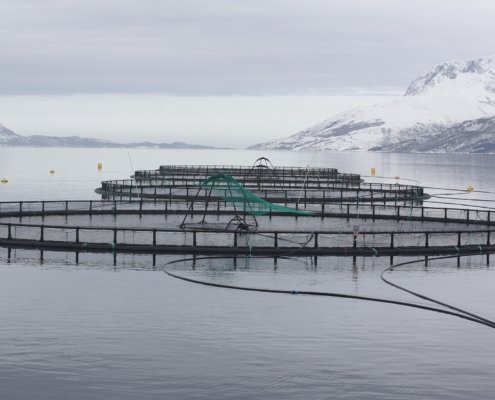 Photo: Thomas Bjørkan CC BY-SA 3.0
https://resoilfoundation.org/wp-content/uploads/2026/10/allevamento-pesci-1.jpg
1280
1920
Matteo Cavallito
https://resoilfoundation.org/wp-content/uploads/2020/01/logo_resoilfoundation.png
Matteo Cavallito2026-10-21 11:00:182026-10-16 10:51:48From aquaculture to agriculture, waste recovery connects value chains
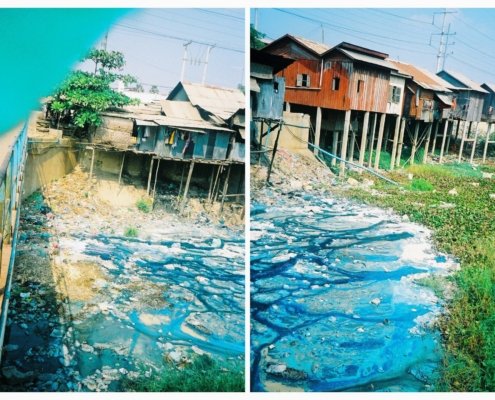 Oded Gilad, CC BY-SA 4.0
https://resoilfoundation.org/wp-content/uploads/2026/10/Indigo_pollutionjpg-1.jpg
1440
1920
Matteo Cavallito
https://resoilfoundation.org/wp-content/uploads/2020/01/logo_resoilfoundation.png
Matteo Cavallito2026-10-05 11:00:382026-10-02 17:34:57Bulrush waste could help remove dyes from wastewater
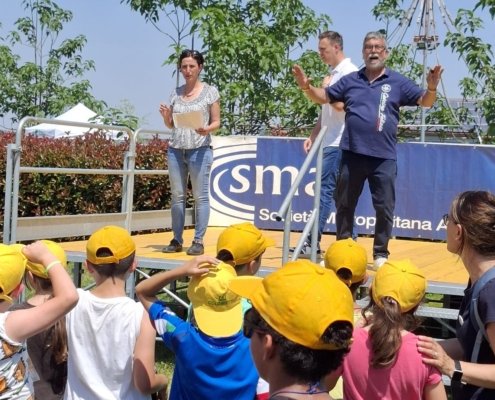 Photo: Nicola Vuolo, Re Soil Foundation
https://resoilfoundation.org/wp-content/uploads/2026/06/Cumiana-26.jpg
970
1525
Matteo Cavallito
https://resoilfoundation.org/wp-content/uploads/2020/01/logo_resoilfoundation.png
Matteo Cavallito2026-06-15 11:00:132026-06-12 14:05:03From Cumiana to Este: building soil awareness to secure a sustainable future
 https://resoilfoundation.org/wp-content/uploads/2026/06/Schermata-2026-06-10-alle-16.53.24.png
1218
858
Emanuele Isonio
https://resoilfoundation.org/wp-content/uploads/2020/01/logo_resoilfoundation.png
Emanuele Isonio2026-06-11 12:00:462026-06-15 14:20:11Soil erosion, drought and fertility loss: the practices that can help save the land
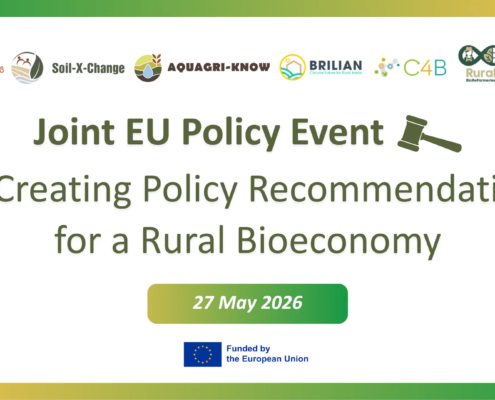 BBioNets consortium Attribution-NonCommercial 4.0 International CC BY-NC 4.0 Deed
https://resoilfoundation.org/wp-content/uploads/2026/04/EU_Policy_Event.png-1.webp
1080
1920
Matteo Cavallito
https://resoilfoundation.org/wp-content/uploads/2020/01/logo_resoilfoundation.png
Matteo Cavallito2026-04-27 11:00:052026-04-24 11:52:16From local action to European strategy: a Policy Lab for the bioeconomy
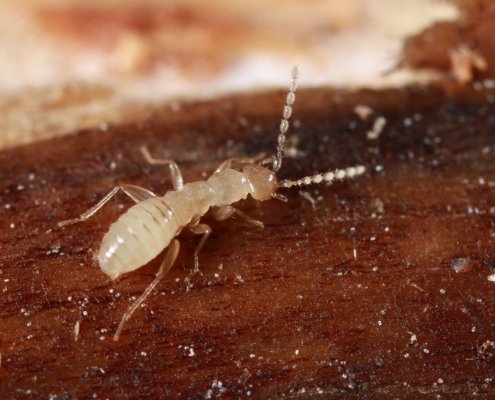 Angal insect Attribution-ShareAlike 4.0 International CC BY-SA 4.0 Deed
https://resoilfoundation.org/wp-content/uploads/2026/03/insetto-1.jpg
1280
1920
Matteo Cavallito
https://resoilfoundation.org/wp-content/uploads/2020/01/logo_resoilfoundation.png
Matteo Cavallito2026-03-16 11:00:582026-03-27 09:58:41Insect frass improves soil health and protect crops
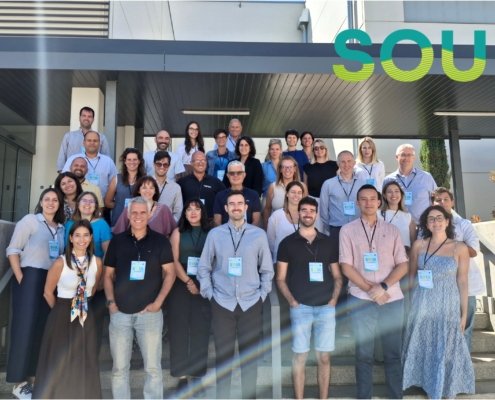 SOUL
https://resoilfoundation.org/wp-content/uploads/2026/03/KoM-SOUL-Logo-1-scaled.jpg
1664
2560
Matteo Cavallito
https://resoilfoundation.org/wp-content/uploads/2020/01/logo_resoilfoundation.png
Matteo Cavallito2026-03-06 12:00:142026-03-06 18:01:09SOUL project gets started, five EU countries will test new bio-based products
 https://resoilfoundation.org/wp-content/uploads/2025/12/money-2696219_1280.jpg
854
1280
Emanuele Isonio
https://resoilfoundation.org/wp-content/uploads/2020/01/logo_resoilfoundation.png
Emanuele Isonio2025-12-01 11:00:062025-12-04 10:24:47“The new Bioeconomy Strategy is a step forward for the EU’s economic future”
 Iván Tamás by Pixabay
https://resoilfoundation.org/wp-content/uploads/2025/11/bulb-2368396_1280-1.jpg
1077
1280
Emanuele Isonio
https://resoilfoundation.org/wp-content/uploads/2020/01/logo_resoilfoundation.png
Emanuele Isonio2025-11-28 11:56:032025-12-04 10:38:58Bioeconomy: The EU Commission presents its new strategy
 © Mathieu CUGNOT - European Union 2025
https://resoilfoundation.org/wp-content/uploads/2025/11/20250506_EP-184318D_CU__PST_025-MEDIUM-1-scaled.jpg
1707
2560
Emanuele Isonio
https://resoilfoundation.org/wp-content/uploads/2020/01/logo_resoilfoundation.png
Emanuele Isonio2025-11-12 11:00:202025-11-13 11:06:35Corrado (S&D): “Soil Law strikes a balance between ambition and practicality”