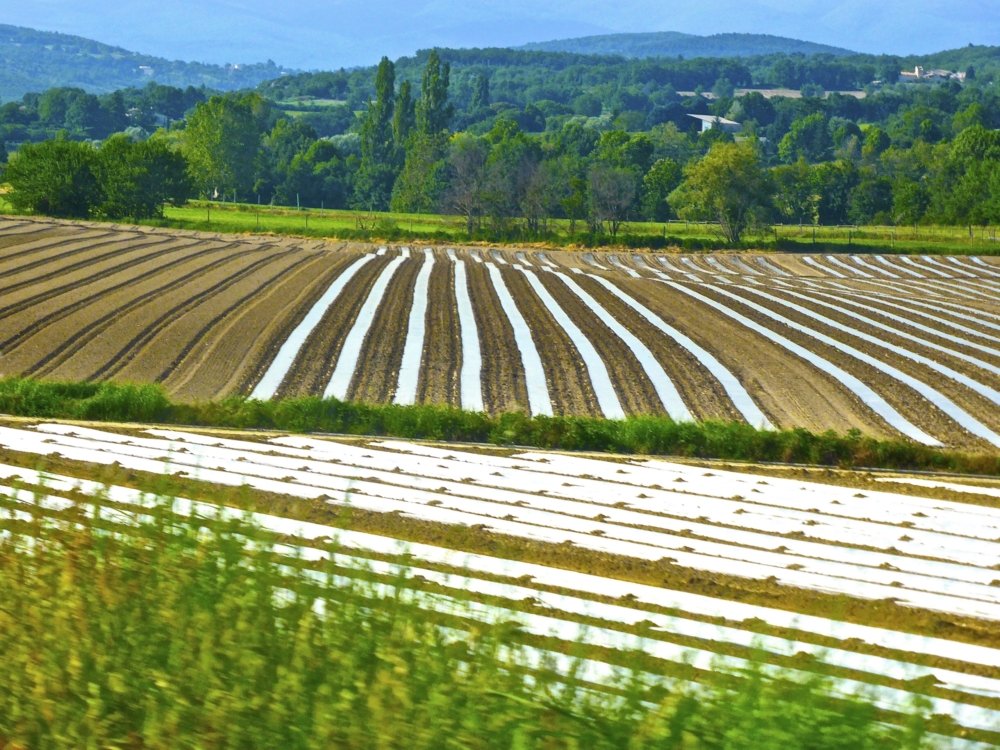
Beneath the Arctic permafrost lies a more complex ecosystem than expected
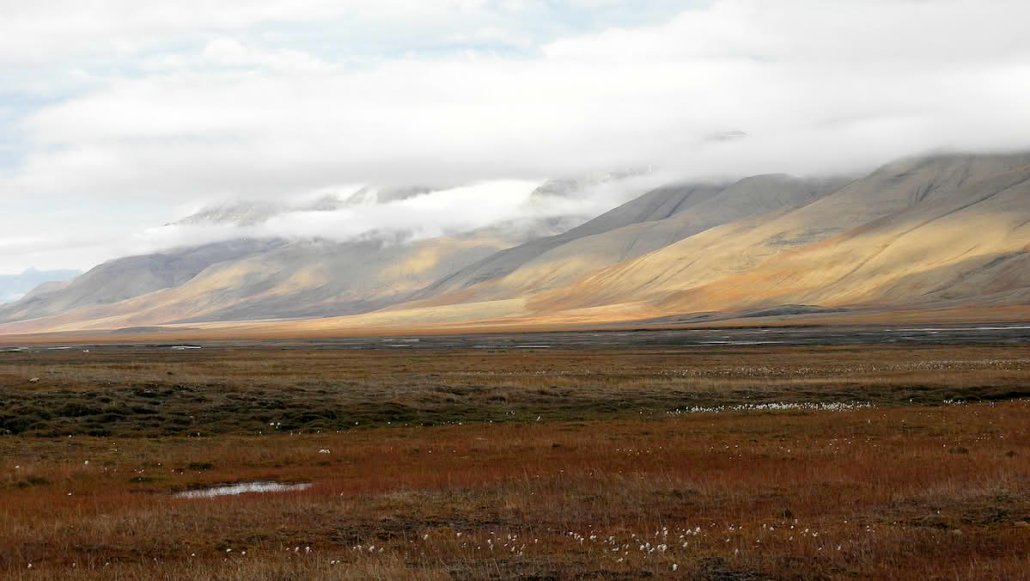 Billy Lindblom Attribution 2.0 Generic CC BY 2.0 Deed
 According to an international study, the direct impact of permafrost thaw on the climate may be regulated by intricate biological balances, with microbial dynamics proving far more complex than previously thought
by Matteo Cavallito
The thawing of Arctic permafrost, as is well known, reactivates soil microorganisms, leading to the release of carbon. This process, however, appears to follow dynamics that are far more complex than previously assumed, with important implications for climate change forecasting models. This is the conclusion of a study carried out by an international team of scientists coordinated by researchers from Queen Mary University of London.
Published in the journal mSystems, the research argues in particular that greenhouse gas emissions from Arctic soils are not driven solely by warming itself, but also by the types of microorganisms involved, their timing and their metabolic functions. Rising temperatures, in other words, may not rapidly and uniformly activate the entire microbial biomass trapped within frozen soils. Instead, they appear to trigger a selective biological awakening, gradual in nature and regulated by multiple ecological interactions.
What happens beneath the ice
“Climate warming threatens Arctic permafrost with seasonal cycles of freezing and thawing”, the study explains, describing a phenomenon with major climatic consequences. When these soils, which store vast amounts of carbon accumulated over thousands of years, begin to thaw, the microbes living within them can become active again, decomposing organic matter and releasing carbon dioxide and methane.
“Arctic soil microorganisms regulate carbon stocks and greenhouse gas exchanges with the atmosphere”, the research continues, “yet their precise seasonal growth and dormancy dynamics, and their responses to permafrost thaw, are not well understood”.
Designed to clarify how microbial communities in Arctic soils respond to the seasonal thawing of ice, the study therefore aimed to identify precise data on the speed, mechanisms and temporal succession of these biological processes. These aspects are crucial for understanding how much carbon may ultimately be transformed into greenhouse gases in an increasingly warmer Arctic.
Two phases of microbial activity in permafrost
To investigate these dynamics, researchers used soil samples collected from the Svalbard Islands, in the Arctic archipelago located between mainland Norway and the North Pole, exposing them to a controlled thawing process in the laboratory. Here, as noted in a statement released by Queen Mary University, “DNA based stable isotope analysis enabled the team to track the growth of hundreds of microbial taxa simultaneously”. The technique allowed researchers to directly trace microbial growth, distinguishing organisms that became active from those that remained dormant.
The results revealed the existence of two distinct microbial groups: an “early” community, active after 21 days of thawing, and a “late” community, which developed only after 98 days. Among the most active microbial groups were Acidobacteriota, Actinobacteriota, Bacteroidota and Proteobacteria.
The study also uncovered an important finding related to methane: although methane concentrations remained low in the experimental microcosms, researchers detected the growth of aerobic bacteria capable of oxidising the compound itself. And that is not all: perhaps the most surprising result was that roughly half of the identified microbial species showed no growth throughout the entire experiment. This suggests that Arctic soils still contain vast reservoirs of dormant microorganisms.
More gradual and complex climate impacts
The study’s implications are particularly significant from a climate perspective. The research suggests that thawing permafrost may generate less immediate and less uniform emissions than generally assumed. This does not mean, of course, that permafrost thaw — a phenomenon affecting roughly 28% of the total land surface in the planet’s northern regions — will cease to pose a threat.
In these same regions, the study notes, the thawing of the underlying soil has already increased the average thickness of the active soil layer by 0.11 centimetres per year between 2003 and 2020.
“Even under optimistic emissions scenarios”, the researchers point out, “the global active layer soil volume is projected to significantly increase as Arctic permafrost thaws, causing a substantial amount of permafrost carbon to undergo seasonal thawing”. Keeping these phenomena under control, however, will require predictive models capable of accounting for multiple variables. Because the future climate of the Arctic will not depend solely on rising temperatures, but also on the balance of the complex ecosystem developing beneath the surface.
 Photo: Thomas Bjørkan CC BY-SA 3.0
 Re Soil Foundation