From grasslands to textile fibres: research enters a new phase
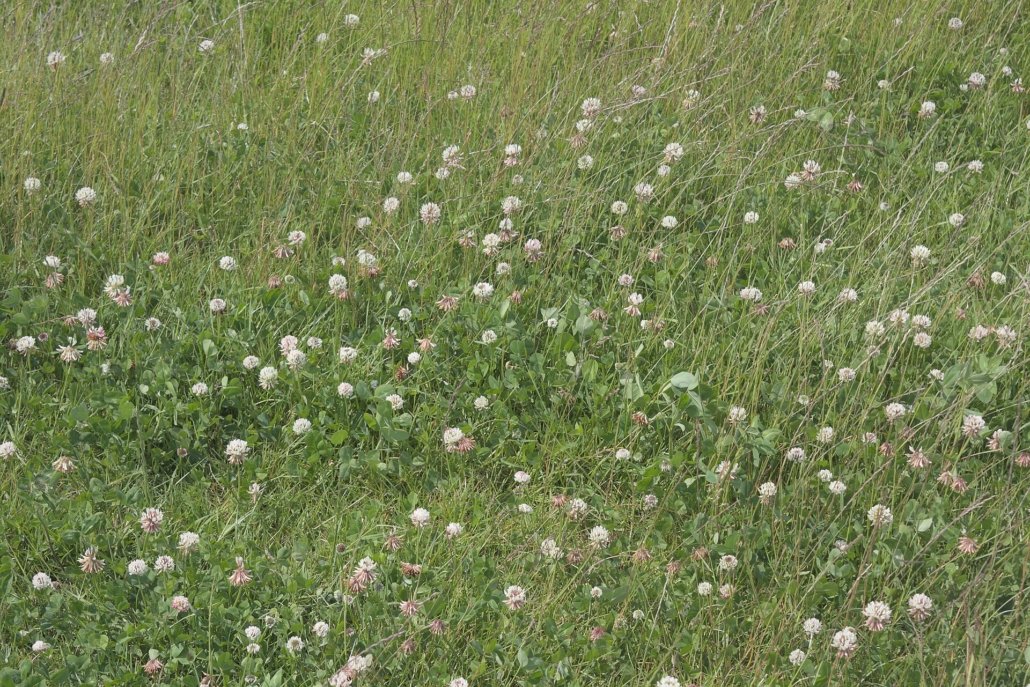 Aethonatic / Wikimedia Commons — CC0
Researchers in Sweden aim to optimise and scale up the production of textile fibres from grass and clover residues. An opportunity to add value to crops that contribute to soil health
by Matteo Cavallito
Producing textile fibres from grass and clover offers a way to recover waste materials and add value to crops that contribute to soil health. Moving from the laboratory to larger-scale production is now one of the goals of researchers at Chalmers University of Technology in Gothenburg, Sweden. Having obtained the first filaments from the residues left after processing these plants, the team is continuing its work within Land2Value, a project involving Swedish, Danish and Norwegian partners.
The plans, outlined in recent weeks, include optimising the process and assessing its environmental benefits. The challenge now is to determine how to process larger quantities and make the entire value chain resource-efficient, turning a laboratory demonstration into a practical opportunity for the circular economy.
From grasslands to biorefineries
The approach centres on green biorefineries, facilities where biomass is separated and processed to obtain a range of products. Protein can be extracted from fresh grass and clover for animal feed, potentially replacing imported soy protein. This leaves a solid, fibrous fraction, known as “press cake”, containing cellulose, lignin and pigments. These residues can be used to produce biogas, but they also offer opportunities to obtain higher-value materials.
This is the principle of the cascading use of biomass: using different components of the plant to make better use of the raw material in keeping with circular economy principles. The approach also has implications for agriculture and soil.
Grass and clover, traditionally grown for forage, can help improve soil structure and increase soil organic matter. As the researchers note, these perennial crops offer several advantages, including “low pesticide requirements, low nutrient leaching, and contributions to improved soil health and carbon sequestration”.
The scientific basis: from residues to textile fibres
This development builds on a study published last year in ACS Sustainable Chemistry & Engineering. The researchers tested a process to recover chlorophyll pigments from the fibrous residue before separating cellulose and lignin. They compared solvents and treatment conditions, seeking a balance between product purity, recovery yields and chemical use.
“The resulting high-cellulose pulps, approaching a cellulose content of 90 weight percent, were successfully spun into textile fibers through wet-spinning”, the authors explained.
The findings open up possibilities beyond the textile industry: “Our results present a proof-of-concept for optimizing green biorefineries to obtain four added-value products from renewable grass-clover biomass: proteins, chlorophyll pigments, cellulose pulp, and lignin”, the study stated. The research therefore demonstrated the potential to obtain multiple products from the same biomass, starting with protein extraction.
Assessing the sustainability of the entire process
The next step is to assess what is needed to develop the technology further. In particular, the mechanical properties of the fibres, methods for dissolving cellulose and raw material handling require further investigation. Decisions about which grasses to use, how long to store the residues and whether to dry them or keep them frozen affect resource consumption, costs and environmental performance. Whether material recovery can be combined with biogas production also remains an open question.
“The next step is to test the process at pilot scale and compare it with a large-scale industrial process”, explained Diana Bernin, Associate Professor at Chalmers’ Department of Chemistry and Chemical Engineering.
Finally, the overall sustainability of the process still needs to be assessed. The study highlighted the need for “future work with combined process optimization and scalability testing, in which robust metrics are performed (life cycle assessment and technoeconomic analysis) considering the whole integrated process”. This will help establish whether this circular approach can deliver tangible environmental and economic benefits while providing a new use for biomass.
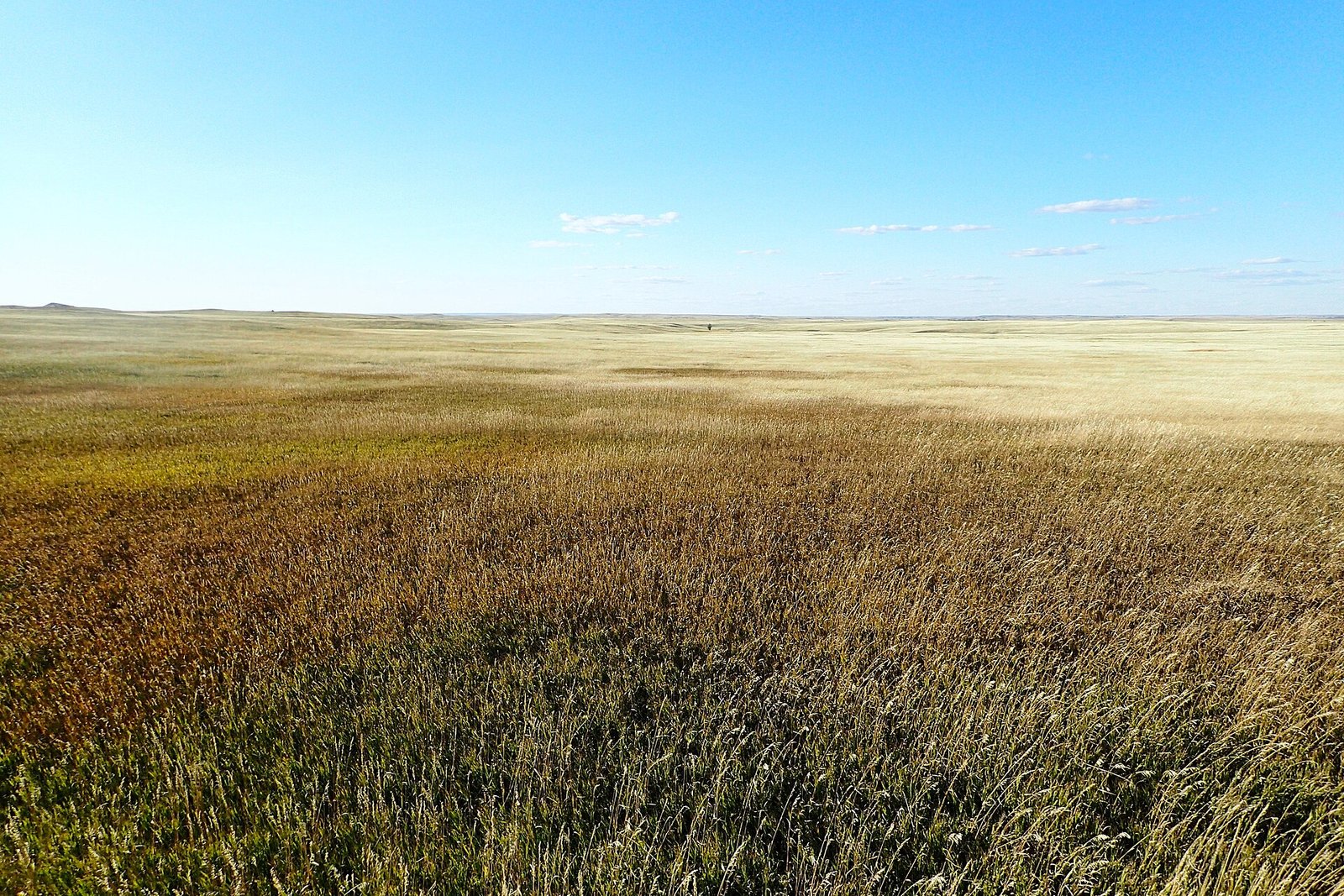 Krzysztof Ziarnek, Kenraiz / Wikimedia Commons, CC BY-SA 4.0
 Sam Beebe, CC BY 2.0