Cereal crop residues: how to balance bioenergy production and biodiversity conservation
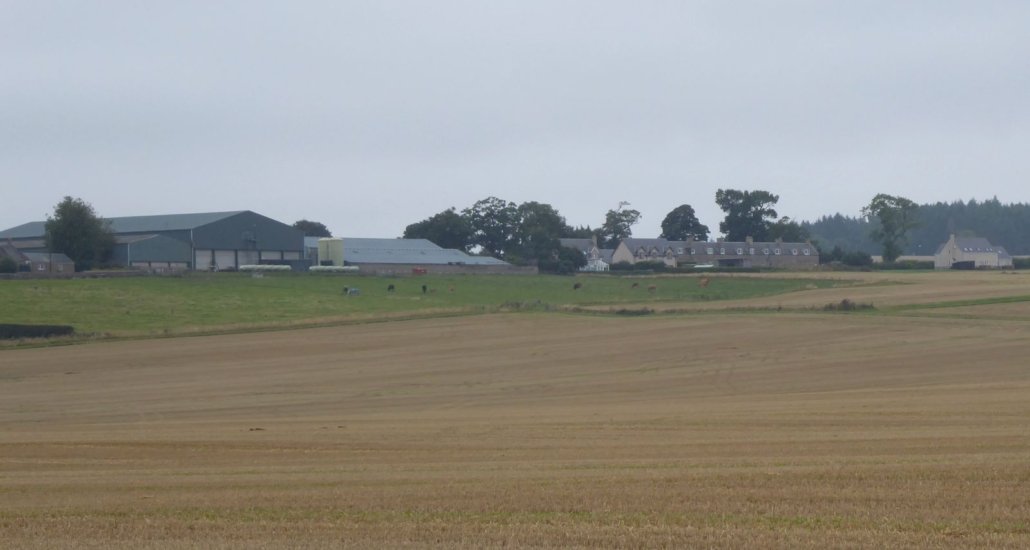 Russel Wills, CC BY-SA 2.0
Crop residues can be used to generate renewable energy, but removing more of them could reduce farmland biodiversity. A study suggests how to balance the two goals
By Matteo Cavallito
Straw and other cereal crop residues can be used to produce renewable bioenergy. Removing too much of this material, however, could reduce local biodiversity, especially in areas where a large share of the residues is currently left in the fields. Taking this potential ecological cost into account can help determine how much biomass to use for energy production. That’s what a study led by the University of Surrey in collaboration with the Natural History Museum in London and Utrecht University suggests.
How crop residues benefit soils and wildlife
The stems, leaves and husks left after the cereal harvest can be used for energy or as livestock feed or bedding. When left in the fields, they help replenish soil organic matter and protect the soil from erosion. They also provide food and shelter for a range of organisms.
Winter stubble, for example, provides seeds for birds. As the study, published in Agriculture, Ecosystems & Environment, notes, “the availability of residues can improve habitat conditions and food availability for earthworms”. According to estimates cited in the study, between 45 and 75% of cereal crop residues were left in the fields across much of Europe between 1997 and 2021. What happens when more of these residues are collected for energy production?
Balancing the energy transition with biodiversity conservation
“Crop residues could provide a valuable source of renewable energy for Europe’s green transition”, notes Zoe Harris, a co-author of the study and director of the Centre for Environment and Sustainability at the University of Surrey, in a statement from the university.
The data, however, “suggest that there could indeed be consequences for biodiversity, and that needs to be factored in when assessing how much crop residue can sustainably be used for bioenergy production”.
The challenge is to meet energy needs while protecting farmland biodiversity. “It’s not just about finding enough material to produce renewable energy, but working out where that material should come from”, adds Sophie Tudge, the study’s lead author. “There may be opportunities to make more of this material available for bioenergy without putting additional pressure on farmland and the wildlife it supports”.
What the data from cereal fields show
The researchers used biodiversity measurements collected between 1997 and 2021 at nearly 11,000 sites across Europe, including 475 cereal-growing sites. They compared the total abundance of organisms and the number of species with estimates of crop yields and the share of residues left in fields across the surrounding landscape. In cereal fields in areas where 70 to 83% of the residues were left in place, estimated abundance was significantly higher than in both groups with lower shares. The estimated number of species was significantly higher only in comparison with the group that left an intermediate share of residues in the fields.
“Cereal cropland in landscapes with a high proportion of cereal residues left on field had greater values of rescaled total abundance (41.43% greater) and species richness (29.90% greater) than cereal cropland in landscapes with a low proportion of residues left on field”, the study explains.
For each field where biodiversity was measured, the researchers used an estimate of the share of residues left in fields across the surrounding area. The share left in an individual field could therefore differ from the estimate for the surrounding area. Further field trials are needed to find out how biodiversity changes when different amounts of residue are left in the same field.
Balancing bioenergy production and biodiversity conservation
Exploring new ways to use crop residues could support both biodiversity conservation and the circular bioeconomy, while creating new markets for farmers to sell residues for energy production and other bio-based uses. One option discussed in the study is to divert some of the residues already collected for feed and bedding to bioenergy if demand from the livestock sector falls.
This could make more biomass available without increasing the amount removed from fields. “Reducing the amount of cereal residues used for other purposes, for example via dietary shifts away from meat and dairy products, could alleviate some residues without the need to remove more from fields, thus protecting existing cropland biodiversity”, the authors conclude.
“`
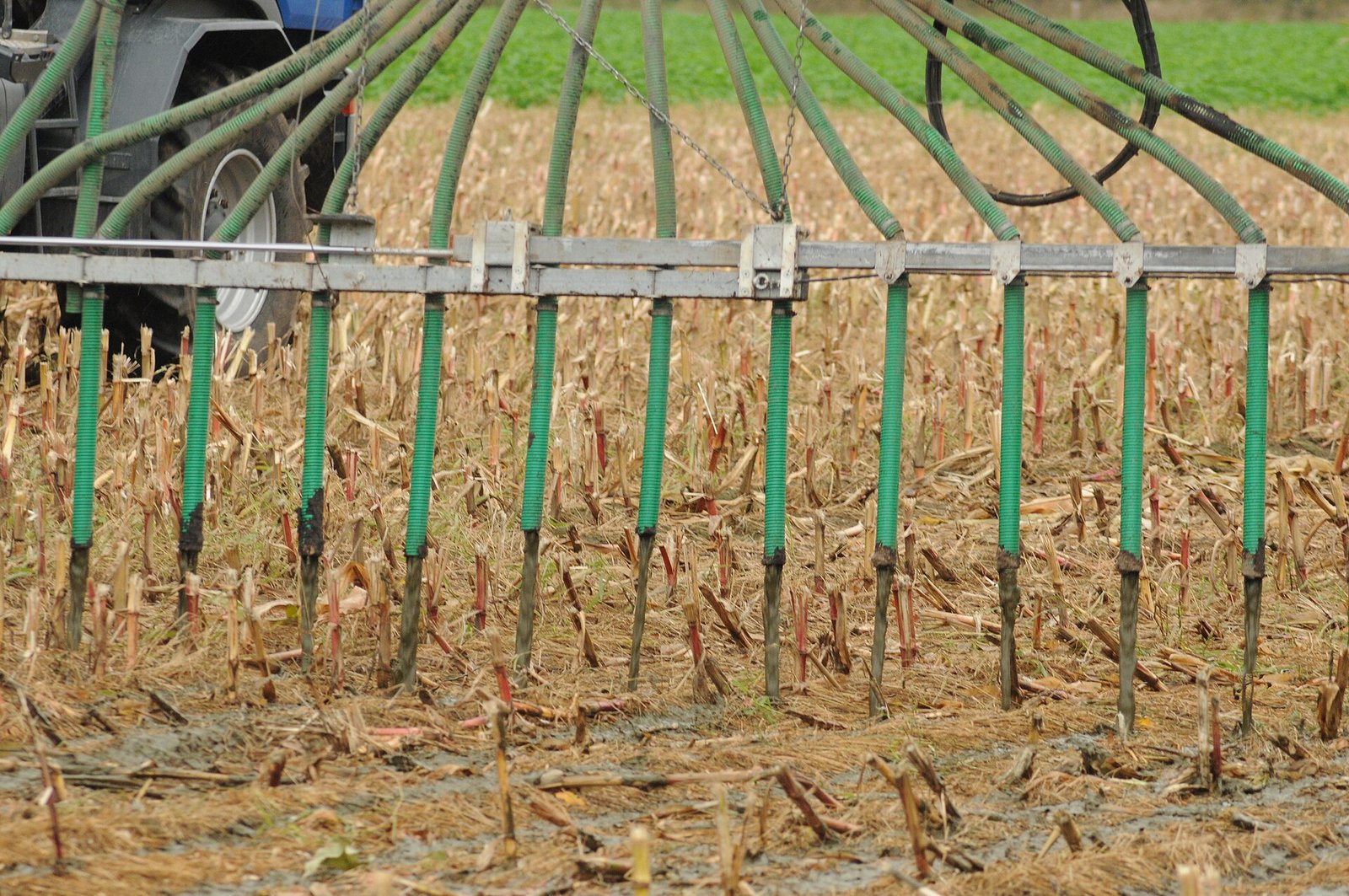 Matthias Winker / SuSanA Secretariat, CC BY 2.0.
 Joël Thibault, CC BY-SA 4.0.
 Zietz, CC BY 3.0 (Attribution 3.0 Unported).