Biosolids: which contaminants should we monitor?
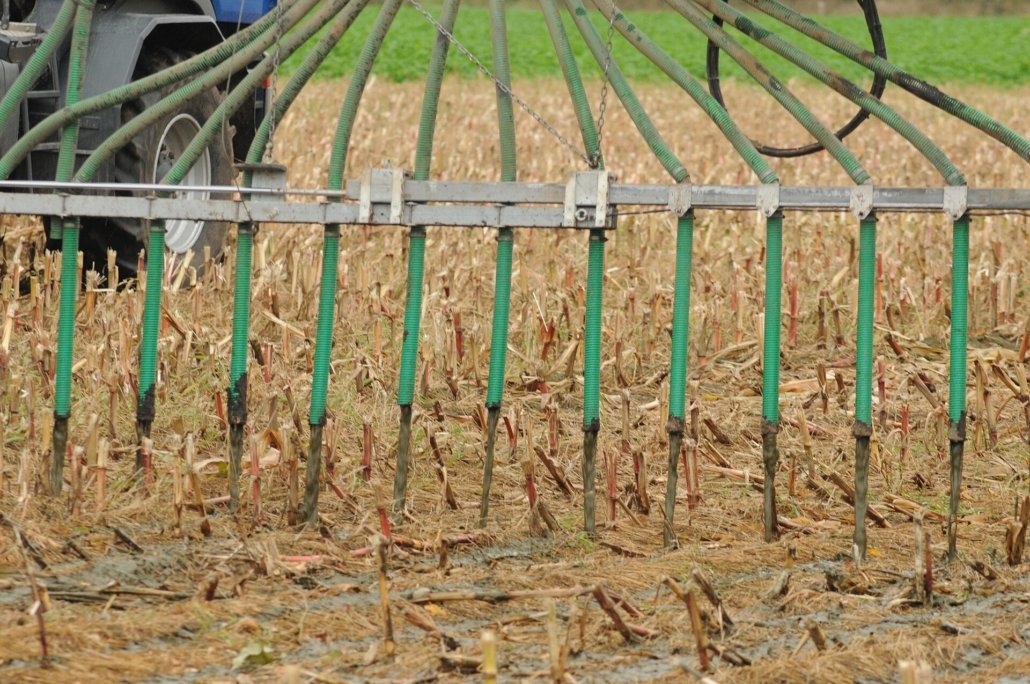 Matthias Winker / SuSanA Secretariat, CC BY 2.0.
An Australian study examines 47 compounds previously detected in biosolids and assesses which could accumulate in soil after repeated applications to farmland. Some PFAS, a pharmaceutical and two antimicrobials are among the most persistent.
by Matteo Cavallito
Some substances in biosolids can persist in soil long enough to build up when biosolids are applied repeatedly. That is one of the findings of a study by researchers at the University of New South Wales (UNSW) in Sydney, who examined a range of contaminants. The study, published in the Journal of Hazardous Materials, identified several persistent compounds, including some PFAS (per- and polyfluoroalkyl substances), carbamazepine, a drug used to treat epilepsy, among other conditions, the fragrance compounds galaxolide and tonalide, and the antimicrobials triclosan and triclocarban.
From wastewater treatment plants to farmland
Biosolids are produced by treating sewage sludge so it can be reused. According to UNSW, around 80% of the biosolids produced in Australia are applied to farmland, where they add organic matter and nutrients to the soil. The sludge can also contain residues from medicines, personal care products and industrial chemicals. After application, some of these substances tend to remain in the soil, while others can move into water.
“Even though biosolids have a really amazing benefit of being full of carbon, nitrogen and phosphorus, there is also a downside in that you’re potentially applying these contaminants”, explained Calvin He, the study’s lead author.
Initial concentrations can vary widely depending on the wastewater catchment and treatment plant. As the study notes, “sampling at the Wastewater Treatment Plant level would be required to determine the specific scenario that applies to the produced biosolids”.
Why the time between biosolids applications matters
The researchers estimated where the substances were likely to end up in the environment and compared their half-lives, or how long it takes for half of each substance to break down. Environmental conditions can substantially affect how long this takes. For gemfibrozil, a drug used to lower blood lipid levels, the reported median half-life was 21 days with oxygen and 603 days without it, based on 15 and three observations, respectively. Researchers then looked at how degradation times compared with the intervals between applications.
For the same amount of contaminant added per application, the shorter the interval between applications relative to the half-life, the greater the proportion of the contaminant that can remain in the soil by the time of the next application.
The study also “aggregated numerous observations of chemical degradation for multiple emerging contaminants spanning pharmaceuticals, personal care products, industrial chemicals and nitrosamines. The fugacity modelling of each emerging contaminant predicted their partitioning behavior, which instructed the preferred compartment for sampling and whether contaminant mobility would be likely”.
Triclosan and triclocarban are among the contaminants to monitor
Among the compounds studied, triclosan and triclocarban, two antimicrobials used in some personal care products, stand out for their persistence and for their reported concentrations in biosolids, which were several orders of magnitude higher than the benchmarks used in the preliminary assessment.
“While the study initially considered 47 emerging contaminants, it was not possible to determine if concentrations could eventually exceed the No Observed Effect Concentration for all given data limitations in the literature (e.g., degradation half-lives, concentrations in biosolids)”.
The authors add, “The screening approach provides a useful and simple method to identify emerging contaminants that may pose a long-term legacy risk that would limit the beneficial reuse of biosolids, and to develop targeted mitigation measures”.
Why testing in agricultural soils is needed
For 18 of the 47 substances, benchmarks were available from tests on aquatic organisms. The authors compared the order of magnitude of these benchmarks, expressed per litre of water, with that of the concentrations measured per kilogram of biosolids.
Determining whether the residues affect soil organisms will require soil sampling on farmland and targeted ecotoxicity tests. The findings can already guide monitoring at individual wastewater treatment plants. With local data, they can also help identify which intervals between applications would reduce the likelihood of accumulation.
 Joël Thibault, CC BY-SA 4.0.
 Zietz, CC BY 3.0 (Attribution 3.0 Unported).
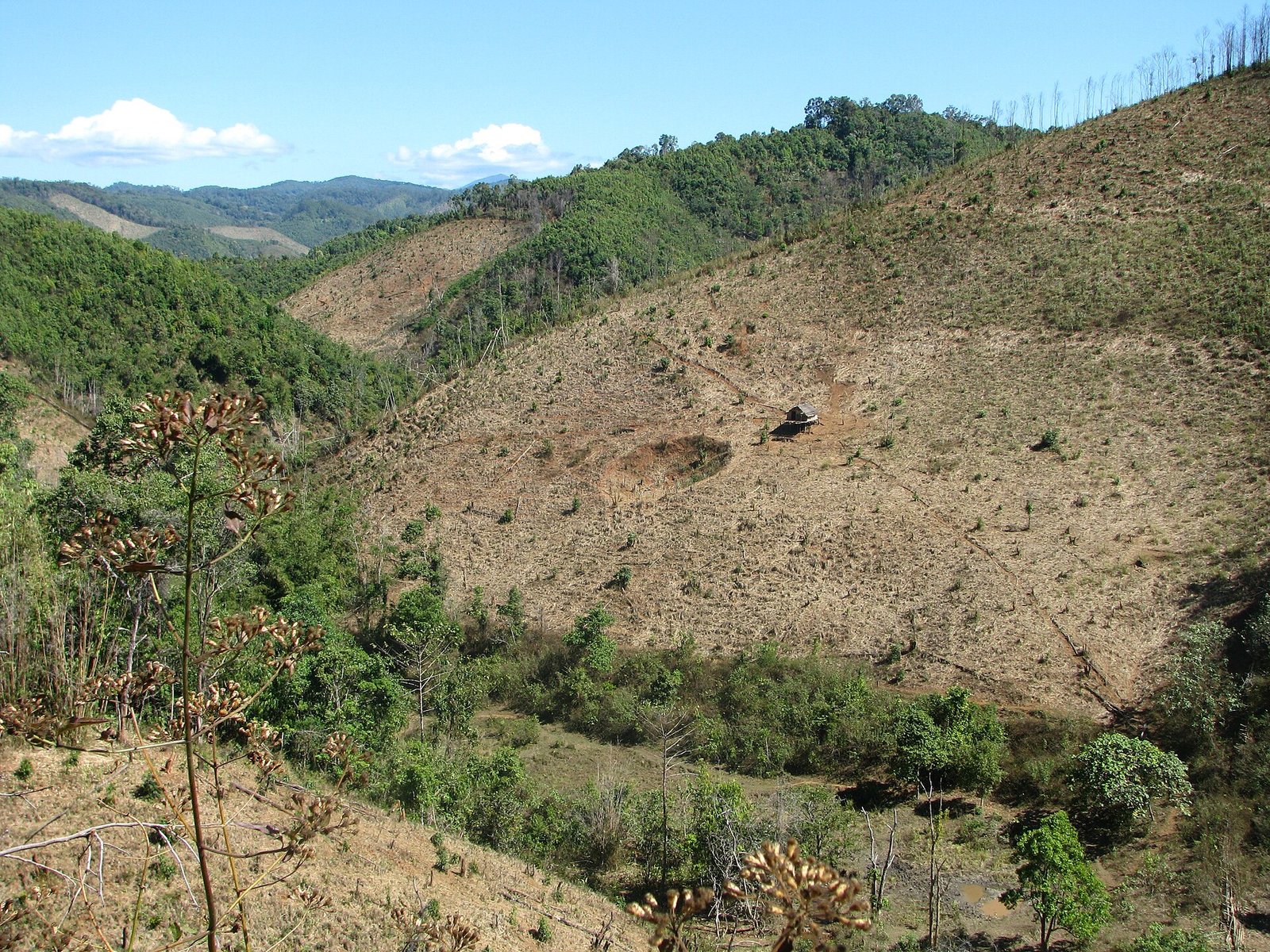 Photo: AusAID / Department of Foreign Affairs and Trade, CC BY 2.0