Posts
 pxhere CC0 Public Domain Free for personal and commercial use No attribution required
https://resoilfoundation.org/wp-content/uploads/2024/09/riso-3.jpg
1091
1458
Matteo Cavallito
https://resoilfoundation.org/wp-content/uploads/2020/01/logo_resoilfoundation.png
Matteo Cavallito2024-09-25 10:43:462024-09-30 10:51:59Irrigation of rice fields impacts on metal uptake
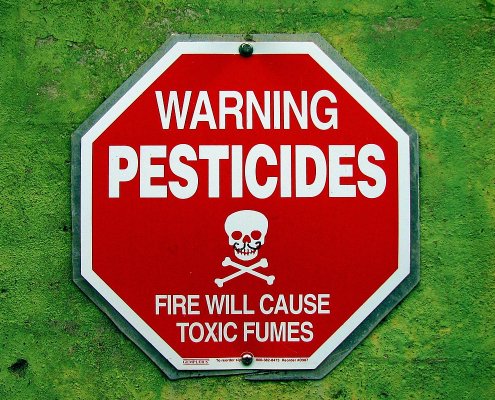 CGP Grey Attribution 2.0 Generic CC BY 2.0 Deed
https://resoilfoundation.org/wp-content/uploads/2024/09/pesticidi-1.jpg
800
1200
Matteo Cavallito
https://resoilfoundation.org/wp-content/uploads/2020/01/logo_resoilfoundation.png
Matteo Cavallito2024-09-09 15:01:542024-09-14 17:43:12Pesticides in the US are still full of PFAS
 © Copyright Peter Trimming ATTRIBUTION-SHAREALIKE 2.0 GENERIC CC BY-SA 2.0 Deed
https://resoilfoundation.org/wp-content/uploads/2024/06/lontre-1.jpg
561
1024
Matteo Cavallito
https://resoilfoundation.org/wp-content/uploads/2020/01/logo_resoilfoundation.png
Matteo Cavallito2024-06-20 11:00:272024-06-24 14:21:55Fluoride contamination affects British otters
 ajay_suresh CC BY 2.0 DEED Attribution 2.0 Generic
https://resoilfoundation.org/wp-content/uploads/2024/04/foreste-microplastiche-1.jpg
600
800
Matteo Cavallito
https://resoilfoundation.org/wp-content/uploads/2020/01/logo_resoilfoundation.png
Matteo Cavallito2024-04-08 11:00:132024-04-05 13:18:16Forests keep us from breathing in microplastics
 Jsayre64 CC BY-SA 3.0 DEED Attribution-ShareAlike 3.0 Unported
https://resoilfoundation.org/wp-content/uploads/2024/03/alaska-biochar-1.jpg
900
1200
Matteo Cavallito
https://resoilfoundation.org/wp-content/uploads/2020/01/logo_resoilfoundation.png
Matteo Cavallito2024-03-13 11:00:262024-03-14 18:26:37Alaska researchers use biochar to decontaminate soil from copper
 FWC Fish and Wildlife Research Institute CC BY-NC-ND 2.0 DEED Attribution-NonCommercial-NoDerivs 2.0 Generic
https://resoilfoundation.org/wp-content/uploads/2023/12/glifosato-1.jpg
531
800
Matteo Cavallito
https://resoilfoundation.org/wp-content/uploads/2020/01/logo_resoilfoundation.png
Matteo Cavallito2023-12-22 11:00:482023-12-27 11:18:58What if invasive weeds were winning the war against glyphosate?
 Pxhere CC0 Public Domain Free for personal and commercial use No attribution required
https://resoilfoundation.org/wp-content/uploads/2023/11/pascolo-1.jpg
969
1457
Matteo Cavallito
https://resoilfoundation.org/wp-content/uploads/2020/01/logo_resoilfoundation.png
Matteo Cavallito2023-11-23 11:16:302023-12-06 00:21:30Analysis of soil microbes is a major tool against antibiotic resistance
 Pxhere CC0 Public Domain Free for personal and commercial use No attribution required
https://resoilfoundation.org/wp-content/uploads/2023/10/api-polline-1.jpg
969
1460
Matteo Cavallito
https://resoilfoundation.org/wp-content/uploads/2020/01/logo_resoilfoundation.png
Matteo Cavallito2023-10-05 11:00:132023-10-09 09:27:50Pesticides persist in bee pollen, study says
 Photo: Fraser, Clayton B. Library of Congress Prints and Photographs Division Washington, D.C. 20540 USA Public Domain
https://resoilfoundation.org/wp-content/uploads/2023/09/inceneritore-1.jpg
900
1119
Matteo Cavallito
https://resoilfoundation.org/wp-content/uploads/2020/01/logo_resoilfoundation.png
Matteo Cavallito2023-09-21 11:00:522023-09-29 11:06:06Waste incineration leaves a heavy legacy in soils
 Credit: © Natural England/Steve Marston Attribution-NonCommercial-NoDerivs 2.0 Generic (CC BY-NC-ND 2.0)
https://resoilfoundation.org/wp-content/uploads/2023/09/fertilizzanti-3.jpg
600
800
Matteo Cavallito
https://resoilfoundation.org/wp-content/uploads/2020/01/logo_resoilfoundation.png
Matteo Cavallito2023-09-20 11:00:312023-09-29 11:06:02“There’s no Net Zero with nitrogen fertilizers”, Soil Association says