Posts
 Konstantinos Kourtidis Creative Commons Attribution-NonCommercial-ShareAlike 3.0 Unported (CC BY-NC-SA 3.0)
https://resoilfoundation.org/wp-content/uploads/2024/07/respirazione-suolo-1.jpg
1200
1600
Matteo Cavallito
https://resoilfoundation.org/wp-content/uploads/2020/01/logo_resoilfoundation.png
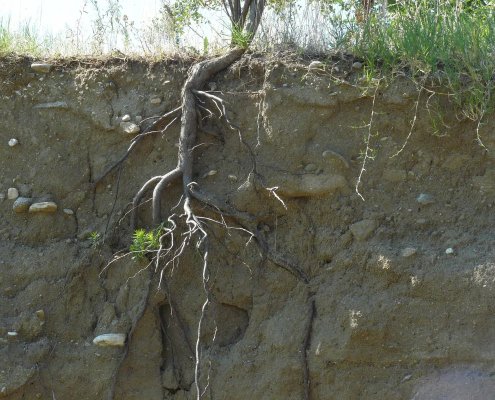
Matteo Cavallito2024-07-19 11:00:562024-07-20 22:33:41How global warming affects soil respiration
 olive jion ATTRIBUTION-SHAREALIKE 3.0 UNPORTED CC BY-SA 3.0 Deed
https://resoilfoundation.org/wp-content/uploads/2024/06/cina-foreste-1.jpg
719
1200
Matteo Cavallito
https://resoilfoundation.org/wp-content/uploads/2020/01/logo_resoilfoundation.png
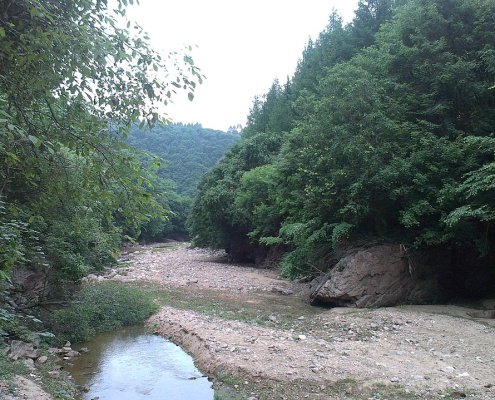
Matteo Cavallito2024-06-17 11:39:422024-06-24 14:21:47Mixed forests are less vulnerable to soil acidification
 https://resoilfoundation.org/wp-content/uploads/2024/06/australia-incendi.jpg
900
1200
Matteo Cavallito
https://resoilfoundation.org/wp-content/uploads/2020/01/logo_resoilfoundation.png
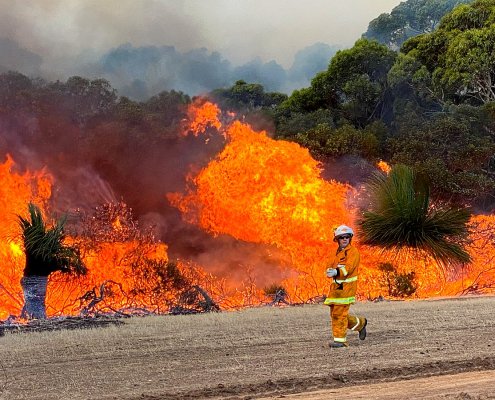
Matteo Cavallito2024-06-10 11:00:512024-06-17 16:34:30The impact of wildfires on understorey and biodiversity rises in Australia
 Stuart Rankin CC BY-NC 2.0 DEED Attribution-NonCommercial 2.0 Generic
https://resoilfoundation.org/wp-content/uploads/2024/06/alberi.jpg
533
799
Matteo Cavallito
https://resoilfoundation.org/wp-content/uploads/2020/01/logo_resoilfoundation.png
Matteo Cavallito2024-06-03 11:00:102024-06-04 10:04:54This is how canopies affect the distribution of soil nutrients
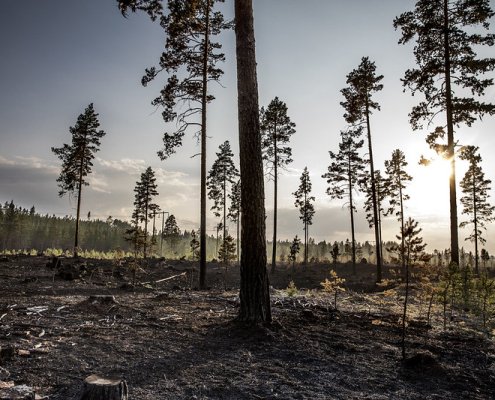 © European Union (photo by Pavel Koubek) CC BY-NC-ND 2.0 DEED Attribution-NonCommercial-NoDerivs 2.0 Generic
https://resoilfoundation.org/wp-content/uploads/2024/05/incendi-1.jpg
533
799
Matteo Cavallito
https://resoilfoundation.org/wp-content/uploads/2020/01/logo_resoilfoundation.png
Matteo Cavallito2024-05-29 11:00:422024-06-04 10:05:05Soil, wildfires and recovery: how much do we know?
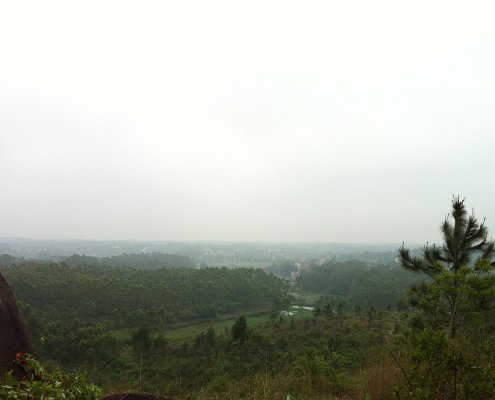 Photo: 揭英明 CC BY-SA 3.0 DEED Attribution-ShareAlike 3.0 Unported
https://resoilfoundation.org/wp-content/uploads/2024/05/cina-foreste-1.jpg
896
1200
Matteo Cavallito
https://resoilfoundation.org/wp-content/uploads/2020/01/logo_resoilfoundation.png
Matteo Cavallito2024-05-20 11:00:492024-05-22 15:06:09How organic carbon accumulates in acidified forest soils
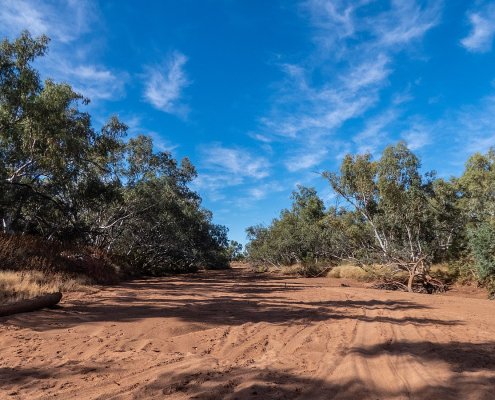 John Robert McPherson CC BY-SA 4.0 DEED Attribution-ShareAlike 4.0 International
https://resoilfoundation.org/wp-content/uploads/2024/05/foresta-australia-2.jpg
900
1200
Matteo Cavallito
https://resoilfoundation.org/wp-content/uploads/2020/01/logo_resoilfoundation.png
Matteo Cavallito2024-05-03 11:00:052024-05-06 09:16:56Forest regeneration in Australia does not influence CO2 sequestration
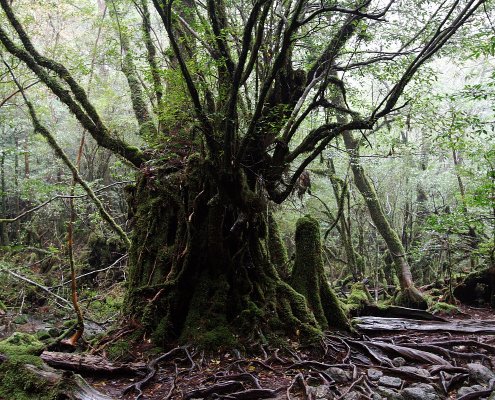 KimonBerlin CC BY-SA 2.0 DEED
https://resoilfoundation.org/wp-content/uploads/2024/04/cedri-Yakushima-1.jpg
800
1200
Matteo Cavallito
https://resoilfoundation.org/wp-content/uploads/2020/01/logo_resoilfoundation.png
Matteo Cavallito2024-04-22 11:00:422024-05-06 09:16:28In canopy soils there is an undiscovered biodiversity
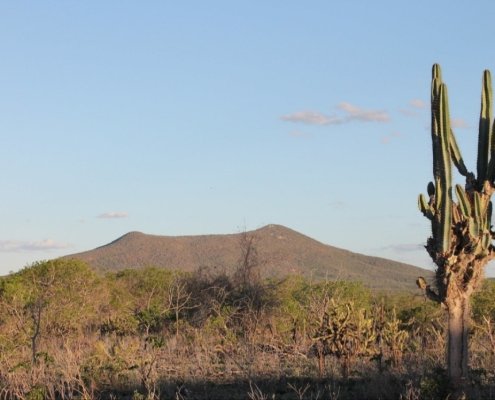 Cesar Coelho CC BY-SA 4.0 DEED Attribution-ShareAlike 4.0 International
https://resoilfoundation.org/wp-content/uploads/2024/04/suolo-arido-brasile-1.jpg
748
1080
Matteo Cavallito
https://resoilfoundation.org/wp-content/uploads/2020/01/logo_resoilfoundation.png
Matteo Cavallito2024-04-17 12:38:342024-04-18 10:45:04Return of microbes certifies soil restoration in Brazil
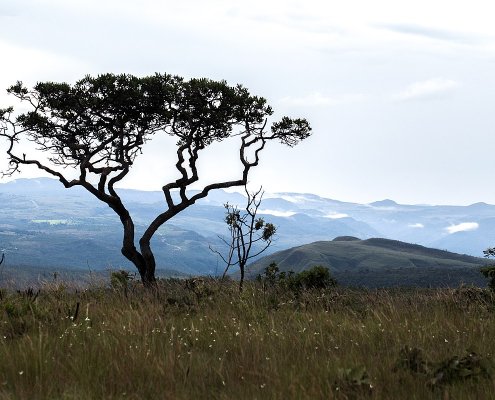 Eliane de Castro CC BY-SA 4.0 DEED Attribution-ShareAlike 4.0 International
https://resoilfoundation.org/wp-content/uploads/2024/04/biodiversita-brasile-1.jpg
800
1200
Matteo Cavallito
https://resoilfoundation.org/wp-content/uploads/2020/01/logo_resoilfoundation.png
Matteo Cavallito2024-04-10 11:00:522024-04-17 13:08:23When restoring ecosystems, biodiversity is the key