Posts
 George Shepherd Attribution-NonCommercial-ShareAlike 2.0 Generic CC BY-NC-SA 2.0 Deed
https://resoilfoundation.org/wp-content/uploads/2024/11/foreste-1.jpg
479
800
Matteo Cavallito
https://resoilfoundation.org/wp-content/uploads/2020/01/logo_resoilfoundation.png
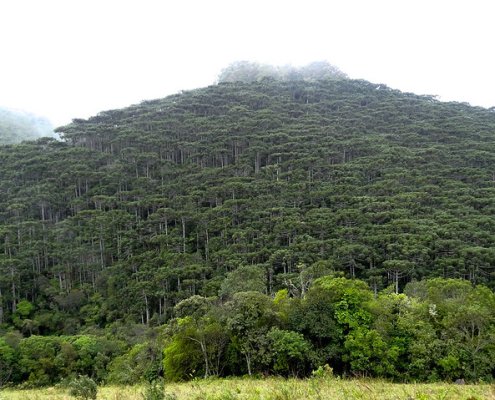
Matteo Cavallito2024-11-25 14:58:372024-11-29 15:15:19Forests restored by nature can sequester 23 billion tonnes of CO2
 Marcelo Castro Attribution 3.0 Unported CC BY 3.0 Deed
https://resoilfoundation.org/wp-content/uploads/2024/10/amazzonia-1.jpg
900
1200
Matteo Cavallito
https://resoilfoundation.org/wp-content/uploads/2020/01/logo_resoilfoundation.png
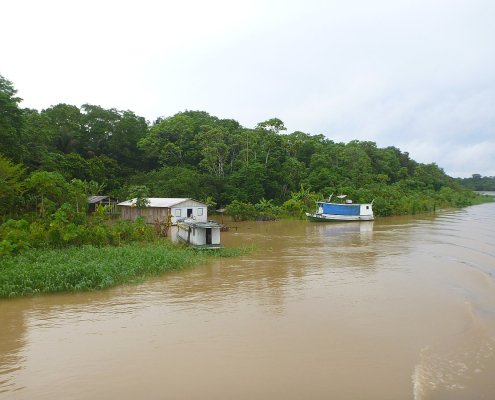
Matteo Cavallito2024-10-29 11:00:422024-11-04 10:27:34Climate change may decrease methane sequestration in the Amazon by 70%
 https://resoilfoundation.org/wp-content/uploads/2024/09/foreste-tropicali-1.jpg
531
800
Matteo Cavallito
https://resoilfoundation.org/wp-content/uploads/2020/01/logo_resoilfoundation.png
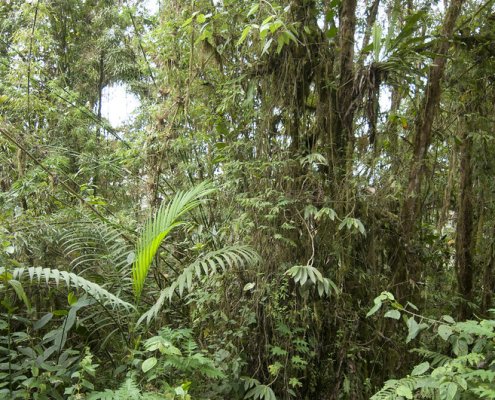
Matteo Cavallito2024-09-23 12:26:332024-09-30 10:51:53Heat and drought drive carbon loss in tropical forests
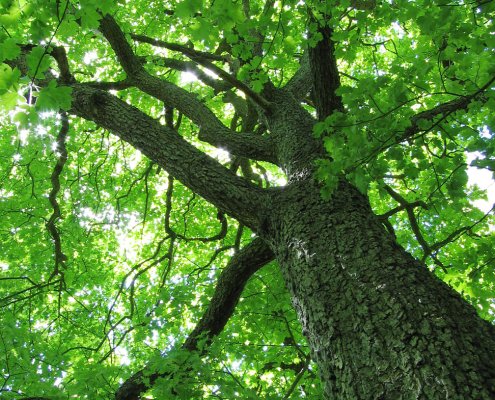 Photo: Andrew Dunn Attribution-ShareAlike 2.0 Generic CC BY-SA 2.0 Deed
https://resoilfoundation.org/wp-content/uploads/2024/09/albero-ciavardello-1.jpg
1296
972
Matteo Cavallito
https://resoilfoundation.org/wp-content/uploads/2020/01/logo_resoilfoundation.png
Matteo Cavallito2024-09-10 11:00:002024-09-14 17:42:54Nanoplastics reduce photosynthesis capacity in trees
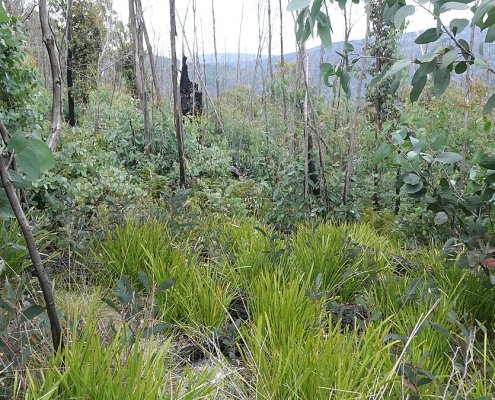 Photo: Neb Attribution-ShareAlike 4.0 International CC BY-SA 4.0 Deed
https://resoilfoundation.org/wp-content/uploads/2024/09/Ripristino-foreste-1.jpg
675
1200
Matteo Cavallito
https://resoilfoundation.org/wp-content/uploads/2020/01/logo_resoilfoundation.png
Matteo Cavallito2024-09-04 10:44:542024-09-05 13:17:59Mixed forest regeneration optimises carbon sequestration
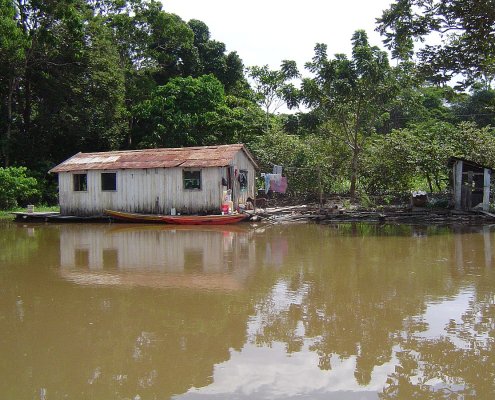 Photo: James Martins Attribution 3.0 Unported CC BY 3.0 Deed
https://resoilfoundation.org/wp-content/uploads/2024/08/amazzonia.jpg
900
1200
Matteo Cavallito
https://resoilfoundation.org/wp-content/uploads/2020/01/logo_resoilfoundation.png
Matteo Cavallito2024-08-16 11:00:092024-07-31 18:38:36Indigenous communities in the forest pay the price of drought
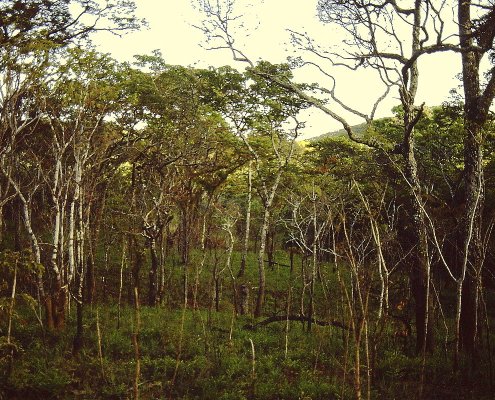 Lichinga ATTRIBUTION-SHAREALIKE 4.0 INTERNATIONAL CC BY-SA 4.0 Deed
https://resoilfoundation.org/wp-content/uploads/2024/08/miombo-mozambico.jpg
800
1200
Matteo Cavallito
https://resoilfoundation.org/wp-content/uploads/2020/01/logo_resoilfoundation.png
Matteo Cavallito2024-08-05 11:00:202024-07-25 23:03:59Mozambique’s forests store more carbon than expected
 https://resoilfoundation.org/wp-content/uploads/2024/07/amazzonia-brasiliana.jpg
797
1200
Matteo Cavallito
https://resoilfoundation.org/wp-content/uploads/2020/01/logo_resoilfoundation.png
Matteo Cavallito2024-07-31 11:00:312024-07-25 23:03:35Amazon, land protection initiatives have reduced deforestation by 83%
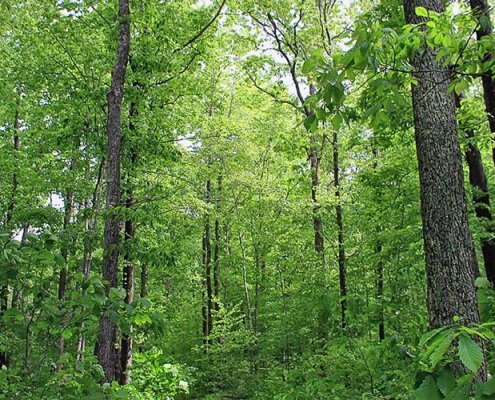 USDA Nicholas A Toneli Creative Commons; Attribution 2.0 Generic (CC BY 2.0)
https://resoilfoundation.org/wp-content/uploads/2024/07/foresta-carbonio.jpg
500
900
Matteo Cavallito
https://resoilfoundation.org/wp-content/uploads/2020/01/logo_resoilfoundation.png
Matteo Cavallito2024-07-29 11:00:452024-07-25 23:02:27Forests still offset half of global fossil emissions
 Philippe Semanaz ATTRIBUTION-SHAREALIKE 2.0 GENERIC CC BY-SA 2.0 Deed
https://resoilfoundation.org/wp-content/uploads/2024/07/foreste-tibet-1.jpg
600
800
Matteo Cavallito
https://resoilfoundation.org/wp-content/uploads/2020/01/logo_resoilfoundation.png
Matteo Cavallito2024-07-25 11:00:022024-07-25 23:02:10Mixed forests are more prone to carbon sequestration