Tree cavities protect animals from extreme temperatures
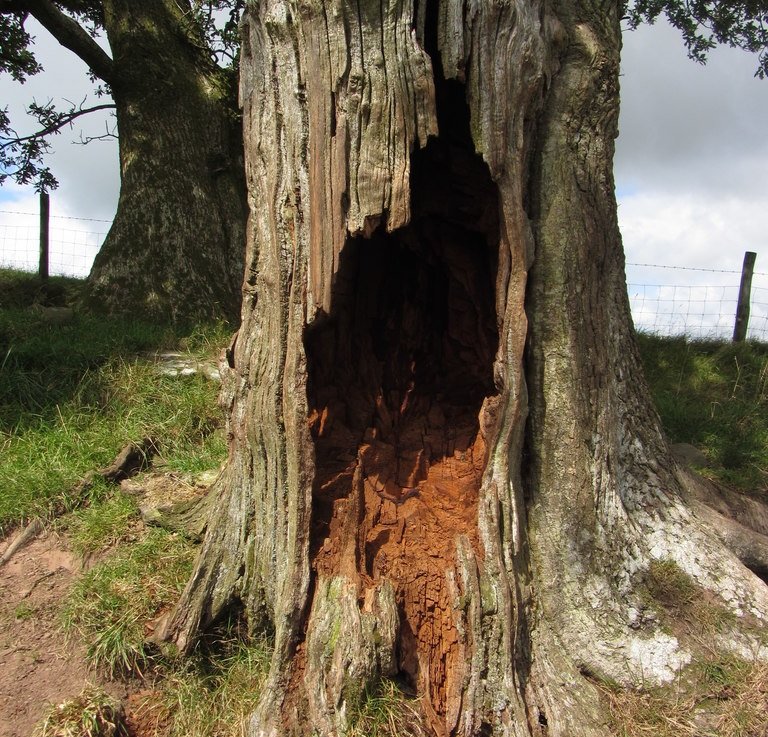 Gareth James CC BY-SA 2.0 Attribution-ShareAlike 2.0 Generic
 Analyzing data collected across five continents, University of Illinois researchers measured how tree cavities buffer both extreme heat and cold, providing shelter for wildlife
by Matteo Cavallito
Cavities in trees offer animals more than a place to nest or hide: they also provide protection from extreme temperatures. When it is very hot outside, the air inside remains cooler; when it is cold, the cavities retain more heat. That is the main finding of a study published in Forest Ecology and Management.
The research, conducted by scientists at the University of Illinois Urbana-Champaign, brought together and analyzed temperature measurements reported in the scientific literature. The finding highlights another role trees play for wildlife as climate extremes make sheltered sites increasingly important.
A refuge from extreme weather
Increasingly frequent heatwaves and other extreme events threaten many species. Animals can respond by changing their behavior, moving elsewhere or seeking shelter in less exposed places. Tree cavities are among those places: as the researchers note, they “may serve as climate refugia for bats, birds, and other animals”.
Their ability to buffer outside temperatures was already known. What was missing, however, was a quantitative analysis bringing together findings from studies conducted in different locations.
To address that gap, the authors reviewed the scientific literature to test two hypotheses: that cavities remain cooler during the hottest part of the day and warmer at night during colder periods. A clearer understanding of this effect could help identify trees that deserve particular attention in conservation efforts. As the study notes, cavities suitable for some species can take decades or even centuries to form.
More than 4°C cooler on hot days
The researchers examined 36 studies spanning five continents and 65 years, most of them focused on cavities used by birds and bats. From these studies, they extracted around 200 observations comparing temperatures inside cavities with those outside. Across all available measurements, “daily maximum temperatures inside tree cavities were 2.7°C cooler than daily maximum ambient temperature”.
On 44 hot days, when the maximum outside air temperature was at least 30°C, temperatures inside tree cavities were on average 4.1°C lower than outside.
The cavities also buffered cold temperatures: “Furthermore, minimum temperatures inside tree cavities were 2.8°C warmer than daily minimum”. On 84 cool days, when the minimum outside air temperature was 10°C or lower, temperatures inside the cavities were on average 3.1°C higher than outside. In some cases, the temperature difference can be greater still, senior study author Joy O’Keefe explains in a news release, “with some larger or deeper cavities staying up to 15 degrees cooler”.
Protecting trees helps protect wildlife
The temperature measurements alone cannot establish how much tree cavities reduce animal mortality during a heatwave. Although the review covers studies from five continents, data are still lacking on cavity temperatures in South America, Asia and much of Africa. Further research using comparable methods is therefore needed, particularly in biodiverse Global South.
The available evidence nevertheless offers another reason to conserve trees, especially large or old ones that provide more shelter. “Conservation efforts must ensure the availability of suitable trees, especially trees with complex cavities, in a changing climate”, the authors explain. Protecting these trees helps preserve the refuges on which cavity-dwelling wildlife may depend.

 Quintin Soloviev, CC BY 4.0