Seventy percent of agricultural land in Europe contaminated with pesticides
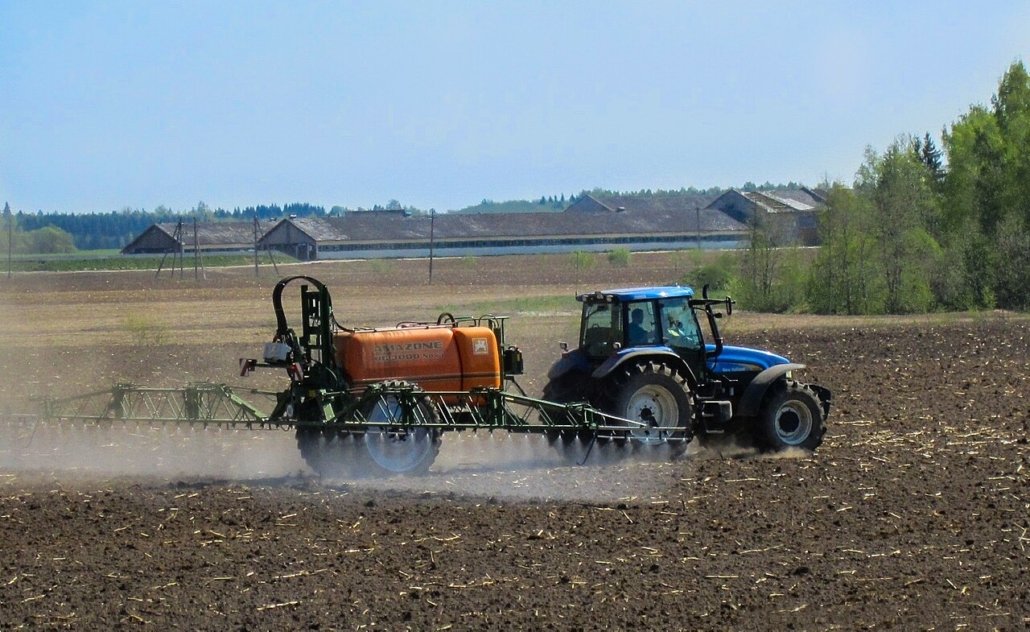 Maasaak: Attribution-ShareAlike 4.0 International CC BY-SA 4.0 Deed
 University of Zurich findings: seven out of ten crop soils in Europe are polluted with pesticides that have a significant impact on the biodiversity of microbial communities. Fungicides are responsible for more than half of the residues detected
by Matteo Cavallito
Pesticide contamination in Europe “has a major impact on various beneficial soil organisms, such as mycorrhizal fungi and nematodes, impairing their biodiversity.” This was stated by Marcel van der Heijden, professor at the Department of Plant and Microbial Biology at the University of Zurich (UZH) and one of the leaders of a study conducted with an international research team. The investigation, published in Nature, provided “the first comprehensive quantitative evidence” of the prevalence and effect of these substances in the continent land. Ultimately, the research found that almost three-quarters of European soil is now contaminated.
Fungicides top the list
The study, conducted by a group of scientists from 10 European research institutes, including the JRC, the University of Vigo in Spain, and the University of Zurich, assessed the effects of 63 common pesticides on a total of 373 soil samples collected from fields, forests, and meadows in 26 European countries. In total, the research explains, “Pesticide residues were detected in 70% of sites and emerged as the second strongest driver of soil biodiversity patterns after soil properties.”
Fungicides top the ranking by product category, accounting for 54% of the substances identified by the researchers. They are followed by herbicides (35%) and insecticides (11%).
The most common active ingredient was the herbicide glyphosate, a compound that has long been under scrutiny by scientists and environmentalists and whose use has been authorized in the EU until the end of 2033. This decision has sparked controversy. Most of the pesticides, the authors point out, were found in agricultural fields, although their presence was also detected in forests and meadows, highlighting the effect of spray drift.
The impact on biodiversity
In addition to targeting pests and thus protecting crops, pesticides can also damage soil microorganisms, drastically altering living communities. “Our analysis further revealed organism- and function-specific patterns, emphasizing complex and widespread non-target effects on soil biodiversity,” the authors explain.
Morever, they add, “Pesticides altered microbial functions, including phosphorus and nitrogen cycling, and suppressed beneficial taxa, including arbuscular mycorrhizal fungi and bacterivore nematodes.”
Mycorrhizal fungi, in particular, play a crucial role in the soil ecosystem as they connect to crop roots and help them absorb water and nutrients. In general, the study continues, the residues of these substances alter soil functionality by reducing its ability to release and absorb nutrients such as phosphorus and nitrogen. This phenomenon has to be offset by additional fertilization in order to maintain yields.
We need to expand assessments of the impact of pesticides
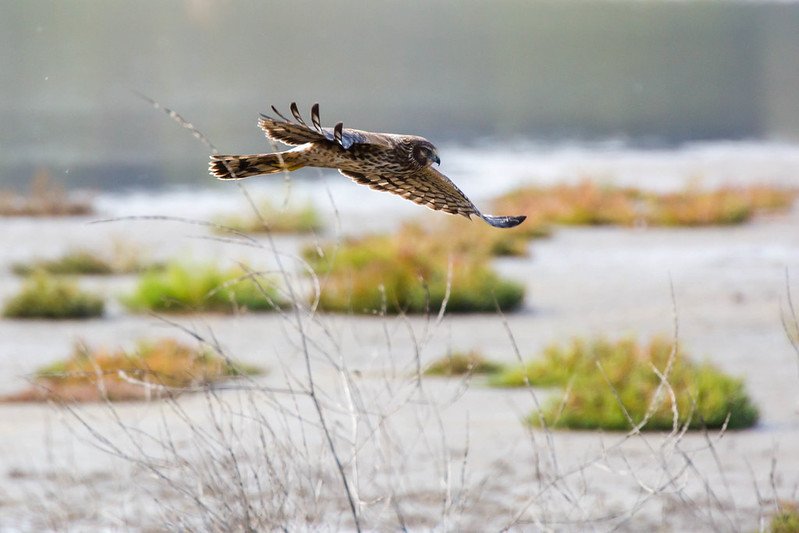
Finally, the research highlights how the harmful effects of various pesticides also affect other species such as birds, bees, and insects. This has a very significant and long-term environmental impact, given the prolonged time required for pesticide degradation.
To protect soil ecosystems, therefore, it is necessary to expand eco-toxicological assessments. This involves examining not only their effects on individual species but also those at the community and functional levels. The results of the research, therefore, “highlight the need to integrate functional and taxonomic characteristics into future risk assessment methodology,” the scientists conclude. In order “to safeguard soil biodiversity, a cornerstone of ecosystem functioning.”
 Jonathan Wilkins Attribution-ShareAlike 3.0 Unported CC BY-SA 3.0 Deed
  Melissa McMasters Attribution 2.0 Generic CC BY 2.0 Deed