
FAO Launches the Global Soil Biodiversity Observatory
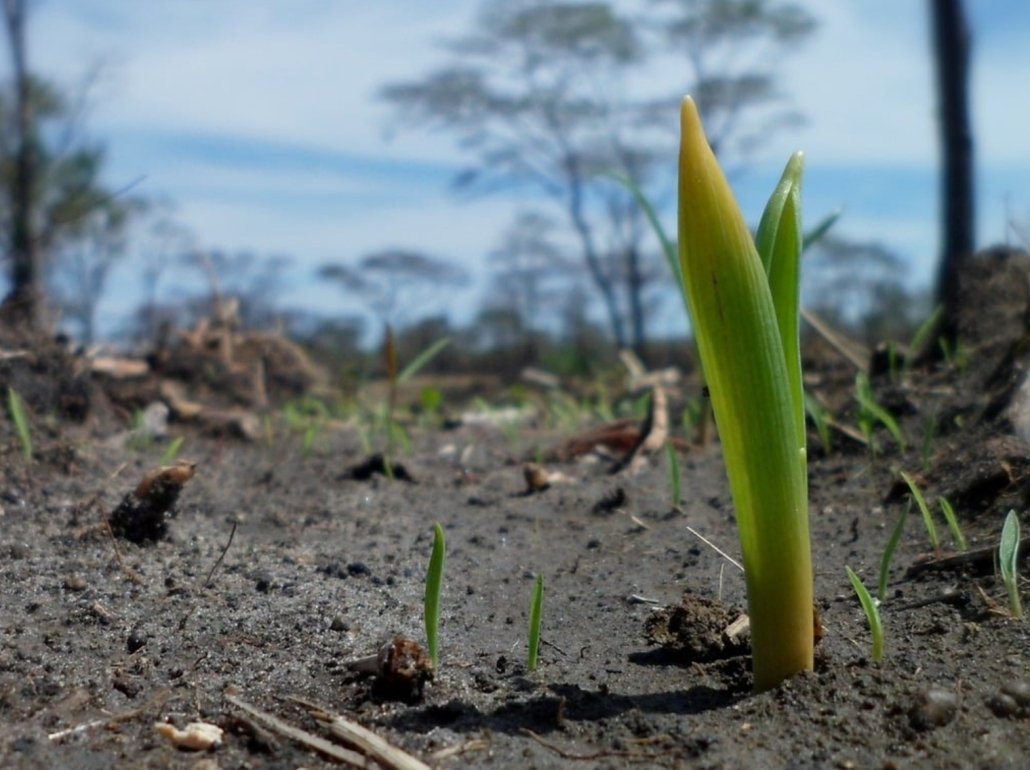 Pixabay, published prior to July 2017 under the Creative Commons CC0 1.0 Universal Public Domain Dedication license
The UN agency unveils new project to expand monitoring capacity and provide a scientific foundation for biodiversity protection and sustainable soil use
by Matteo Cavallito
Measuring, monitoring, and protecting soil biodiversity on a global scale: these are the goals of the new Global Soil Biodiversity Observatory (GLOSOB), an initiative created by the FAO aiming to serve as a hub for scientific collaboration and policy-making in the field of conservation. The program was launched following the outcomes of the UN Biodiversity Conference (COP 15) held in Montreal in 2022, which established “new set of goals to guide global action through 2030 to halt and reverse nature loss.”
A new approach
GLOSOB, its promoters explain, seeks to overcome the limitations of existing platforms, which suffer from a lack of standardized monitoring protocols and concrete strategies to integrate soil biodiversity into national policies. “Current initiatives often operate as a bottom-up network, and coordinate researchers and link ongoing projects to standardize and harmonize soil biodiversity measurements across various ecosystems,” says an article published in Nature Ecology & Evolution.
In contrast, GLOSOB adopts a top-down approach, identifying soil biodiversity hotspots and key monitoring areas. This allows for the collection of strategic and globally representative data on soil biodiversity.
By engaging institutions and researchers from different countries, the Observatory will play a key role in monitoring biodiversity and providing a scientific foundation for initiatives aimed at biodiversity protection and sustainable soil use. “The country-driven framework will ensure that soil biodiversity observations are guided by policy needs, are coordinated, enable the prediction of biodiversity change, and provide policy options to guide actions,” the article continues.
The goal: expanding soil measurement capacity
At the core of the initiative is the definition of standard indicators, known as Essential Biodiversity Variables (EBVs), that can be adopted by all countries. To date, the Convention on Biological Diversity (CBD)—the key international treaty on the subject adopted in 1992—recognizes only two indicators: the agrobiodiversity index and changes in organic carbon stocks.
“However, these represent only a limited assessment, and the full complexity of soil biodiversity and metabolic interactions that regulate biogeochemical cycles and other ecosystem functions are not being considered,” the article notes.
As an alternative, GLOSOB proposes a three-tiered system to measure a wider range of EBVs, including, for example, the study of soil organisms—such as nematodes, arthropods, bacteria, and fungi—and their ecological functions. This would expand the capacity to measure soil chemical and enzymatic properties, as well as more complex components like nutrient cycles and microbial diversity through metagenomics.
“An essential link between research and biodiversity governance”
The operational phase of GLOSOB “includes collecting samples, measuring EBVs, recording data in a shareable database, implementing soil biodiversity conservation practices and building capacity to advance to the next tier.” Each country—through contributions from academic researchers, NGOs, Indigenous communities, and government officials—will be responsible for the subsequent steps. These include assessing national capacities, identifying monitoring sites (including agricultural, natural, and urban soils), and allocating resources.
The final phase will involve “interpretation of GLOSOB soil biodiversity data to provide reports and progress to parties, and give policymakers the information needed to promote sustainable practices.”
The project, the authors conclude, “represents a critical step in addressing global challenges related to soil biodiversity and ecosystem health.” It also aims to harmonize diverse scientific contributions. In doing so, “GLOSOB enhances the capacity of countries to monitor, report and implement soil biodiversity conservation practices, which makes it an essential link between research networks and global biodiversity governance.”
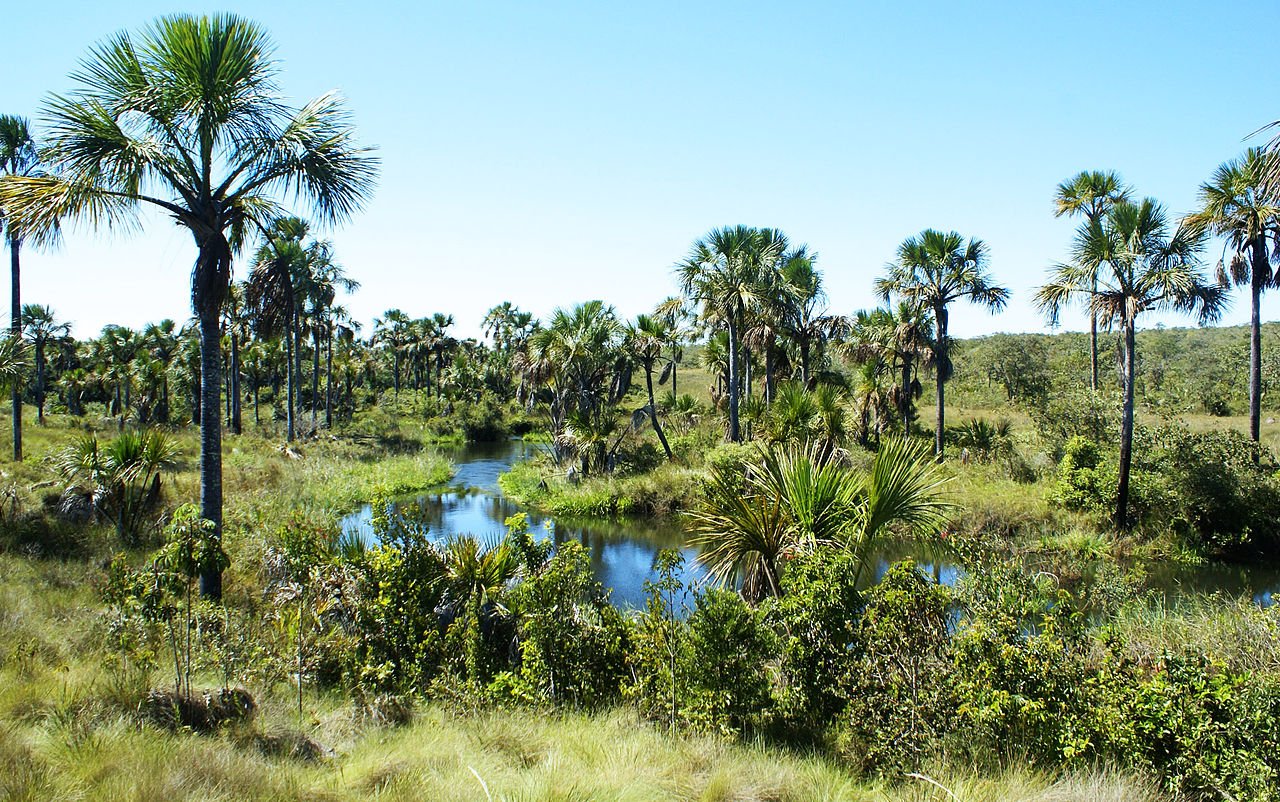 Thpelin Attribution-ShareAlike 3.0 Unported CC BY-SA 3.0 Deed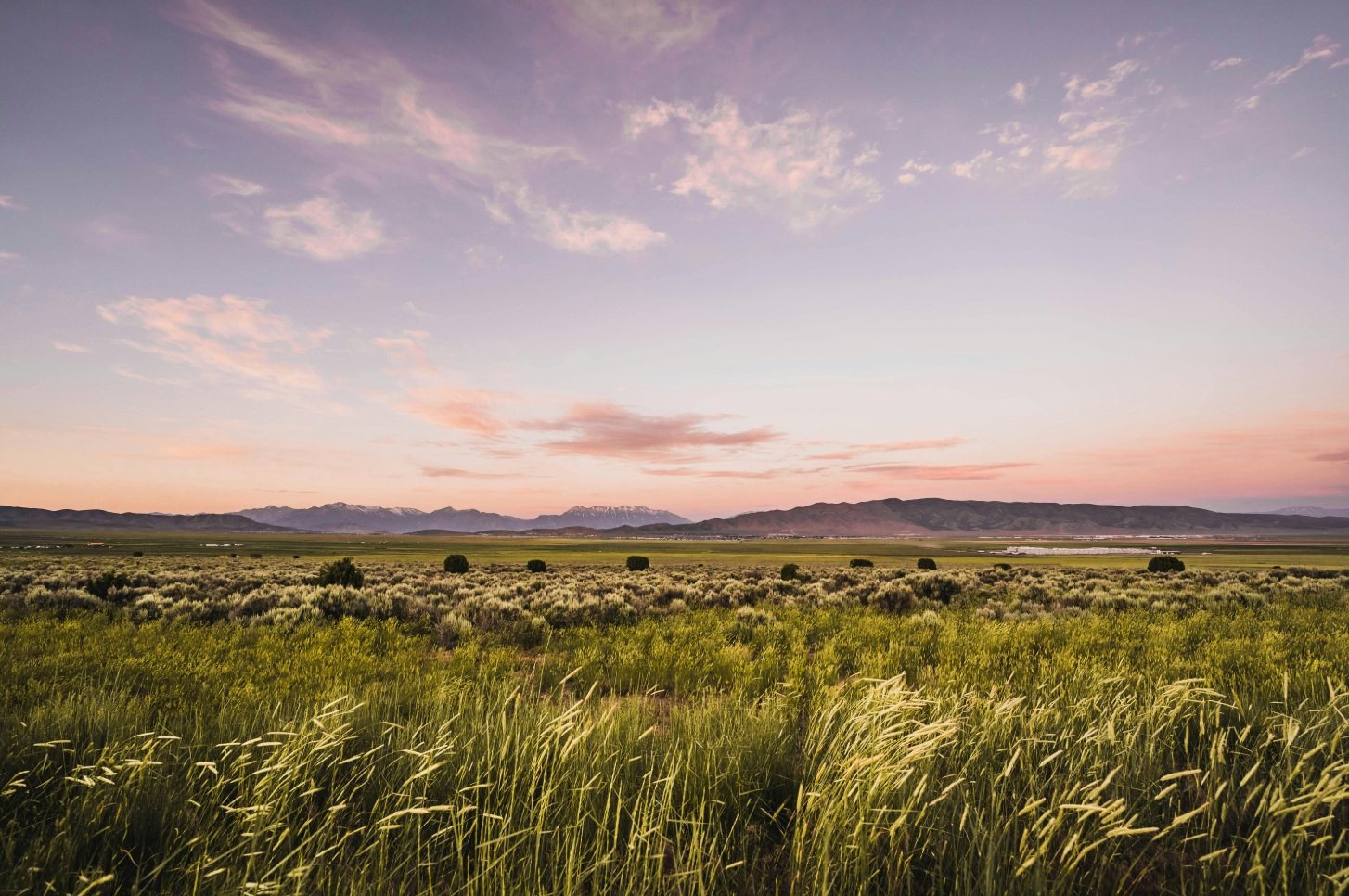
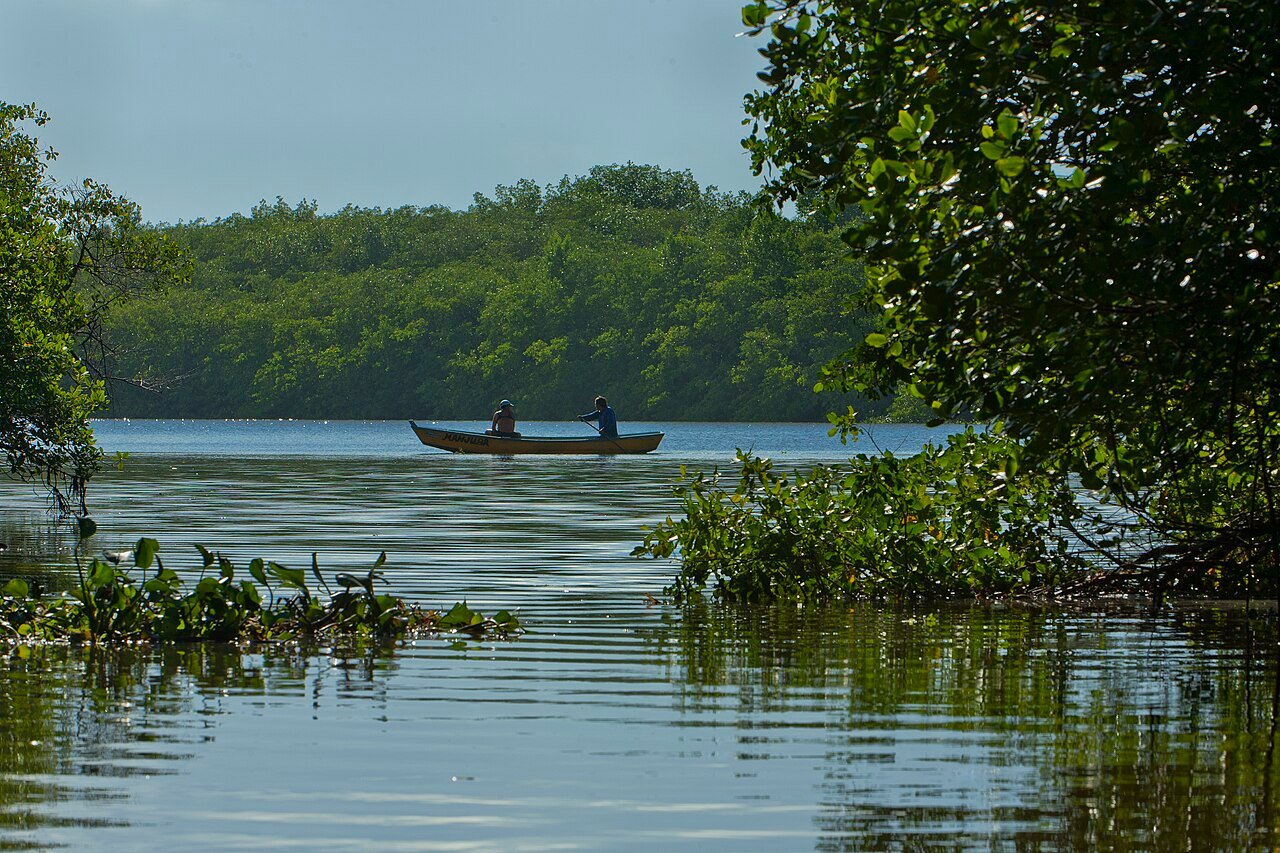 Jonathan Wilkins Attribution-ShareAlike 3.0 Unported CC BY-SA 3.0 Deed


