Land use change poses a risk to human health
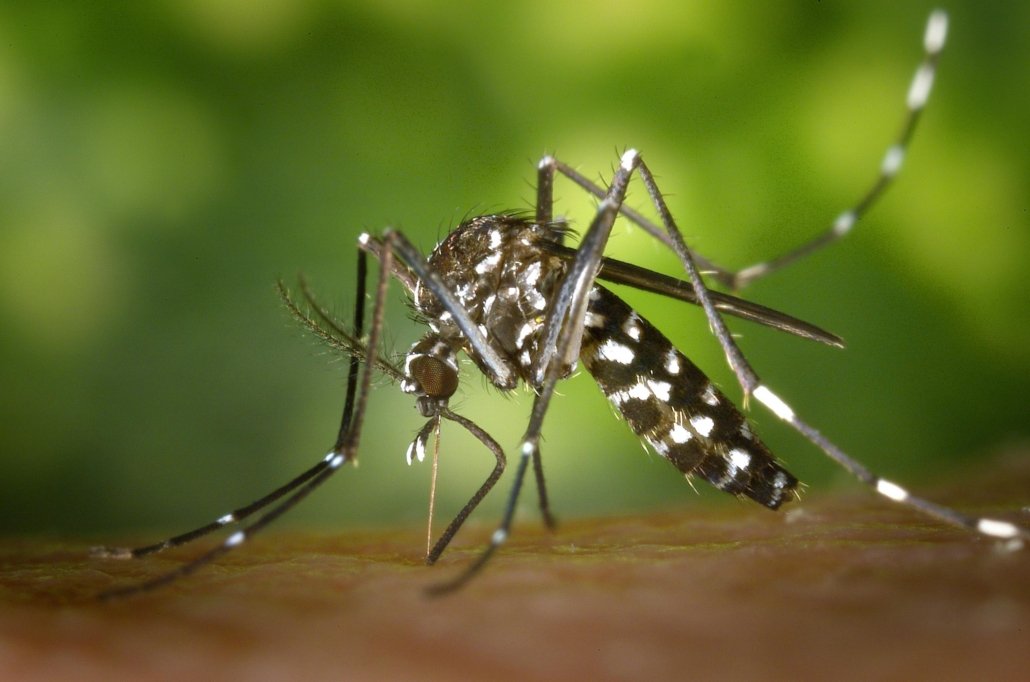 Photo: Pexels free to use CC0
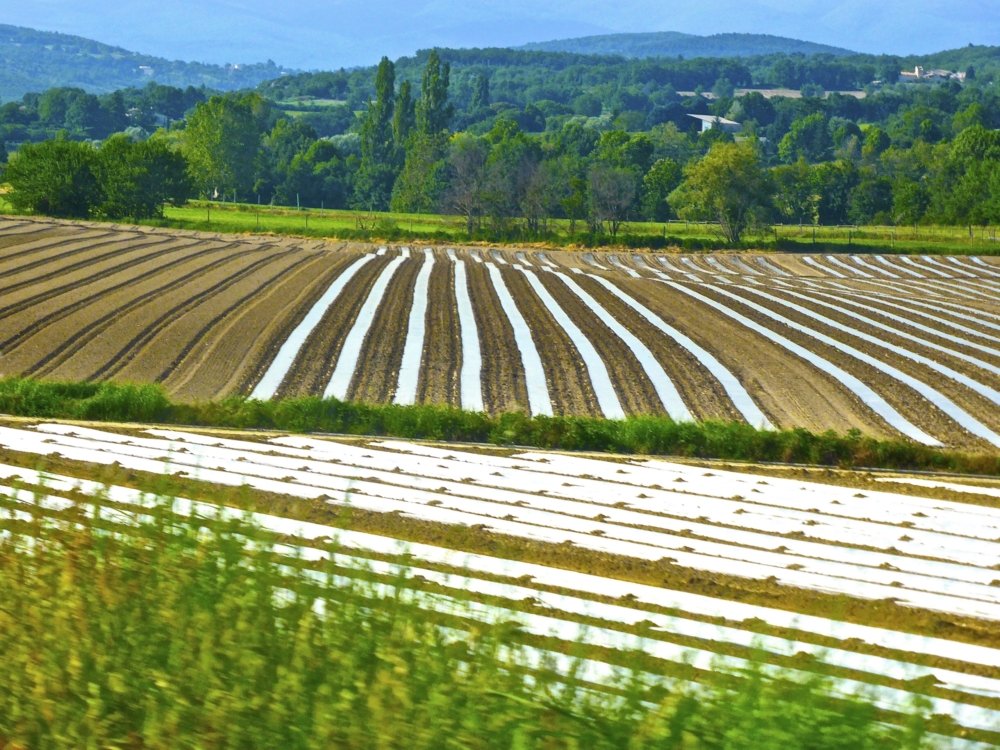
 Actions that impact the soil, such as deforestation, intensive agriculture, urbanization, and habitat fragmentation, stimulate the spread of diseases transmitted by rodents, bats, and mosquitoes, according to a study by Stirling University
by Matteo Cavallito
Changes in land use can increase the transmission of diseases from animals to humans. This is suggested by research conducted by Stirling University in the United Kingdom, which highlights the importance of factors such as deforestation, agriculture, rapid urban growth, and habitat fragmentation in promoting the spread of zoonotic diseases, such as COVID-19, malaria, and, in particular, those transmitted by mosquitoes, rodents, and bats.
The study, carried out in cooperation with Bangor University and with the contribution of the International Society for Infectious Diseases, has shown that certain changes can bring humans and wildlife closer together, compromising the natural ecological barriers that usually limit the transmission of pathogens.
Interventions on soil promote the transmission of diseases
Although investment in restoring degraded environments and mitigating climate change and loss of biodiversity is increasing globally, at present, “we still know surprisingly little about whether restoration reduces disease risks – or, in some cases, could unintentionally increase them temporarily,” Adam Fell, professor at Stirling and co-author of the study published in Nature Sustainability, explained in a statement.
To shed light on these dynamics, the authors gathered evidence from previous studies supported by the European Commission through the EKLIPSE Biodiversity and Pandemics initiative launched in 2016.
“The COVID-19 pandemic has spotlighted the growing threat of zoonotic diseases, often exacerbated by land-use changes such as deforestation and habitat fragmentation,” the study explains. “We conducted a systematic literature review (2000–2024) to assess how different types of land-use change affect zoonotic disease transmission, summarizing key findings and trends in geographic focus on the vectors/hosts/reservoirs and pathogens studied, in addition to identifying research gaps. We also evaluated the potential of restoration interventions to mitigate disease risks.”
The study
Overall picture from the study is quite clear. The work, supported by the European Horizon program as part of the RESTOREID (Restoring Ecosystems to Stop the Threat of Re-Emerging Infectious Disease) project, has made it possible to combine research, case studies, and reports for use by policy makers. The authors then mapped these investigations by analyzing patterns and diseases in different regions.
“Our analysis,” they explain, “shows that land-use changes such as deforestation and urbanization often increase transmission risks, particularly for diseases transmitted by mosquitos and rodents, while some restoration strategies (for example, reforestation and wetland conservation) can reduce these risks.”
The importance of an updated map
According to scientists, the results of the study confirm the validity of the so-called One Health approach, defined by the WHO as an integrated strategy that aims to simultaneously guarantee and optimize the health of people, animals, and ecosystems. In this sense, it demonstrates the importance of protecting biodiversity as a tool for combating future pandemics. However, the survey also highlighted how the results of these restoration actions can vary greatly, being influenced by the type of disease but also by different environmental contexts. This is an aspect that research has often failed to take into account adequately.
“The literature remains geographically biased, with most studies concentrated in wealthier regions despite higher disease burdens in low-income areas,” the study explains.
As a result, the survey points out, some areas, such as much of Africa, Southeast Asia, and Latin America, where land use change and disease risk are both high, have not yet been studied in depth. For this reason, the researchers have identified 50 priority locations around the world for further research. In addition, they developed an open online atlas to enable decision-makers and public health officials to better target future actions.

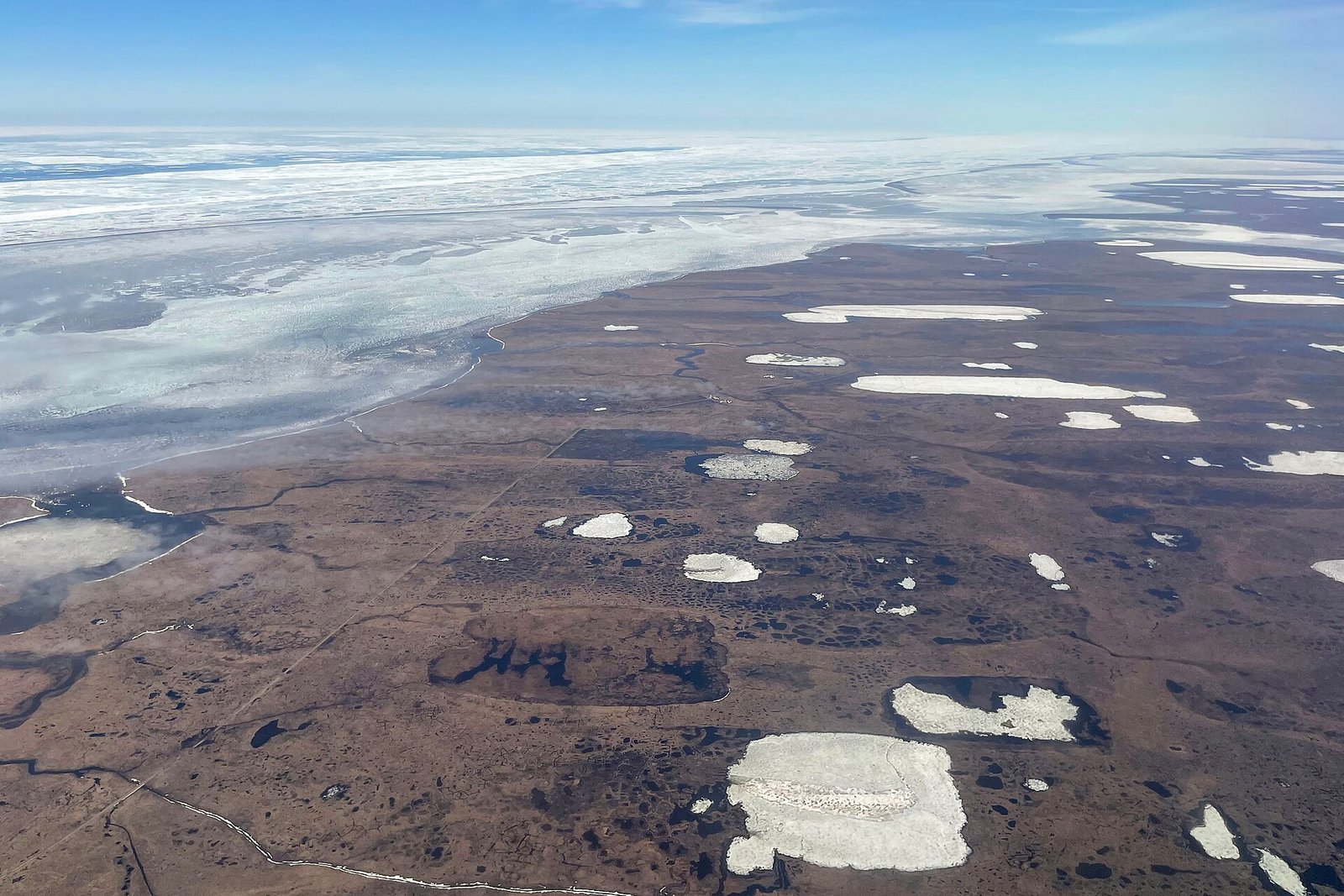 Quintin Soloviev, CC BY 4.0