‘Stop land degradation or we will face health risks,’ say activists ahead of COP29
 USDA NRCS South Dakota Attribution-ShareAlike 2.0 Generic CC BY-SA 2.0 Deed
 Land degradation poses a global threat to human health, activists recall as the UN Climate Convention in Baku approaches. In the US, 95 per cent of land at risk
by Matteo Cavallito
There is a deep connection between soil and human health, which is why soil degradation on a global scale constitutes a serious danger that inevitably requires coordinated action. This is the message launched in recent weeks by Save Soil, an initiative supported by the United Nations Environment Programme, the UN Convention to Combat Desertification and the FAO, among others, and quoted by the website Earth.org.
On the eve of COP29 in Baku, the The United Nations Climate Change Conference scheduled to take place in November in Azerbaijan, activists are therefore calling for soil regeneration to be recognised as a public health priority.
Depleted soil impacts micronutrient supply
The analysis carried out by activists involves several aspects. Among these is the importance of organic matter: soils that are rich in it show higher crop yields but also better nutritional quality of food. Therefore, it is understood that declining soil health contributes to the loss of nutrients in food. A global problem, known as ‘hidden hunger’, which occurs when the quality of food does not meet nutritional requirements.
And which, according to some estimates, affects 30% of the world’s population: over 2 billion people. Among them, activists claim, more than 50 per cent of children under five and 66 per cent of women worldwide.
Healthy soil is also crucial for maintaining clean air and water and stabilising the climate. These are factors, in fact, that contribute to improving the quality of living environments. Soil degradation, on the other hand, leads to the formation of urban heat islands and poor air quality, creating greater vulnerability to natural disasters.

Hidden hunger for 2 billion people; Land degradation generates loss of essential micronutrients. Image: FAO 2015. Creative Commons 3.0 Intergovernmental Organisation (IGO)
There is a need for coordinated global action
According to activists, immediate and coordinated action is needed from governments, farmers and communities around the world to ensure the spread of sustainable soil management practices. It is necessary, they explain, to increase the presence of organic matter in the soil to a minimum of 3-6% depending on local conditions. But also reduce chemical inputs and promote regenerative agriculture to keep soils healthy and fertile.
Alongside these hopes, however, an increasingly problematic context stands out. In August, at the UNESCO International Soil Conference, the director of the same UN Education Organisation, Audrey Azoulay, raised the alarm: ‘Healthy soils are essential for maintaining ecosystems and biodiversity, regulating the climate, producing food and purifying water,’ she explained. ‘However, according to the World Atlas of Desertification, 75% of them are already degraded, directly impacting 3.2 billion people. And if current trends continue, this proportion will rise to 90% by 2050.’
In the USA 95% of the soil is at risk
The United States is no exception, where the amount of soil subject to degradation by mid-century is estimated to reach 95 per cent of the total. The assumption is based on data from the Intergovernmental Panel on Biodiversity and Ecosystem Services, an organisation sponsored by the United Nations Environment Programme based in Bonn, Germany.
‘Degraded soil is largely a result of intensive farming practices, which include an overreliance on chemical fertilizers, frequently using heavy machinery, overgrazing, excessive use of pesticides and herbicides and more,’ Newsweek magazine recently wrote with reference to the alarm raised by activists. Degraded soils, the magazine recalls, are not able to retain water effectively, promoting exposure to climate change-related extreme events such as droughts and wildfires.
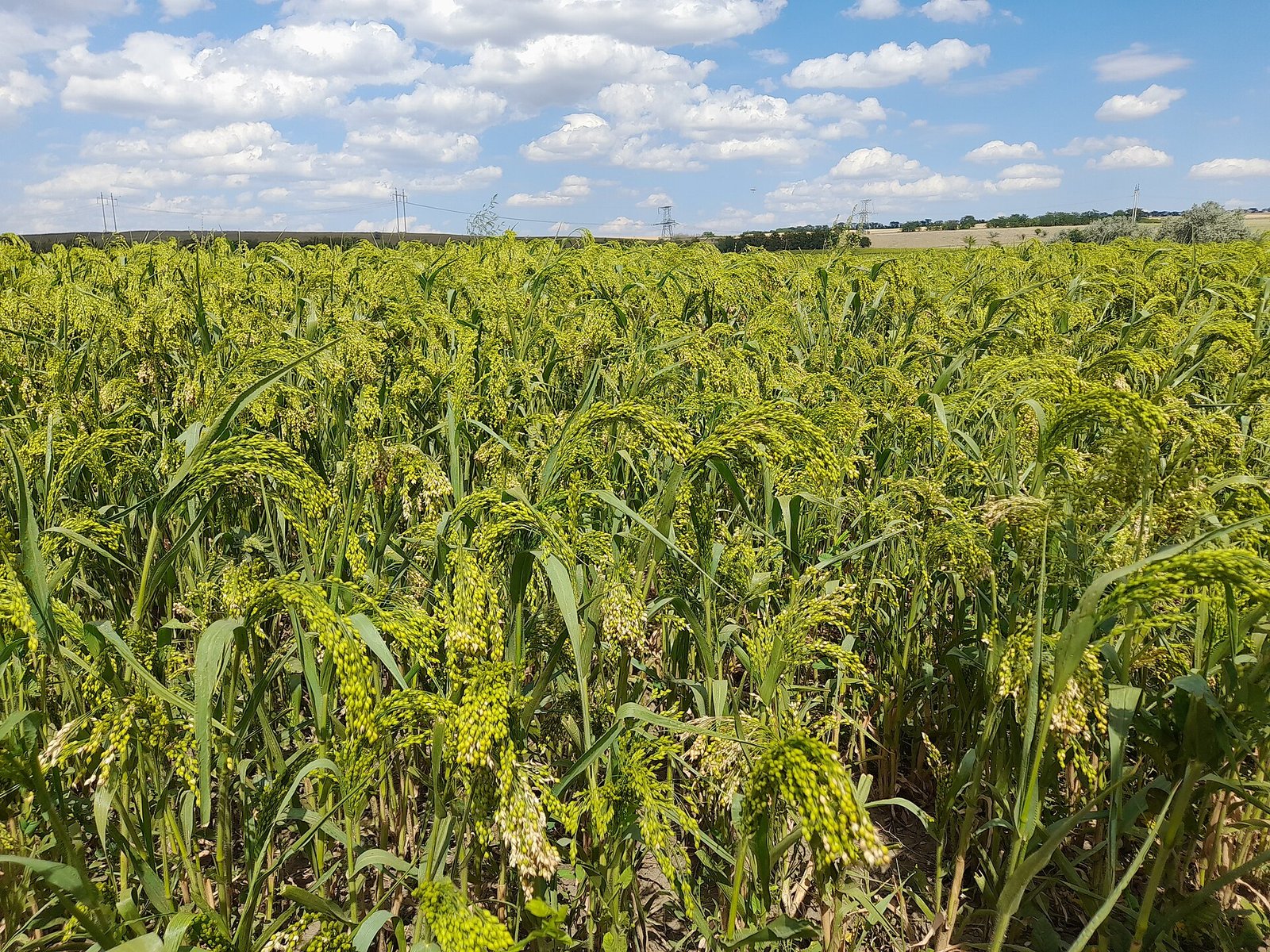 Yuriy Kvach/Wikimedia Commons – CC BY-SA 4.0
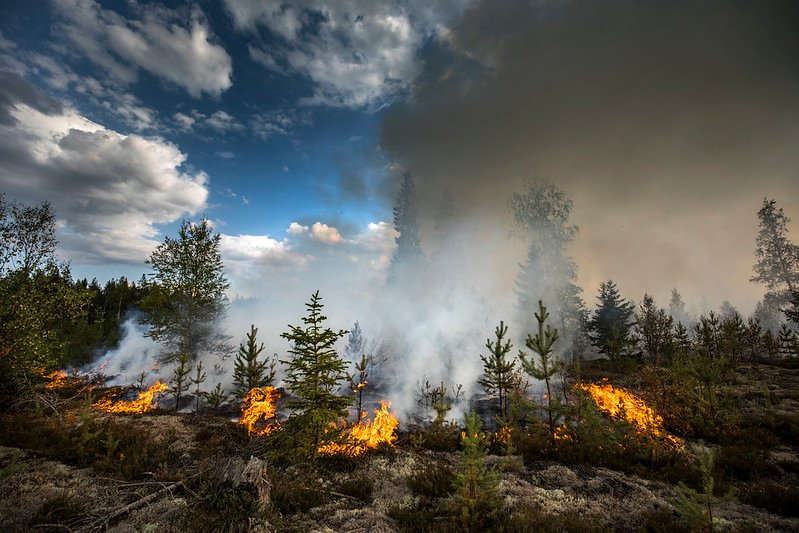 © European Union 2018 (photo by Pavel Koubek), CC BY-NC-ND 2.0
 Penn State. Attribution-NonCommercial-NoDerivatives 4.0 International, CC BY-NC-ND 4.0 Deed.