US soil microbiome under investigation by researchers
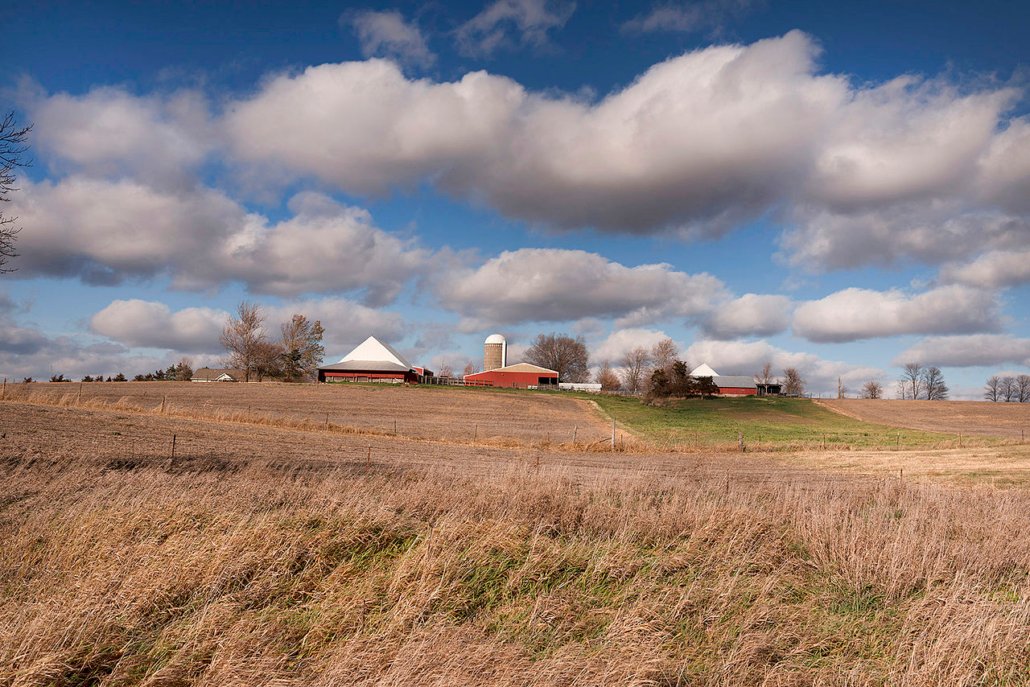 Photo: Carol M. Highsmith Attribution-ShareAlike 4.0 International CC BY-SA 4.0 Deed
 A group of researchers led by Johns Hopkins University is exploring the US microbiome by collecting soil samples from urban and rural locations to identify genetic connections between the environment and microorganisms
by Matteo Cavallito
Soil, microbiome performs several functions that are crucial for plants and the ecosystem. However, the variety of microorganisms involved is still largely unknown, due to the challenge of monitoring and exploring such a vast environment. Nevertheless, some projects now promise to bring new knowledge. Among these is the work of geneticists at Johns Hopkins University who, in collaboration with external researchers and students, have embarked on a particularly ambitious project: cataloging the soil microbiome in the United States. The survey, described in an article published in the journal Nature Genetics, has already led to the discovery of over a thousand new strains of bacteria and microbes that had never been identified before.
Microscopic dark matter
“The soil is the most biologically active environment on the planet, yet we’ve sampled only a tiny fraction of the life that lives inside it,” said Michael Schatz, co-author of the study, in a statement released by Johns Hopkins. This is a reference to the so-called “microbial dark matter,” the world of soil microorganisms that is still almost entirely unknown today. This world, the authors continue, includes more than half of all existing species, including nematodes, plants, fungi, bacteria, archaea, and other microbial species.
Sixteen years ago, in 2010, an organization called the MetaSUB Consortium launched a groundbreaking study to map and study the microbes present in New York City subway stations. This initiative, which later evolved into a global project, inspired today’s study. It is being carried out by another consortium, BioDiversity and Informatics for Genomics Scholars (BioDIGS), which operates at around 40 sites in the US, collecting soil samples from urban and rural locations in search of genetic relationships and recurring patterns linking soil, the environment, and human health.
DNA analysis proves crucial
Microbiome studies have long been based on genetic analysis. Several years ago, researchers at Toyohashi University of Technology in Japan’s Aichi Prefecture began monitoring nematodes, small organisms that feed on bacteria and fungi, using a technique known as DNA barcoding, which allows a reference nucleotide sequence to be associated with different species to distinguish them from one another.
The authors point out that the US project has been made possible by other recent advances in DNA sequencing technology, starting with long-read sequencing.
This technology, in other words, is capable of reading very large fragments of genetic material—10-100,000 bases compared to the few hundred guaranteed by previous-generation techniques—in a single action. With the support of this technology, the collection of samples from a wide variety of soils across the country should provide the material needed for a more accurate analysis of microbes genomes.
In Europe, the first national monitoring of the microbiome
Among the latest studies on soil microorganisms, the work carried out by the University of Aalborg in Denmark, in collaboration with the University of Vienna, stands out in particular. The study, published in the journal Nature, examined over 10,000 soil samples to paint a picture of the country’s different environmental contexts and the microbes that inhabit them. This is the first mapping of a soil microbiome ever carried out at the national level.
The survey, based on 10,683 gene sequences of microorganisms and additional rRNA datasets, provided important information
on aspects such as the impact of intensive agriculture on microbial profiles, the role of microorganisms in nitrogen emission dynamics, and that of fertilizers. This contributes to the monitoring of microbial responses to land use and climate change.
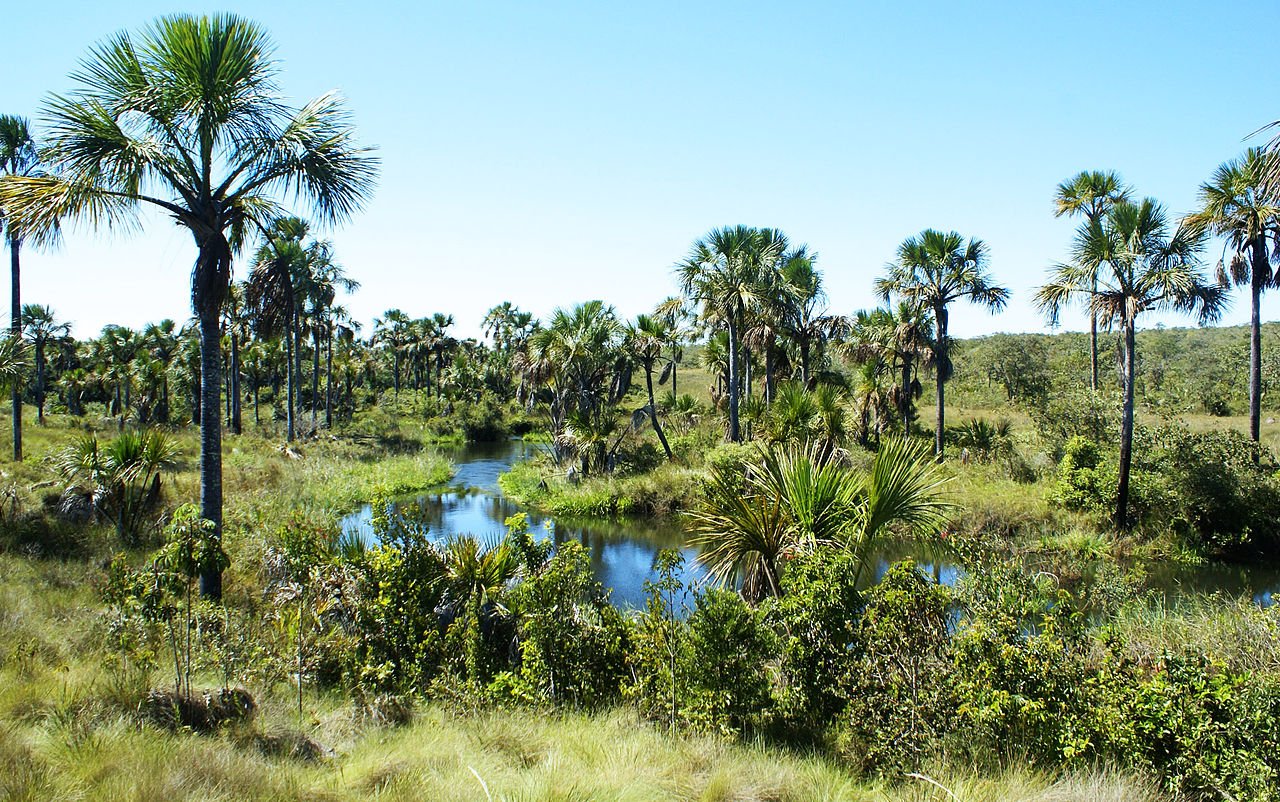 Thpelin Attribution-ShareAlike 3.0 Unported CC BY-SA 3.0 Deed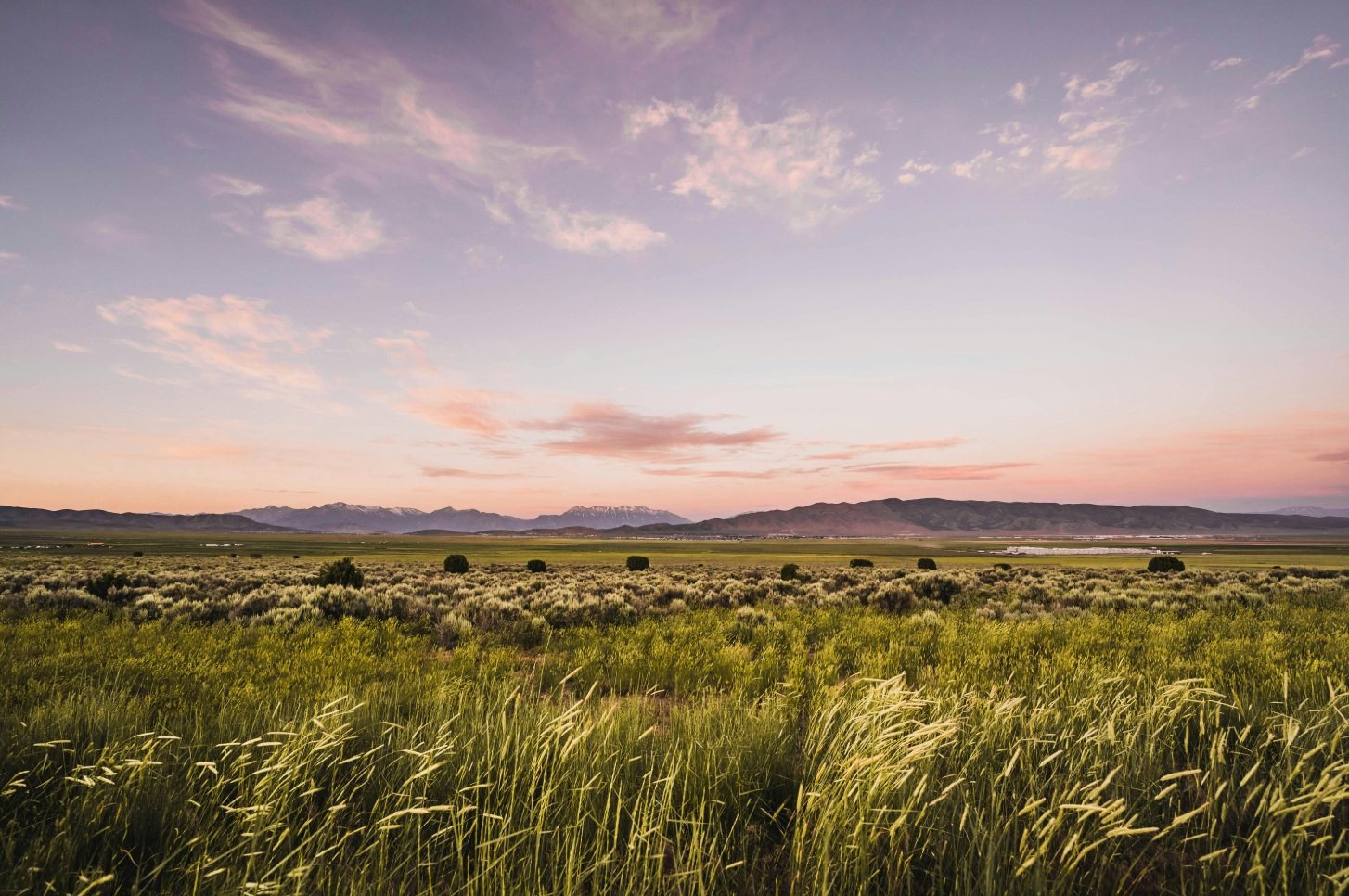
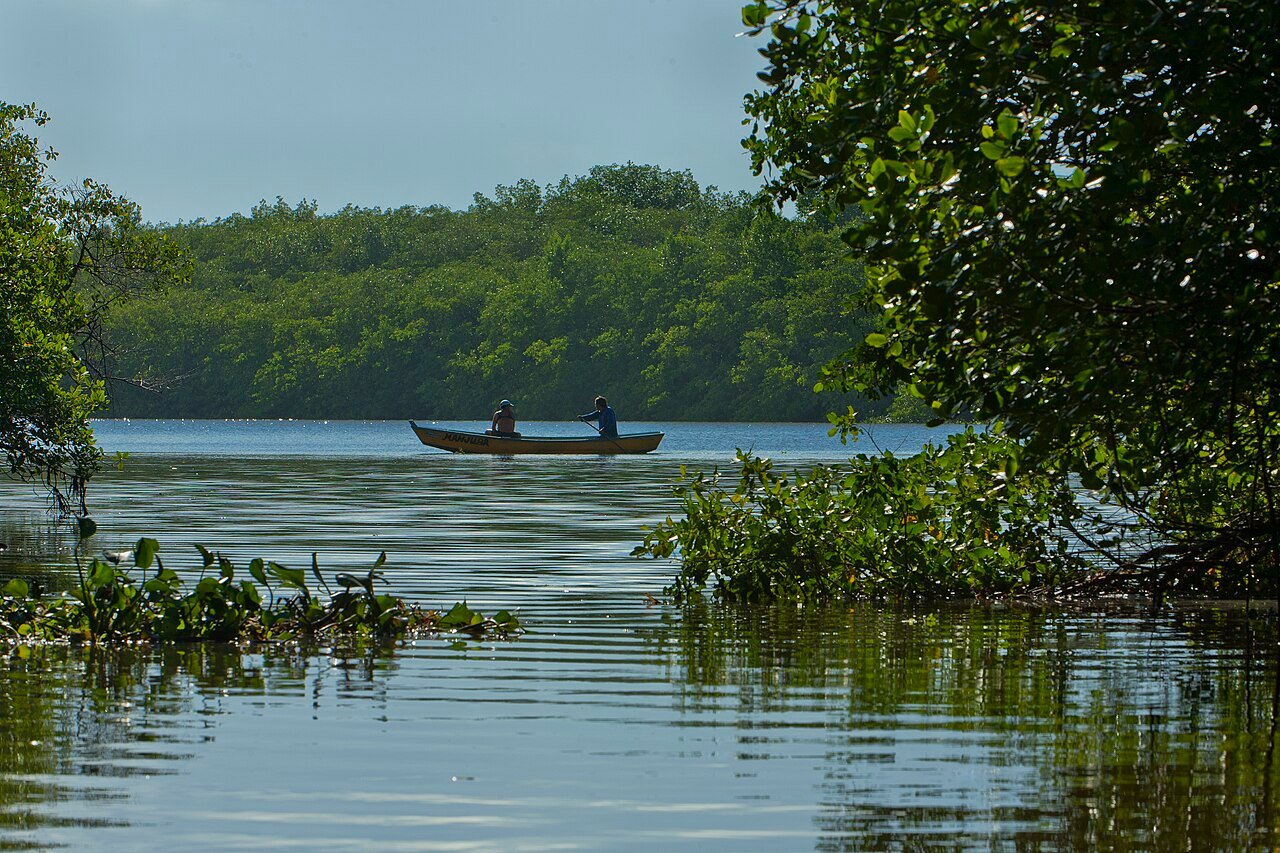 Jonathan Wilkins Attribution-ShareAlike 3.0 Unported CC BY-SA 3.0 Deed