
Insects, food production and biodiversity thrive together through agriwilding
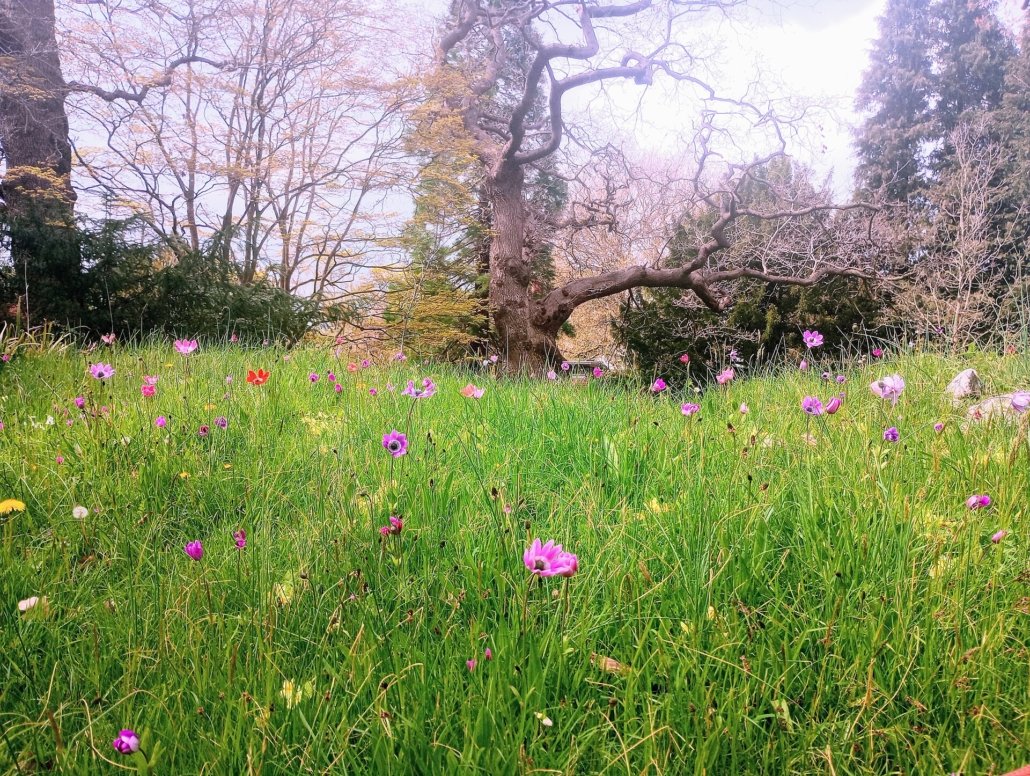 Nathanieljoyce, Creative Commons Attribution-ShareAlike 4.0 (CC BY-SA 4.0)
Productive crops, trees, species-rich grasslands and natural succession: agriwilding, a Belgian study explains, encourages the return of pollinators and opens new prospects for more sustainable agriculture
by Matteo Cavallito
The expansion of intensive agriculture has long been recognised as one of the leading causes of biodiversity loss worldwide. By contrast, some sustainable farming practices have proven capable not only of reducing their impact on the ecosystems in which they are implemented but, in some cases, of actively promoting their regeneration. One such example is agriwilding, an agricultural approach that combines productive perennial crops with ecological restoration processes. According to a study published in Biological Conservation, it may offer an effective strategy for producing food while simultaneously supporting the recovery of biodiversity.
The biodiversity crisis in agricultural landscapes
The research, conducted by scientists from the Vrije Universiteit Brussel and the University of Louvain in Belgium, addresses one of the central challenges of today’s ecological crisis: how to reconcile food security with the need to reverse the ongoing environmental crisis. “Worldwide biodiversity loss, particularly in agricultural landscapes, is strongly driven by habitat degradation and fragmentation associated with agricultural intensification”, the study notes, explaining that the expansion of intensive farming has reduced the availability of key habitat features for many species, including hedgerows, trees, species-rich grasslands and uncultivated areas, contributing in particular to the decline of insects.
Among the groups most severely affected are butterflies and moths, which play a vital role in ecosystem functioning by contributing to pollination, providing food for numerous animal species and supporting ecological networks.
As noted above, agriwilding offers one possible solution. But what makes this approach so distinctive? According to the authors, it is based on “perennial polycultures that combine productive trees and shrubs with species-rich grasslands while allowing partial ecological succession”. Unlike the better-known concept of rewilding, which aims to restore self-sustaining natural ecosystems, agriwilding retains a productive agricultural component while integrating food-producing species with ecological processes.
Agriwilding supports Lepidoptera
To assess the potential of agriwilding, the researchers studied De Wildernis, a two-hectare site in the Aerebeek Valley, Flanders, which was transformed in 2009 from conventional farmland into a system combining perennial crops, trees, shrubs, ponds and managed grasslands. The site was compared with conventional agricultural fields and nature-managed areas within the same valley. Drawing on 15 years of observations, the researchers tracked the evolution of Lepidoptera communities.
“Long-term butterfly observations indicate that the agriwilding site supported a high proportion of the regional species pool following land-use conversion”, the study explains. Moreover, “Community composition shifted from mobile generalists towards rarer species associated with woody vegetation, which coincided with ecological succession and increased structural complexity”.
Butterflies and moths flourish
Overall, 30 butterfly species were recorded at different times during the study period, representing more than three quarters of the 39 species documented across the entire region. In a subsequent standardised monitoring programme designed to compare different land management systems, De Wildernis showed the highest butterfly diversity, with 19 species recorded in a single year, compared with 10 in conventional farmland and 12 in nature-managed areas.
The findings for moths were equally striking: 160 species were recorded at the agriwilding site, compared with 82 in conventional farmland. “For moths, species richness matched that of the nature reserves”, the authors note. “But the species composition differed substantially, suggesting that agriwilding creates habitat for species that are scarce or absent elsewhere”.
Agriculture can be part of the solution
The study’s findings are particularly significant in the European context. Butterfly populations across Europe have declined sharply in recent decades and, in Flanders, where the research was conducted, many species are now threatened or have disappeared altogether. For this reason, the authors argue that agriwilding should be incorporated into biodiversity support schemes under the European Union’s Common Agricultural Policy (CAP).
“Agriwilding could be included as a subsidised measure for farmers, either as an integral component of productive land or alongside annual crops”, the authors emphasise, “thereby supporting biodiversity and enhancing ecosystem services, such as pollination and natural pest control”.
According to the researchers, further studies will now be needed to determine whether these results can be replicated on a larger scale. Even so, the findings show once again that, through land management designed around ecological processes, agricultural landscapes can become part of the solution to the biodiversity crisis, creating systems in which food production and ecosystem conservation reinforce one another.
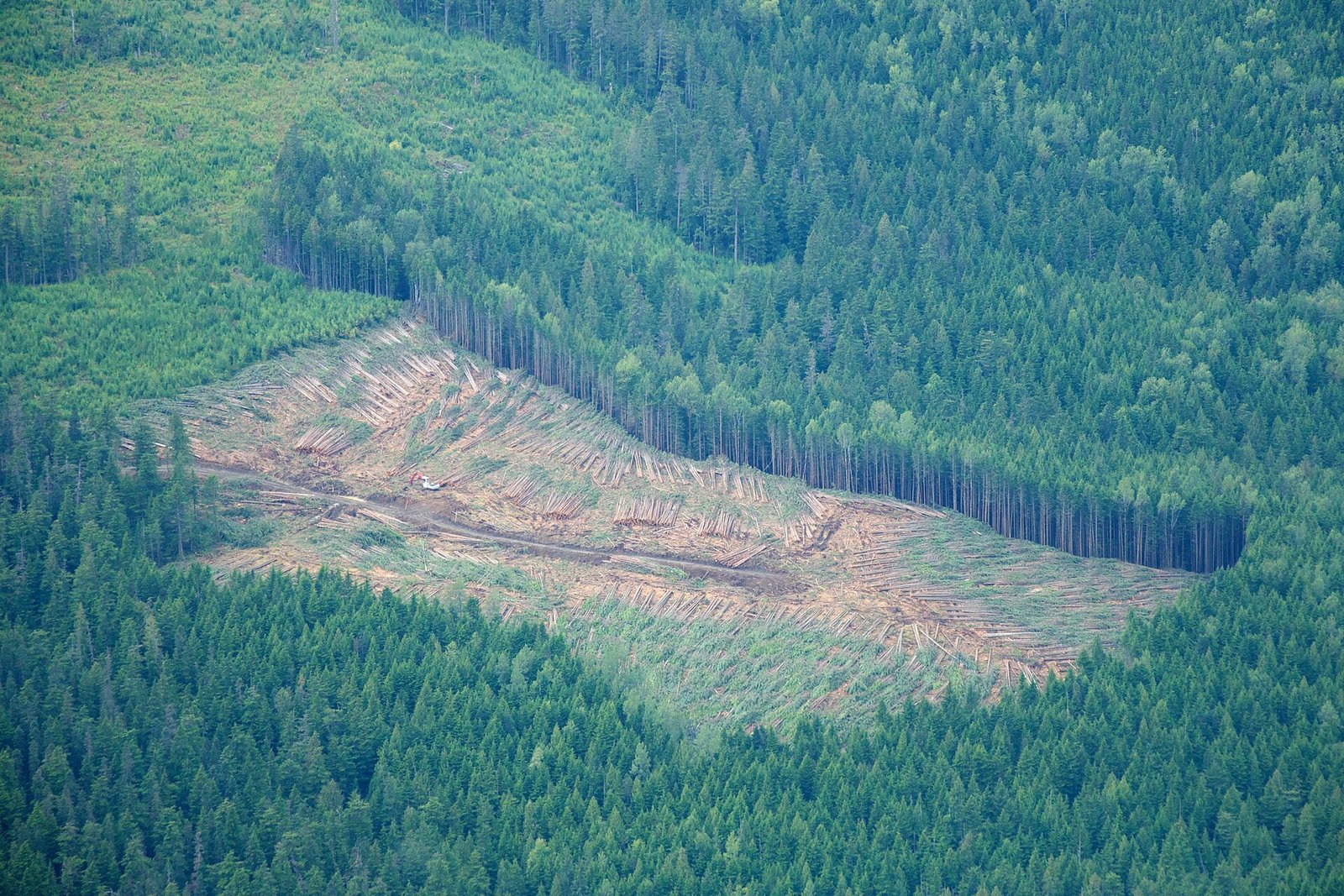 Sam Beebe, CC BY 2.0
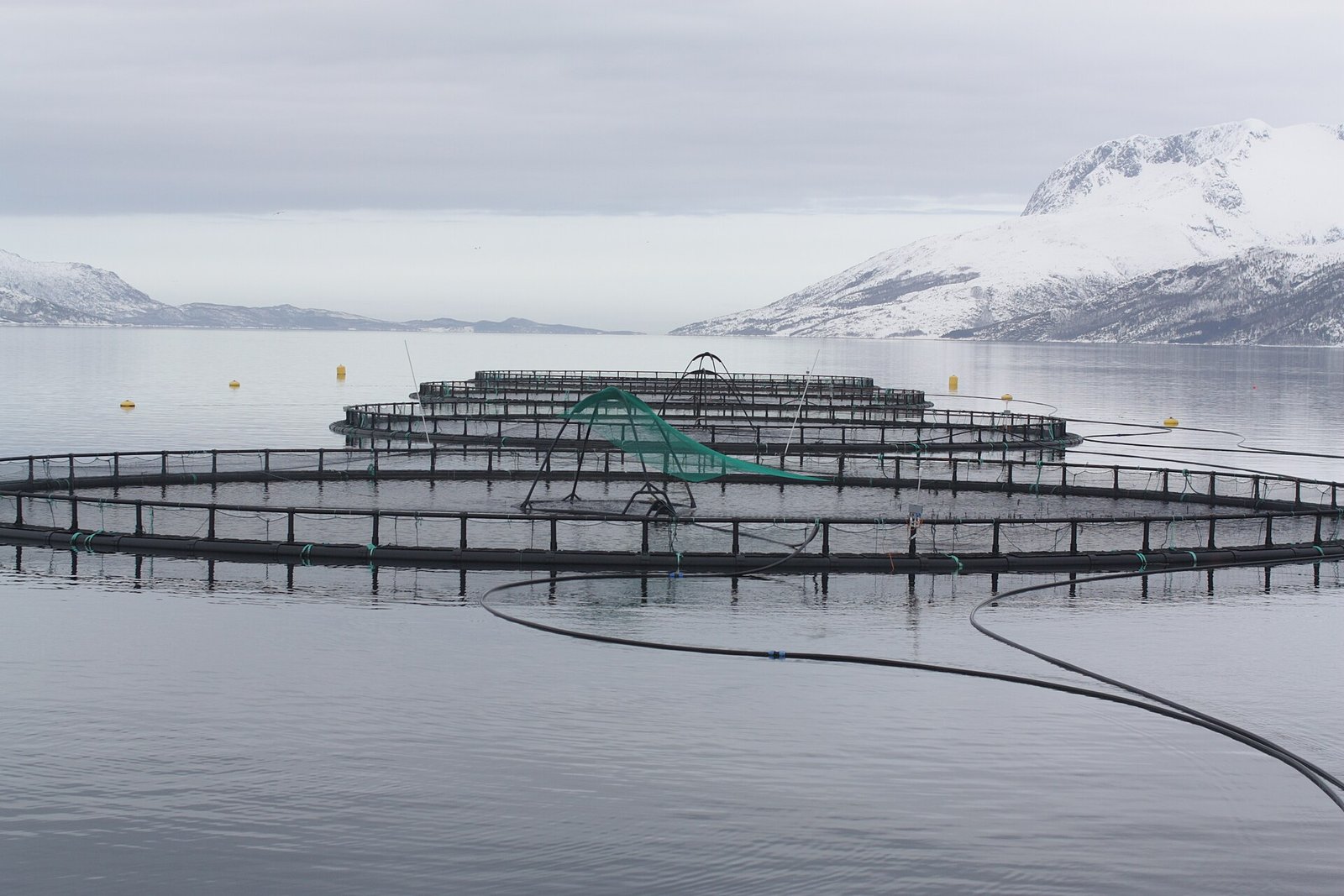 Photo: Thomas Bjørkan CC BY-SA 3.0
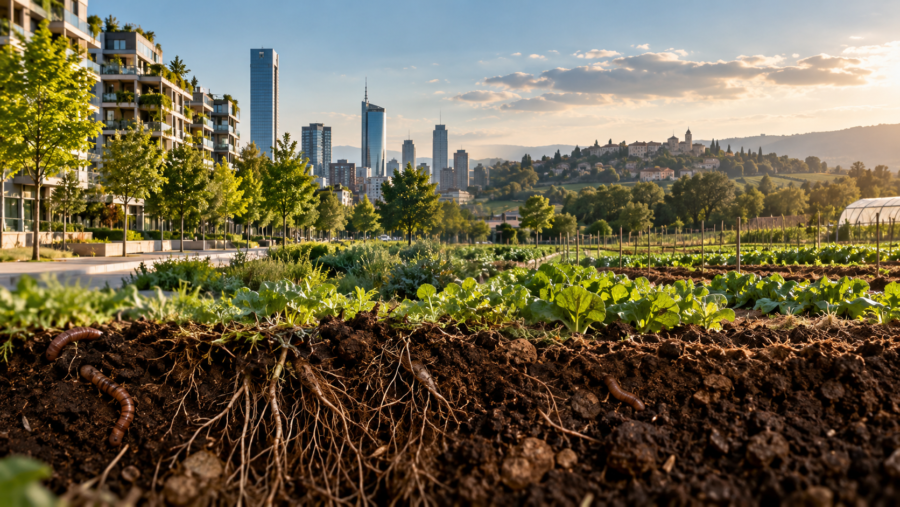 Re Soil Foundation


