Congo peatlands are over 40,000 years old, researchers find
 Photo: Ricky Martin/CIFOR Attribution-NonCommercial-NoDerivs 2.0 Generic CC BY-NC-ND 2.0 Deed
An international study reveals Congo peatlands are much older than expected. The discover provide new insights to the studies on the global carbon cycle
by Matteo Cavallito
The peatlands in the Congo Basin region—one of the world’s largest carbon sinks—are much older than previously thought. According to new calculations by an international team of researchers, the formation of this tropical ecosystem may date back more than 20,000 years earlier than previously assumed. This revision has important implications for estimating the total carbon stored in the area and its role in addressing climate change.
“These peat swamp forests are a globally important carbon store, holding the equivalent of three years of global fossil fuel emissions,” said Greta Dargie, a researcher at the University of Leeds and co-author of the study, which involved several international academic institutions. “We now know that they are among the most ancient tropical peatlands on the planet.”
29 billion tons of carbon stored in Congo’s peatlands
“The central Congo Basin straddles the equator, containing ∼360 000 km2 of wetland that is shared between the Republic of the Congo (ROC) and the DRC,” says the study published in Environmental Research Letters. “According to estimates, 167,600 km² of this wetland area are forested with underlying peat deposits that have an average depth of 170 centimeters.” This figure is based on previous research by the same British university, published in 2022, which revised earlier estimates upward.
That study highlighted that these peatlands account for 36% of the global tropical peatland area while holding 28% of carbon stored in such ecosystems—about 29 billion tons. Over the past decade, research has underscored the critical importance of these environments and this region for the global carbon cycle. The latest findings on the actual age of the peatlands further emphasize this point.
Ecosystems are 42,000 years old
The investigation began with field collection of peat samples, at depths reaching up to 6 meters. The material—obtained through over 50 core samples from across the central Congo Basin—was dated using radiocarbon analysis. This allowed scientists to determine when peat began to form at various sites. To their surprise, they discovered that some of the oldest peatlands originated during a period that, according to researchers, had a significantly drier regional climate than today.
“Some of the new basal dates are much older than any previous dates, indicating that peat initiated in the central Congo Basin at multiple locations in the Late Pleistocene,” the authors explain.
“Our oldest basal date is 42 300 (41 200–43 800) calibrated years before present, making this one of the world’s oldest extant tropical peatlands, and twice as old as previously believed.”
Questions for the present
The findings have immediate implications for today. “Our previous working hypothesis was that the peat began forming in response to a wetter climate at the start of the Holocene epoch, around 12,000 years ago,” explained Ifo Suspense, professor of tropical forest ecology at the University of Marien Ngouabi in Brazzaville, Republic of the Congo. “But we now know that factors other than climate must have made the soils wet and waterlogged enough for peat to form.”
The discovery “raises questions about how the peatland landscape, and the large amount of carbon it stores, will respond to 21st century climate change.”
Oil Exploration: the latest threat
The revised age of the peatlands suggests these ecosystems have shown remarkable resilience to climate shifts over millennia, preserving vast amounts of carbon for thousands of years. “The great age of the peatlands drives home how valuable they are,” said Pauline Gulliver, a researcher at the University of Glasgow. “There has been peat here, quietly drawing carbon out of the atmosphere, and safely storing it for at least forty millennia. The peat can’t be replaced on any timescale that’s meaningful to society.”
The message is clear: if disturbed by human activity, these areas could release massive amounts of carbon into the atmosphere, accelerating global warming.
This doesn’t even account for the damage to local communities—who rely on peatlands for essential resources—and the loss of biodiversity. Until now, these ecosystems have largely escaped threats like deforestation and drainage. But that may be changing. According to the latest report by the NGO Earth Insight, in 2025 the Democratic Republic of the Congo launched an unprecedented oil exploration campaign, auctioning off 52 new blocks and bringing the total area under concession to 124 million hectares—53% of the nation’s entire territory.
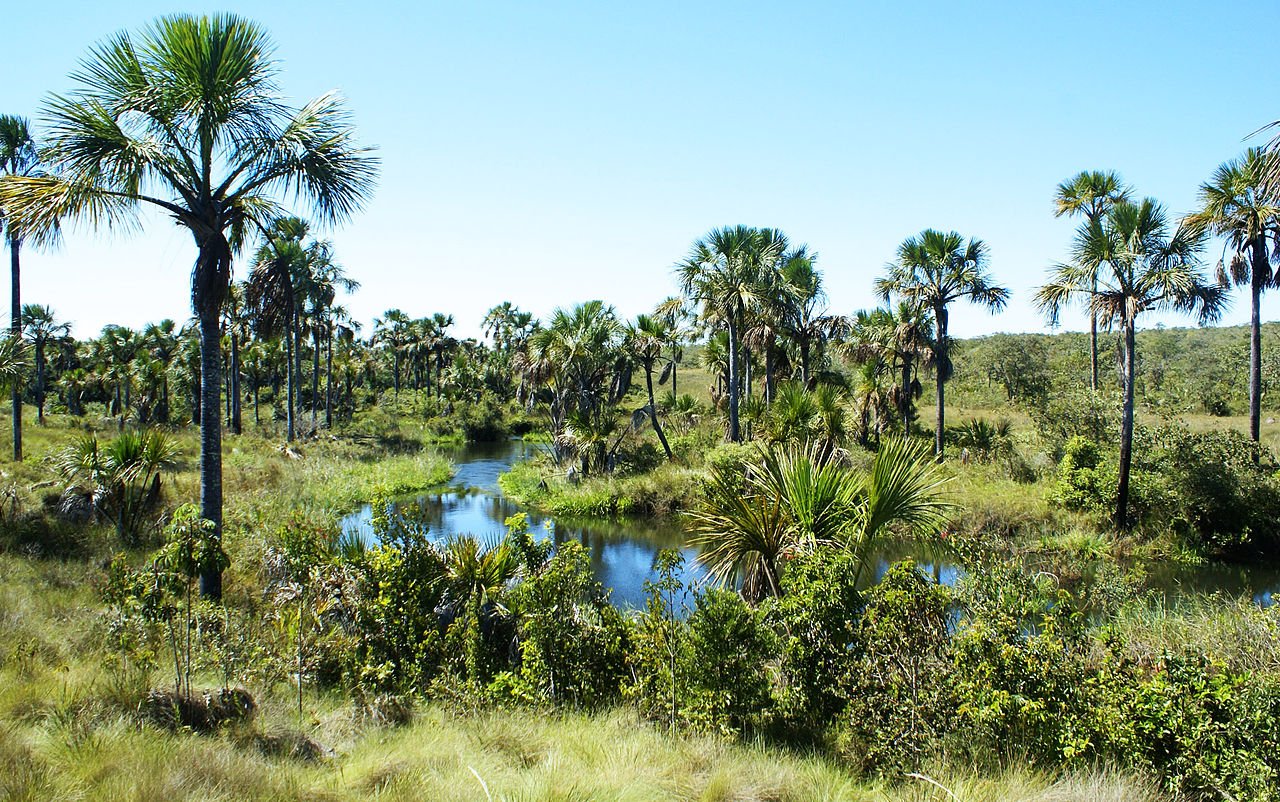 Thpelin Attribution-ShareAlike 3.0 Unported CC BY-SA 3.0 Deed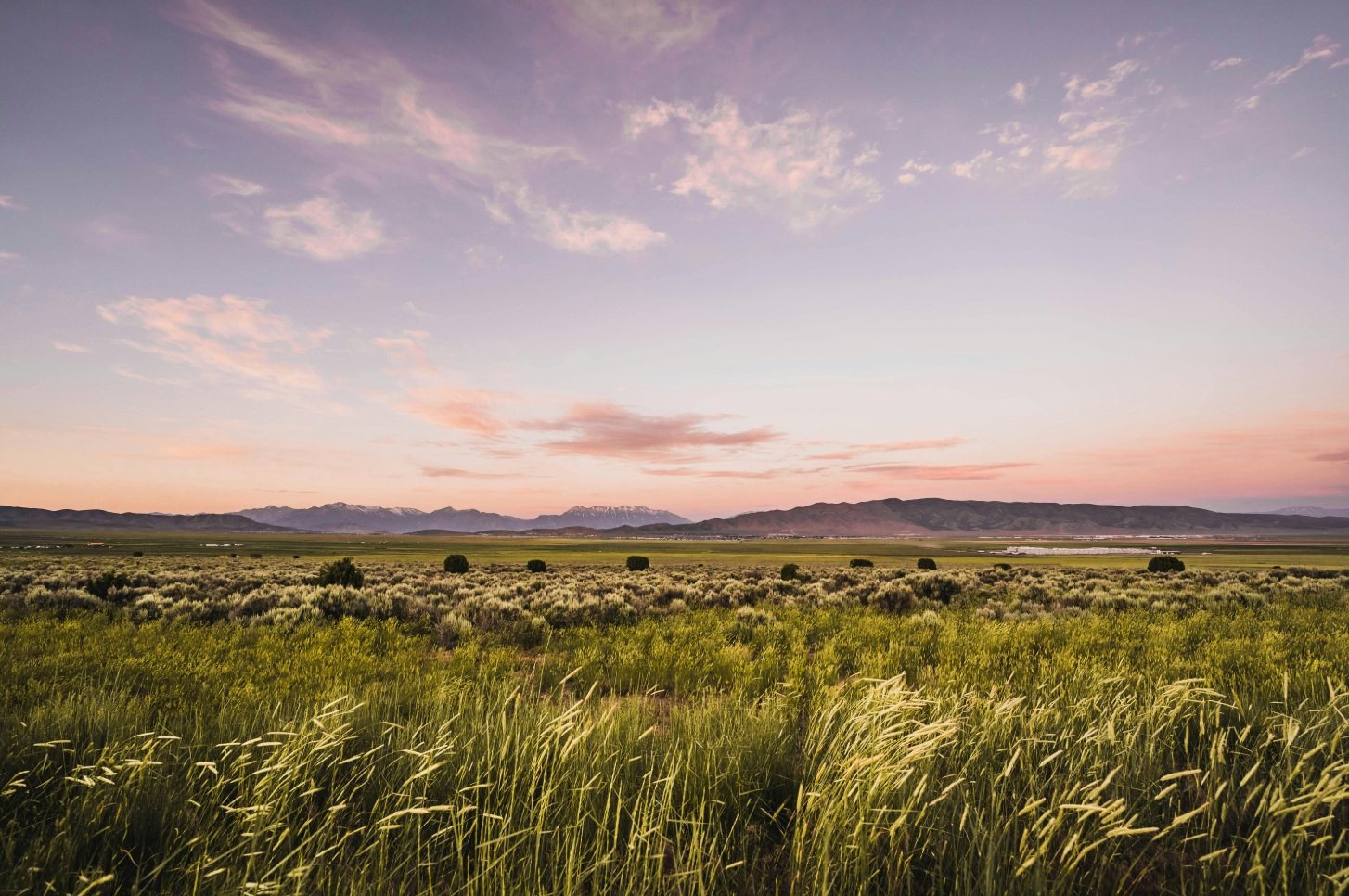
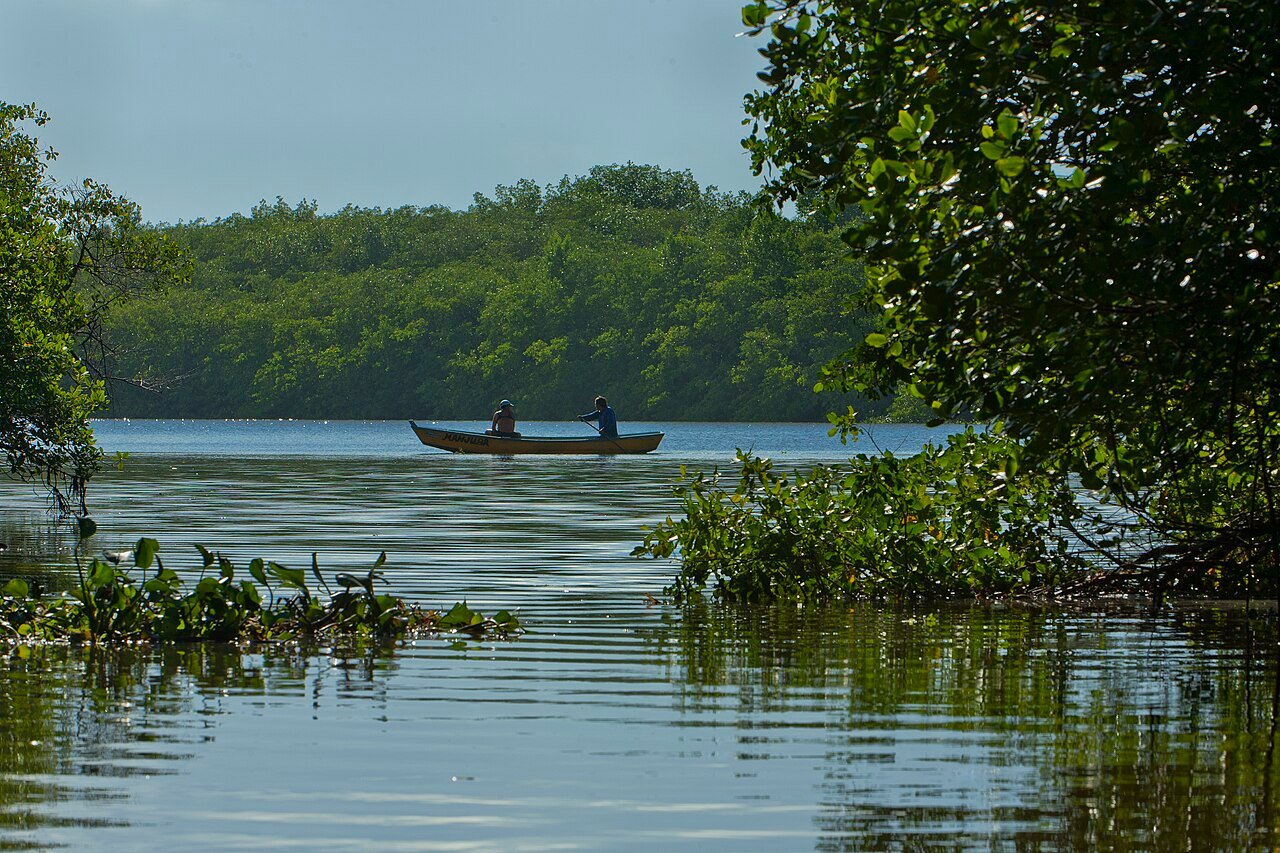 Jonathan Wilkins Attribution-ShareAlike 3.0 Unported CC BY-SA 3.0 Deed