From citizen science to soil policy: ECHO heads to Dublin
A workshop on 16 November will explore how citizen science can inform decisions on soil health. Discussions will focus on how the data collected can be used, the costs of monitoring and the value of this information in the European policy context
by Matteo Cavallito
How can data collected by citizens inform decisions and policies on soil health? This question is at the heart of a workshop organised by the ECHO project, taking place on 16 November 2026 in Dublin, at the Teagasc Ashtown Food Research Centre, on the eve of European Mission Soil Week 2026. Registration is open via the online form.
Aptly titled “Citizen Science Generated Data for a Better Policy- and Decision-making: Insights from the ECHO Project”, the event will explore potential uses of information generated through citizen science, drawing on research experience and exploring how this information could be used. Mission Soil projects are also invited to participate.
From data collection to decision-making
“The citizen science approach has the potential to offer a pivotal contribution to a range of relevant aspects related to soil health”, the organisers note. “This includes literacy, engagement, awareness, but a less considered aspect concerns the potential of information based on citizen science to support decisions and policy design”. However, they add, the development of evidence-based policies is hampered by factors such as “limited resources, e.g. money and time and the non-evident benefits connected to better information”.
Understanding who needs what data and for what purposes is therefore an important step in assessing its usefulness. The workshop will address these questions by drawing on ECHO’s experience.
The discussion will focus on potential users of soil health data, its uses and the perceived value of this information. Topics will also include the costs of collecting data through citizen science and how the resulting knowledge can improve decision-making within the current EU policy context.
The programme
The event will open with an overview of the project by Tanja Mimmo, Full Professor of Agricultural Chemistry at the Free University of Bozen-Bolzano. According to the tentative programme, speakers will include Hannes Pasanen, project researcher at the University of Eastern Finland, who will discuss end users and potential uses of data generated through citizen science. Stefano Targetti, a researcher in Agricultural and Food Economics and Rural Appraisal at the University of Bologna, will examine the costs and effort involved in collecting this information, outlining ECHO’s approach to its economic evaluation.
Arwyn Jones, who leads the development of the EU Soil Observatory at the European Commission’s Joint Research Centre (JRC), will then discuss how citizen science could support the EU soil policy cycle. After the break, presentations will cover the PSOILICY project, with Marion Bardy, Director of Support for Public Policy at INRAE, and LOESS, with Saurabh Singh, a postdoctoral researcher at the School of Chemical and Biopharmaceutical Sciences at Technological University Dublin. A round-table discussion involving all participants will close the programme.
ECHO: engaging citizens in soil research
Launched in June 2023, ECHO – Engaging Citizens in Soil Science: the Road to Healthier Soils is a four-year project co-funded by Horizon Europe and UK Research and Innovation. Coordinated by the Free University of Bozen-Bolzano, it brings together 16 partners, including Re Soil Foundation. The project aims to collect data from 16,500 sites through 28 citizen science initiatives, taking into account different land uses, soil types and biogeographical regions.
The data is made available through ECHOREPO, an open-access repository linked to the EU Soil Observatory and designed for researchers, policymakers, farmers, landowners and citizens.
As part of this effort, Re Soil Foundation contributes to the project with a particular focus on communication, training, outreach, educational activities and local events. The aim is to improve people’s understanding of soil, support their active involvement in data collection and encourage their participation in decisions on soil management.
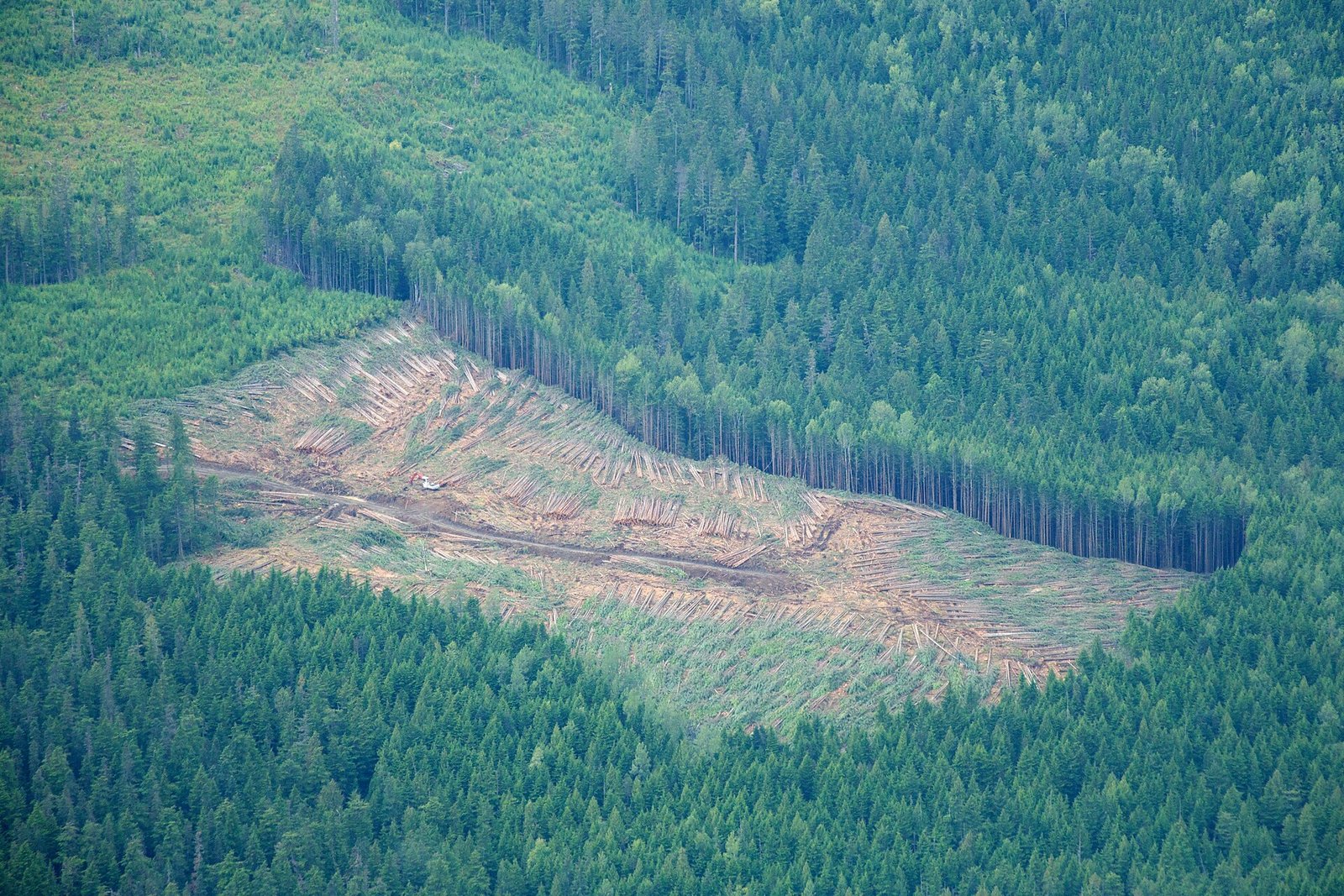 Sam Beebe, CC BY 2.0
 Photo: Thomas Bjørkan CC BY-SA 3.0
 Re Soil Foundation