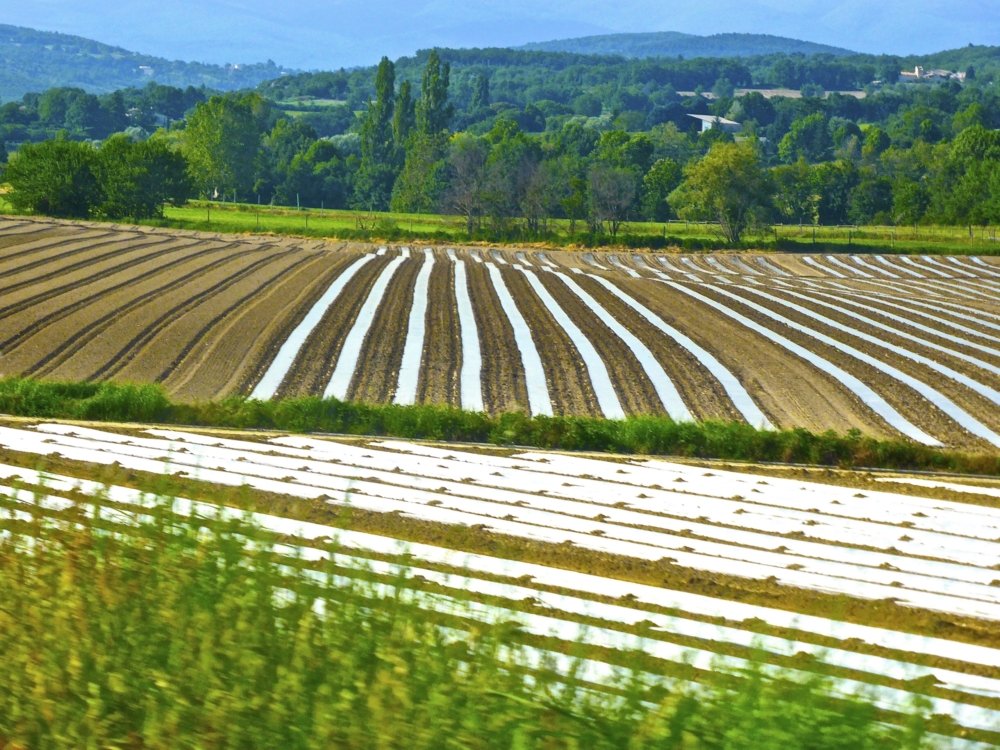
Fungicides and warming: a double pressure on soil microbes
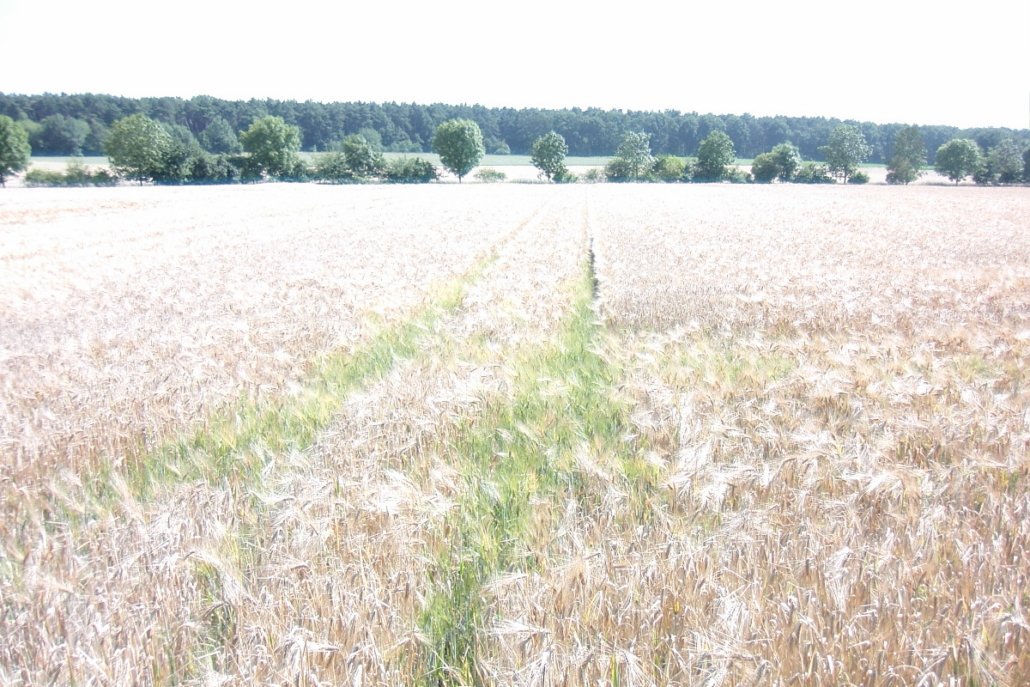 Blonder1984, CC BY-SA 3.0
Two studies from Trinity College Dublin link exposure to a fungicide to antibiotic resistance and show how exposure to the fungicide and higher temperatures together affect soil microbial activity and barley growth
by Matteo Cavallito
Agricultural fungicides can have consequences beyond controlling plant diseases. Two studies from Trinity College Dublin examined, respectively, the development of resistance to a fungicide and three antibiotics in a soil bacterium, and the decline in microbial community activity caused by the combined effects of the fungicide and higher temperatures.
Published in Evolutionary Applications and The ISME Journal, the studies examine different aspects of a shared problem: the pressures that farming practices and global warming place on microorganisms essential to soil functioning.
Soil under pressure from two fronts
Soil microorganisms contribute to nutrient cycling, the breakdown of organic matter and plant growth. Fungicides are used to control crop pathogens, but once they reach the soil, they also come into contact with organisms they are not designed to target. In the field, microbial communities often face several stressors at once.
To build a fuller picture, researchers therefore need to study the effects of chemicals and temperature together. The two studies examine the problem at different scales. The first tracks the evolution of a bacterial species; the second examines how more complex communities respond and what the consequences may be for a crop plant.
Fungicides and antibiotic resistance
In the first study, researchers cultured Pseudomonas fluorescens, a bacterium that can promote plant growth, in soil microcosms subjected to different combinations of fungicide exposure and warming for 16 weeks. The product used, Fubol Gold, contains metalaxyl-M and mancozeb. Susceptibility tests and genome analyses allowed the researchers to track changes in the bacterial populations. As the authors write, “fungicide exposure rapidly selected for increased fungicide resistance, detectable as early as week 4”.
The bacteria also developed resistance to three antibiotics to which they had not been exposed: chloramphenicol, sulphatriad and nalidixic acid.
According to the researchers, this may be linked to mutations in a gene involved in regulating pumps that transport substances out of the cell. Anyway, the mechanism requires further investigation. Warming did not alter the evolution of fungicide resistance, but it did affect survival. “Populations subjected to both fungicide and warming stress went extinct more rapidly, so that population evolutionary rescue was less effective under dual stress”.
Combined stress reduces microbial activity and changes barley growth
The second study examined the functioning of soil microbial communities after four months of exposure to the same fungicide, higher temperatures or both. Among other measures, the researchers assessed microbial respiration and the communities’ ability to use different carbon sources. Results show that “combined warming and fungicide stress caused widespread loss of metabolic activity, particularly for carbohydrates and carboxylic acids”. The decline in microbial activity was greater than expected from adding together the effects of the two treatments separately.
The researchers then grew barley in sterile compost inoculated with the previously treated microbial communities. They did it at a constant temperature and without adding fungicide. This showed that the communities’ earlier exposure could affect plant growth even after the treatment had ended.
The study also found that bacterial isolates from soils exposed to the fungicide alone were 16 times more resistant to the product than those in the control group. This increase was not observed in bacteria from soils also exposed to warming. The authors therefore suggest that higher temperatures may have constrained adaptation to the fungicide.
Implications for agriculture and health
The findings point to two related issues. First is antimicrobial resistance: a substance other than an antibiotic can help select for bacteria resistant to certain antibiotics. Second is soil health: under simultaneous pressures, reduced microbial activity may also affect plant growth. “We tend to think of climate change and agricultural chemicals as presenting separate problems and then study these factors independently from each other”, said Siobhán O’Brien, a microbiologist at Trinity College and co-author of the studies.
“But in reality soils experience these pressures at the same time, and this new research shows that the combined effects can be much more damaging than we might expect”.
The studies show why agricultural products should also be assessed in the context of the climatic conditions in which they are used. Further field research will be needed to establish how widely the effects observed in the laboratory occur in cultivated soils, and what consequences they may have for crops and human health.
 Photo: Thomas Bjørkan CC BY-SA 3.0
 Re Soil Foundation