Greener but less wet: a Chinese study reveals the global soil paradox
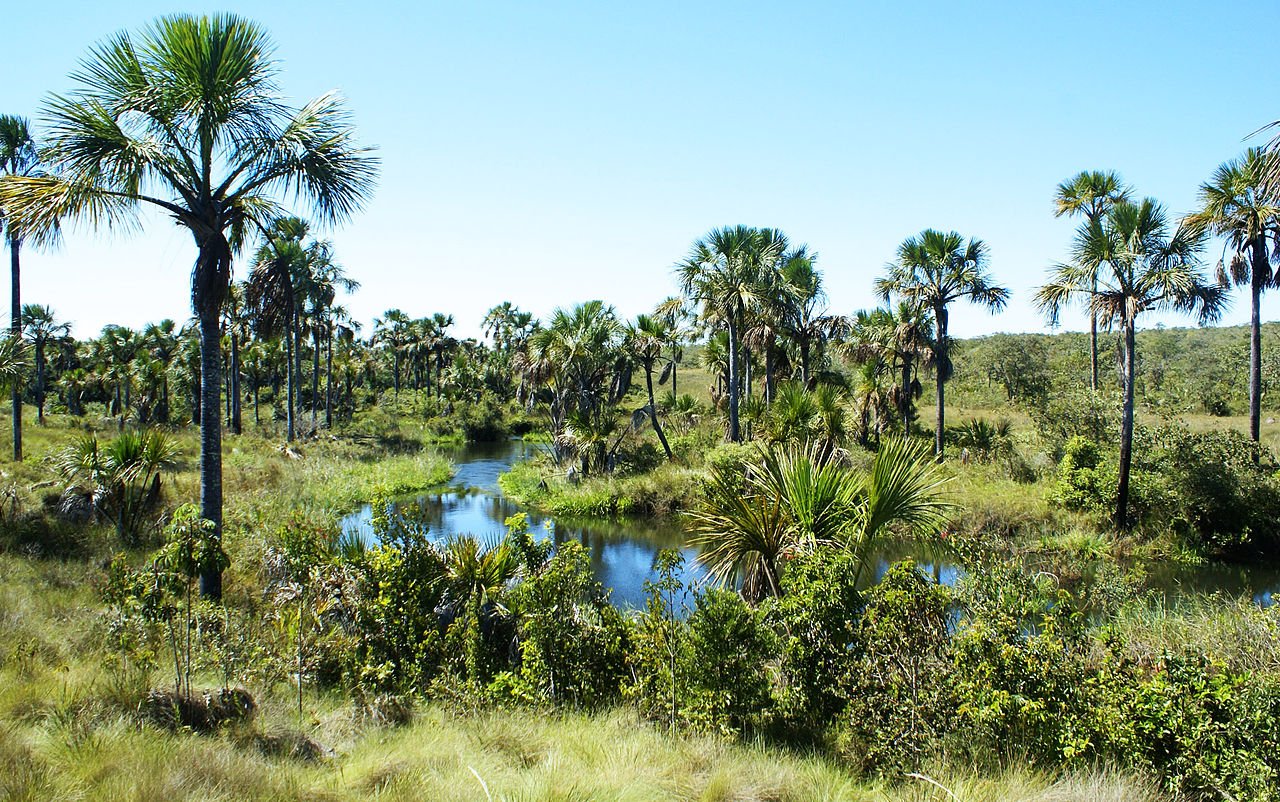
 Jialiang Gao Attribution-ShareAlike 3.0 Unported CC BY-SA 3.0 Deed
 Research: in forty years, two-thirds of vegetated areas have become greener, but half of those also experienced considerable soil drying. Crucial factor: increased evapotranspiration
by Matteo Cavallito
Over the last four decades, estimates suggest that the planet’s soil vegetation cover has expanded considerably, thanks in particular to efforts made by China and India. However, this phenomenon has had a paradoxical effect, contributing to a general decline in soil moisture, especially in regions that have always struggled with water scarcity. This is claimed by a study published in Communications Earth & Environment.
The study
“Vegetation dynamics, as fundamental terrestrial ecosystem components, regulate precipitation and evapotranspiration, directly affecting soil moisture,” says the research conducted by a group of researchers led by Professor Chen Yaning of the Xinjiang Institute of Ecology and Geography of the Chinese Academy of Sciences.
“However, global greening’s impact on soil moisture (drying or wetting) remains uncertain.” To understand the dynamics, the authors integrated satellite observations with other datasets constructed from 12 different Earth system models. The study covered the period 1982-2020, also allowing future estimates to be made up to the year 2100.
Half of the greening areas also experienced soil drying
The results of the study reveal that soil greening has affected 65.82% of global vegetated areas. However, half of these areas have also experienced significant soil drying. This harmful trend is most pronounced in Africa and Central Asia, eastern Australia, and Europe at mid-to-high latitudes. In contrast, an increase in soil moisture has been observed in some areas of North America, the Indian subcontinent, and the southern Sahel.
The results show that, depending on the different survey models used, up to 49.96% of the world’s vegetation-covered areas “exhibit greening-drying patterns, driven primarily by vegetation transpiration, especially in grasslands and cultivated land,” the research explains.
Moreover, “Soil dryness is exacerbated by vegetation greening and is expected to continue in the future.” In fact, “Despite uncertainties arising from discrepancies in model parameterizations in Earth System Modelsand the limited representation of regional-scale feedback across soil moisture datasets, our study provides a robust and comprehensive assessment of the widespread impacts of global vegetation greening on soil drought.”
Evapotranspiration is the key to the paradox
Behind this paradox lies a well-known dynamic: evapotranspiration, or the process by which water moves from the soil to the atmosphere. The spread of vegetation significantly increases this activity, removing water from the soil and causing a drop in humidity in many regions.
Unlike wetlands, where vegetation growth “enhances regional water cycling, with increased precipitation effectively replenishing soil moisture,” the researchers point out, areas that are already more arid experience the negative effects of human actions.
“As a result of climate change and anthropogenic interventions,” the study continues, “vegetation activity continues to increase, and irrigation and physiological acclimatization lead to a significant increase in evapotranspiration as the vegetation receives more water from the root zone, resulting in a significant decrease in soil moisture.”
Never forget water limits of soil
According to the authors, the phenomenon is likely to persist, especially if soil water limits are not carefully considered in restoration strategies. “Greening is not always beneficial for water resources,” said Liu Yongchang, lead author of the study. “In water-limited regions, enhanced vegetation growth can intensify transpiration and exacerbate soil drying.”
In short, the research highlights the need to balance ecological restoration with water availability. It therefore provides information for land management and water security planning.
The results, the researchers conclude, “highlight that soil moisture carrying capacity must be prioritized in ecological restoration strategies—particularly in vulnerable semi-arid regions where greening intensifies soil drying (e.g., Central Asia, Central Africa, and southern Australia.”
 Thpelin Attribution-ShareAlike 3.0 Unported CC BY-SA 3.0 Deed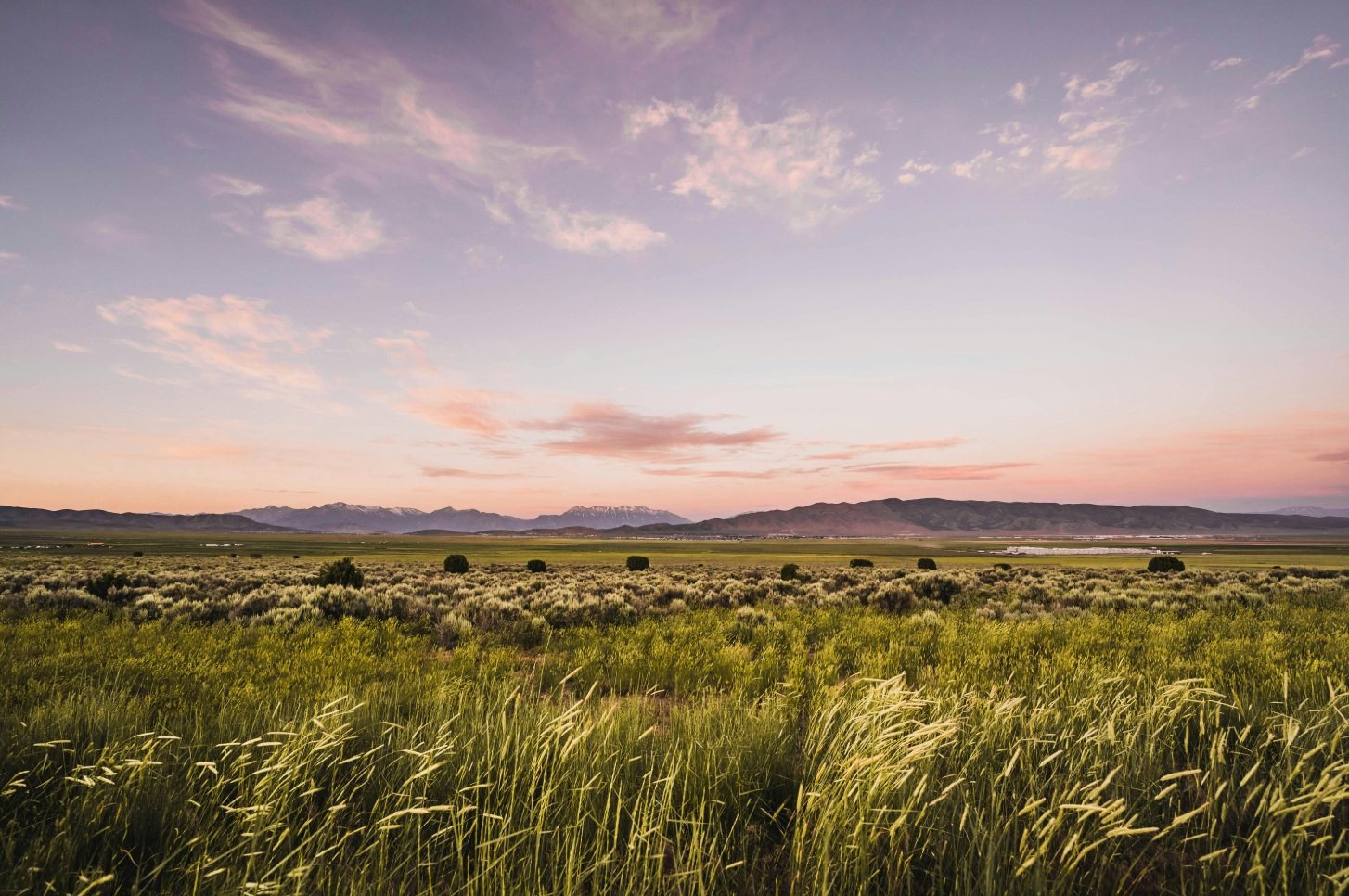
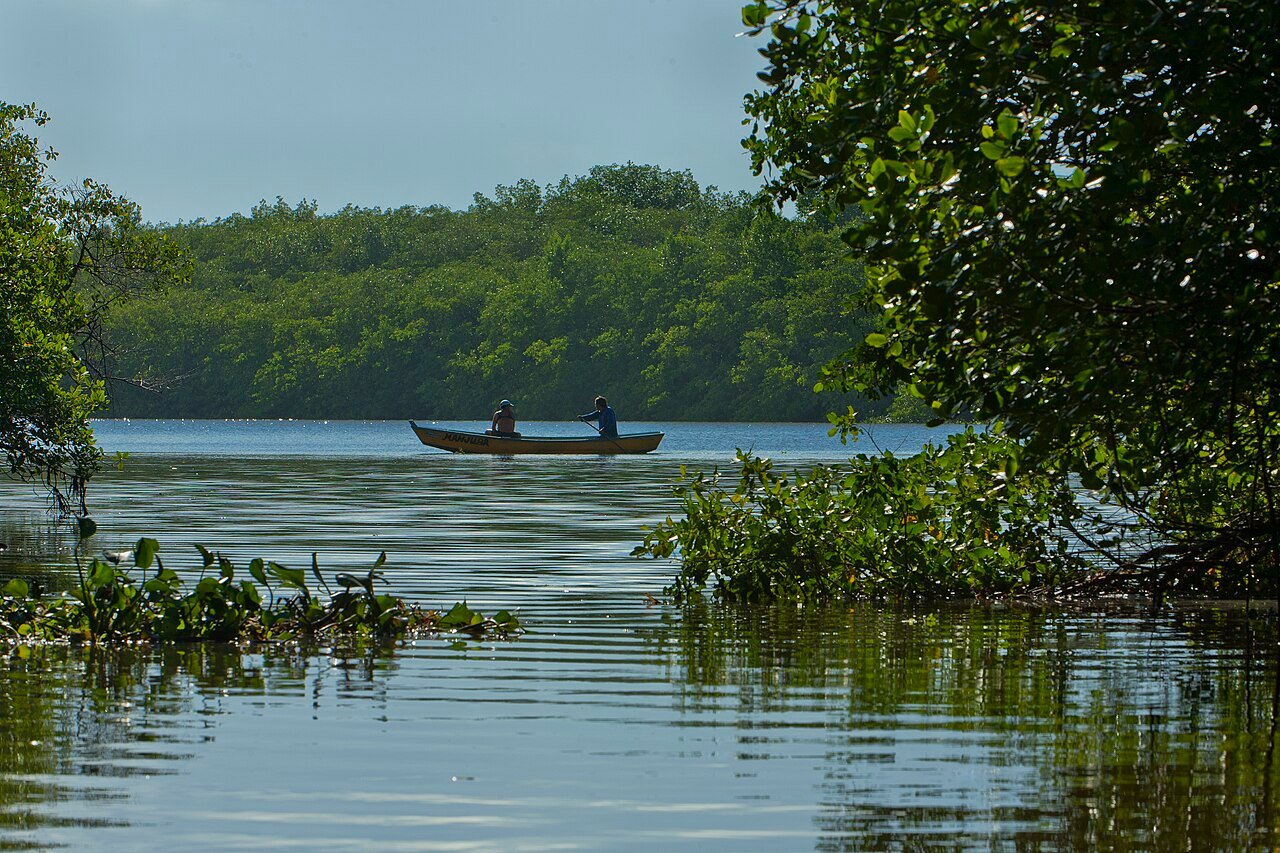 Jonathan Wilkins Attribution-ShareAlike 3.0 Unported CC BY-SA 3.0 Deed