Soil bacteria survive by cooperating with each other
 Pacific Northwest National Laboratory - PNNL Attribution-NonCommercial-ShareAlike 2.0 Generic CC BY-NC-SA 2.0 Deed
 With gene sequencing, researchers at Ohio State University have shown how bacteria cooperate to thrive in environments characterised by different pH levels
by Matteo Cavallito
Soil pH is a key determinant of bacterial community composition. But the need to deal with toxicity released during the nitrogen cycle determines crucial microbial interactions that ultimately shape the final microbial community. This is supported by a recent study from Ohio State University. The work, in particular, helps clarify the microbial basis of the global nitrogen cycle and may provide a new way of thinking about nitrous oxide emissions, a potent greenhouse gas.
pH is a key factor
The research, recently published in the journal Nature Microbiology, starts from a well-known idea: the strong correlation between bacteria and soil microbes in general and the pH of the latter. This is also correlated with the role of microbes in maintaining soil health and productivity. The authors, a statement says, used a dataset from a global collection of top soil samples.
In doing so, they sequenced the genomes of microbes and analysed important soil characteristics such as nitrogen and carbon content and acidity level.
Based on the genetic composition of the microbial communities, the researchers determined the functional roles of the microorganisms by identifying the presence of bacteria involved in the conversion of nitrogen into a form that can be assimilated by plants and subsequently released by them into the atmosphere. “A bioinformatics analysis,” the statement explains, showed that soil pH was the most important environmental factor associated with the abundance of these organisms.” But there is more.

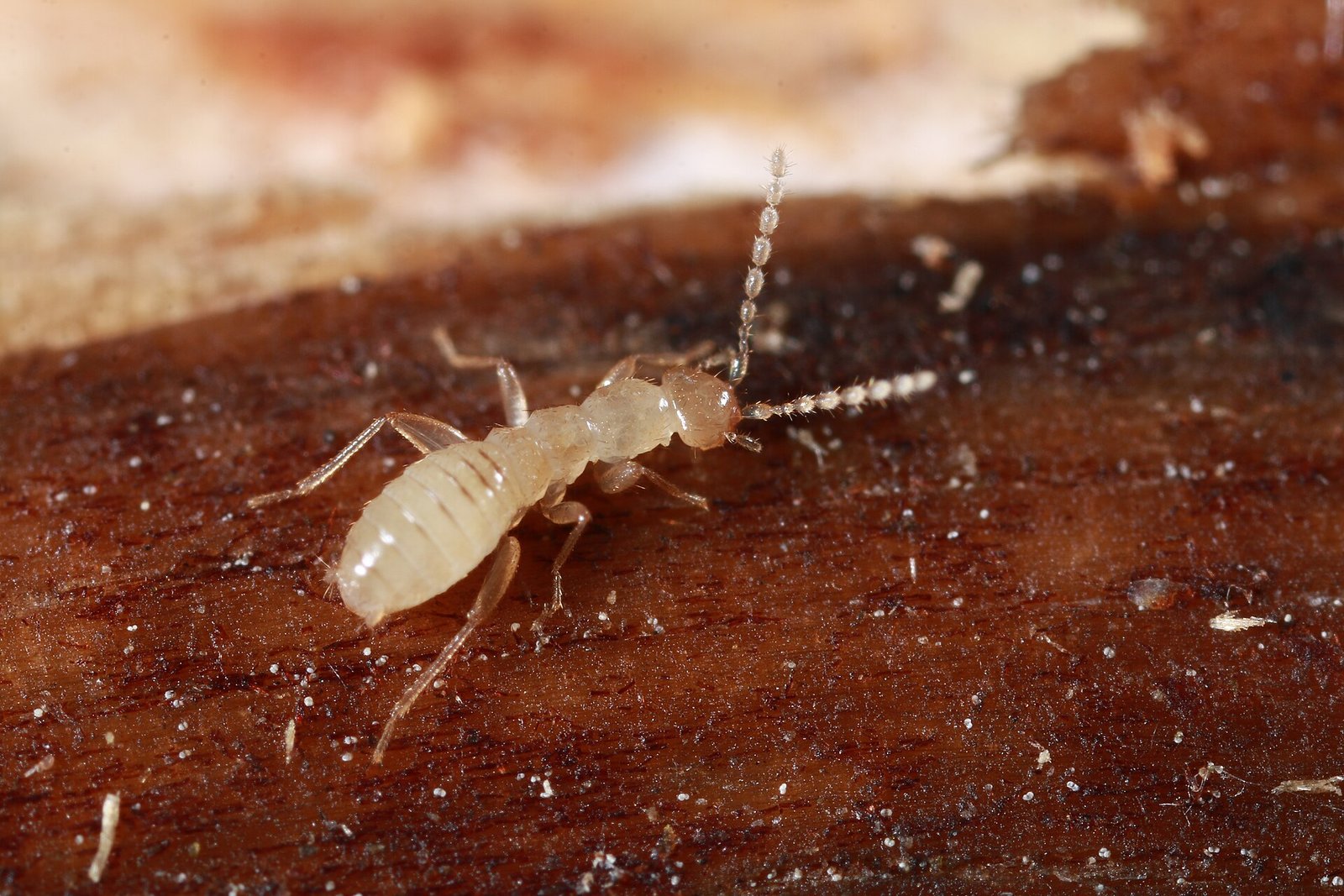
Organisation of the soil food web. Simplified model of the different groups of soil organisms: micro-, meso- and macrofauna are grouped into three categories in the food web and its functional differentiation. First, the micro-food web (dotted lines) comprises bacteria and fungi, which form the basis of the food web and decompose soil organic matter, which is the basic resource of the soil ecosystem, and their direct predators, protozoa and nematodes. Second, litter transformers include microarthropods that fragment litter, creating new surfaces for microbial attack. Finally, ecosystem engineers, such as termites, earthworms and ants, modify the soil structure by improving the circulation of nutrients, energy, gas and water. Adapted from Coleman and Wall, 2015. SOURCE: FAO State of knowledge of soil biodiversity—Report 2020.
Cooperation is also crucial
The researchers used the process of nitrogen compound processing (so-called denitrification) as a model to demonstrate how metagenomic patterns in soil microbiomes can emerge from interactions that are in turn conditioned by pH. “In an analysis of a global soil sequencing survey,” the research states, “we find that the abundances of two genotypes trade off with pH: nar gene abundances increase while nap abundances decrease with declining pH.”
Moreover, “We then show that in acidic conditions strains possessing nar fail to grow in isolation but are enriched in the community due to an ecological interaction with nap genotypes.”
In short, it is not only the environment itself that determines the higher or lower presence of certain bacteria, but also the set of interactions between different soil organisms. “This means that pH is affecting the interaction between organisms in the community in a more or less consistent way – it’s always about the toxicity of nitrite,” explained Karna Gowda, assistant professor of microbiology at Ohio State University and co-author of the study. “And this highlights how different bacteria work together to thrive in varying soil pH levels.”
New insights for climate mitigation
The research thus provides new insights into the dynamics involving bacteria and other microorganisms that, the authors note, are not only driven by the will to survive but also rely on each other for this purpose. A phenomenon that also has implications for the health of the environment and paves the way to new understandings.
In particular, understanding how interactions and the environment influence nitrous oxide emissions could provide new insights into mitigating the action of this potent greenhouse gas, according to the authors.
“Denitrifying bacteria are key sources and sinks of nitrous oxide in agricultural soils,” said Gowda. “While past studies have focused on the behavior of these nitrous oxide-emitting organisms in different pH conditions, considering their ecological interactions may offer new strategies to lower emissions.”
 Melissa McMasters Attribution 2.0 Generic CC BY 2.0 Deed
  Angal insect Attribution-ShareAlike 4.0 International CC BY-SA 4.0 Deed
  ECHO
ECHO