
Overgrazing halt not enough to restore soil in Brazil
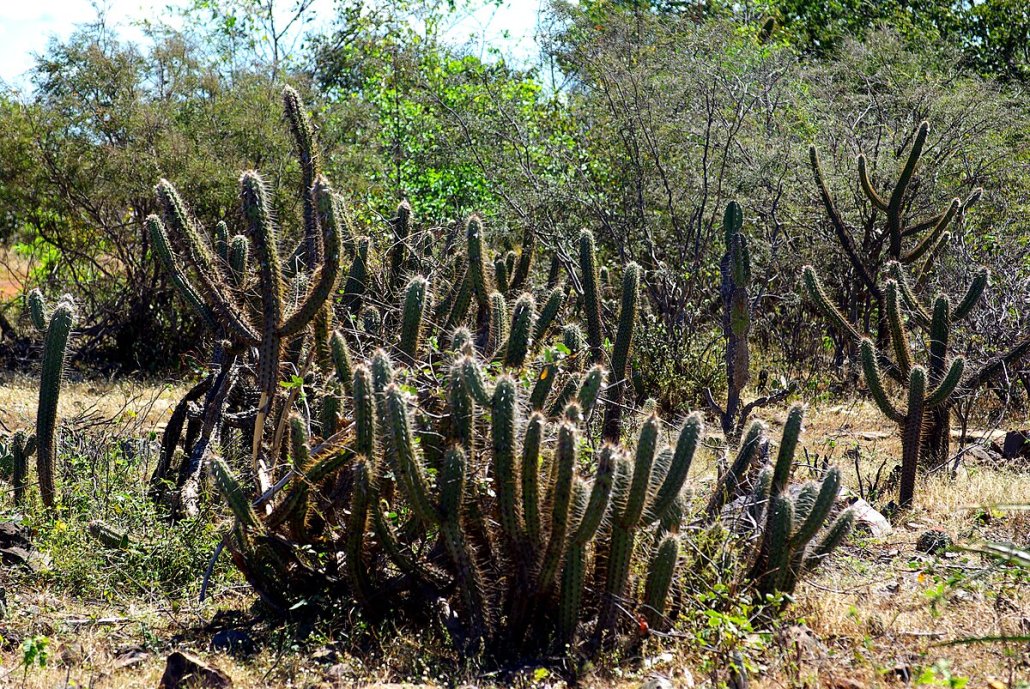 Photo: Otávio Nogueira Attribution 2.0 Generic CC BY 2.0 Deed
 The study in the Caatinga region in Brazil: stopping grazing is not enough to restore soil health. Additional regenerative practices must be adopted to achieve results
by Matteo Cavallito
Avoiding grazing is not sufficient in its own right to ensure the regeneration of soil already proven by the pressure of anthropogenic activities, a study conducted in Brazil says. The investigation, carried out by a group of researchers from the universities of Pernanbuco and São Paulo, focused on the Caatinga region in the eastern part of the country. The area, researchers explain, is also one of the richest in the world in terms of biodiversity.
The study in Brazil
Grazing, it is worth remembering, is not necessarily a problem per se. By harnessing the potential of livestock, soil and carbon cycle interactions, for example, this practice can also assume a regenerative role under certain circumstances, promoting carbon sequestration with a positive impact on soil and animal health. At the same time, however, its over-intensive management, especially in a semi-arid biome such as the Caatinga, by contrast becomes “the primary human-induced cause of soil degradation, intensely threatening lands vulnerable to desertification,” says research published in the Journal of Environmental Management.
“This study examines (i) how overgrazing impacts multiple soil indicators, functions, and overall soil health (SH) and (ii) whether natural early forest growth post-grazing exclusion enhances critical soil functions for ecosystem restoration.”
Conducted at the initiative of the Observatório Nacional da Dinâmica da Água e do Carbono no Bioma Caatinga in Recife, the research project covered a number of areas located in three municipalities in the semi-arid region of Pernambuco: Araripina, Sertânia and São Bento do Una. Scientists took soil and vegetation samples to assess the impact of degradation. More importantly, they searched for the first signs of recovery after grazing was stopped. Obtaining, so to speak, “disappointing” results.
“No significant differences after grazing halt”
“We compared preserved dense forests, long-term overgrazed pastures (over 30 years), and young fenced-off open forests (three years old) along a longitudinal transect in the Caatinga biome,” the authors explain. “Soil samples from the 0–20 cm layer were analyzed for thirteen physical, chemical, and biological indicators for a structured SH assessment, calculating index scores based on soil functions.” Overall, they note, the conversion of forest to degraded grassland resulted in a loss of 14.7 tons of carbon per hectare.
This same transition, moreover, produced a 18 percent regional decline in the soil health index compiled by the same researchers.
For biological indicators, such as microbial biomass carbon for example, the impact of forest conversion has been even more pronounced by reducing their values by more than 45 percent. But the real problem, the scientists explain, is quite another: after the stop imposed on grazing, in fact, “between grazed pastures and open forests no significant differences in functions or soil health were found.”
The importance of regeneration practices
Given these results, “It became clear that overgrazing causes severe degradation of soil health in the Caatinga, and that simply excluding animals is not enough to restore soil functions within a few years of isolating the area,” explained Wanderlei Bieluczyk, a researcher at the University of São Paulo in an article released by the FAPESP Agency, the state research foundation based in the same city.
Therefore, he adds, “The recovery of areas degraded by inappropriate pasture management, especially due to excessive grazing pressure, is a challenging process and probably requires additional practices.”
These in particular include green manure, a practice that relies on seeding or planting plant species that, once cut, can be incorporated into the soil, improving its structure and fertility. Also useful, the researchers explain, is the use of fast-growing trees, that is, plants that can form a dense canopy in a short period of time. In this way, the plants protect the soil from excess light by creating an ideal environment under the canopy that promotes the development of regenerative species that benefit the soil.
 Melissa McMasters Attribution 2.0 Generic CC BY 2.0 Deed
 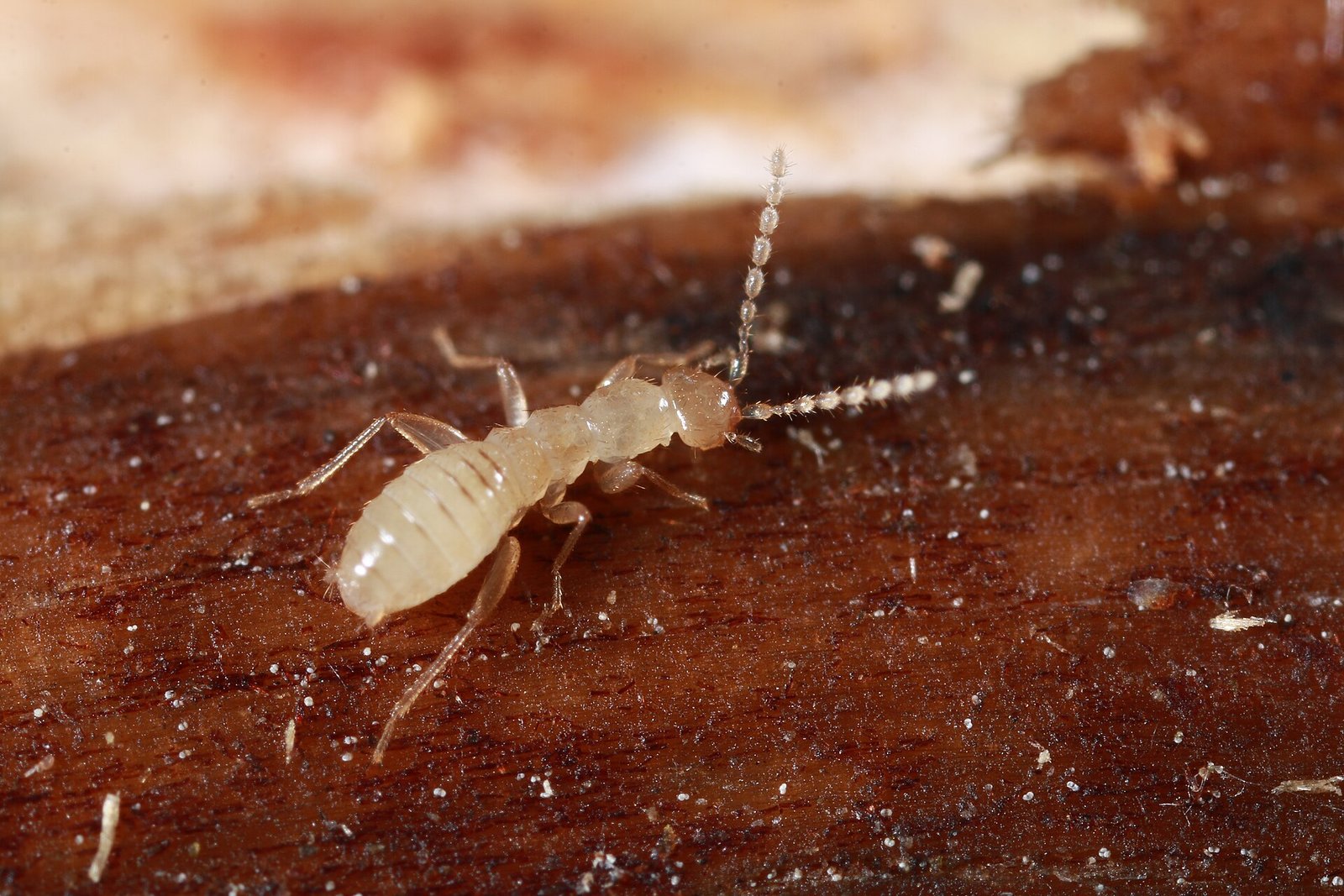 Angal insect Attribution-ShareAlike 4.0 International CC BY-SA 4.0 Deed
  ECHO
ECHO 


