Here is how the climate will affect the wetlands in North America
 Photo: Kelly Fike/U.S. Fish and Wildlife Service Northeast Region PUBLIC DOMAIN MARK 1.0 UNIVERSAL PDM 1.0 Deed
 Wetlands, a study from the US explains, will experience substantial drying during the summer. Impacting habitat and biodiversity from Florida to Mississippi to southeastern Canada
by Matteo Cavallito
Climate change will wipe out parts of North American wetlands and disrupt their seasonal regimes. This is the hypothesis put forward by a group of US researchers. The investigation, published in the journal Nature Communications, involved scientists from the Pacific Northwest National Laboratory (PNNL), the Lawrence Berkeley National Laboratory and the University of Michigan, who developed a new predictive model. This has been designed, they explained, to overcome the limitations of previously used models.
Old models do not work
Scientists refer to so-called Earth system models (ESMs) which are essential tools for understanding the impacts of climate change. However, in their current form, a Pacific Northwest statement explains, these models “usually represent wetland hydrology in oversimplified ways, resulting in low confidence of their projection of wetland evolution.”
To solve this problem, the researchers tried to improve the model by calibrating the parameters to provide a more reliable and accurate picture.
“The refined model simulates the wetlands and validates against satellite observations. With the refined model, researchers further found the wetlands over North America will be significantly affected by climate change under future scenarios.”
The impact of climate
The improved tool, which also takes into account the physical mechanisms of flooding, shows how global warming is able to deeply influence the components of the hydroclimate, thus modifying wetlands. This survey, the study reports, “reveals projected changes in wetland characteristics over North America from 25° to 53° North under two climate scenarios using a state-of-the-science ESM.”
In detail, ‘“At the continental scale, annual wetland area decreases by ~10% (6–14%) under the high emission scenario, but spatiotemporal changes vary, reaching up to ±50 percent.”
Growing emissions, the authors explain, increase the influence of temperatures in comparison with precipitation. In this scenario, they add, wetlands dry up substantially during the summer season. With consequences for the entire ecosystem. “The projected disruptions to wetland seasonality cycles imply further impacts on biodiversity in major wetland habitats of the upper Mississippi, Southeast Canada, and the Everglades (in Florida, ed.).”
Wetlands are under threat
Globally, scientists explain, wetlands are rich in biodiversity and provide various services including water supply for agricultural use and carbon storage. These areas also play an irreplaceable role in the hydrology of the landscape and the water cycle, producing favourable effects on the climate.
Over the years, however, many regions of the planet, including Europe, have been affected by their degradation.
A phenomenon that has at the same time stimulated various initiatives to restore their natural habitats. Currently, the study adds, “The large dependence of the projections on climate change scenarios underscores the importance of emission mitigation to sustaining wetland ecosystems in the future.”
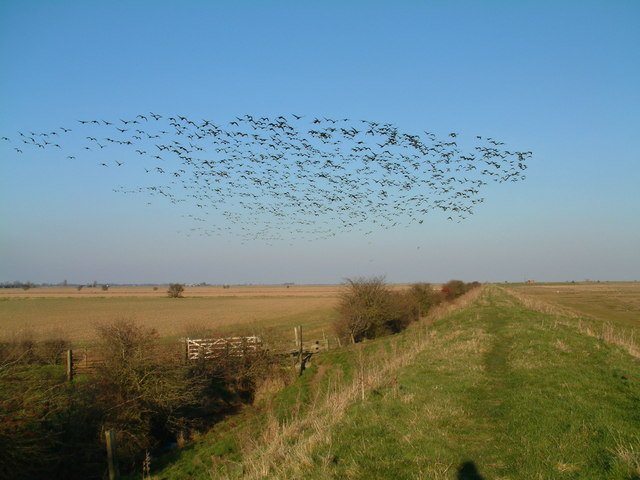 Ian Sharp Attribution-ShareAlike 2.0 Generic CC BY-SA 2.0 Deed
  Rod Waddington Attribution-ShareAlike 2.0 Generic CC BY-SA 2.0 Deed
 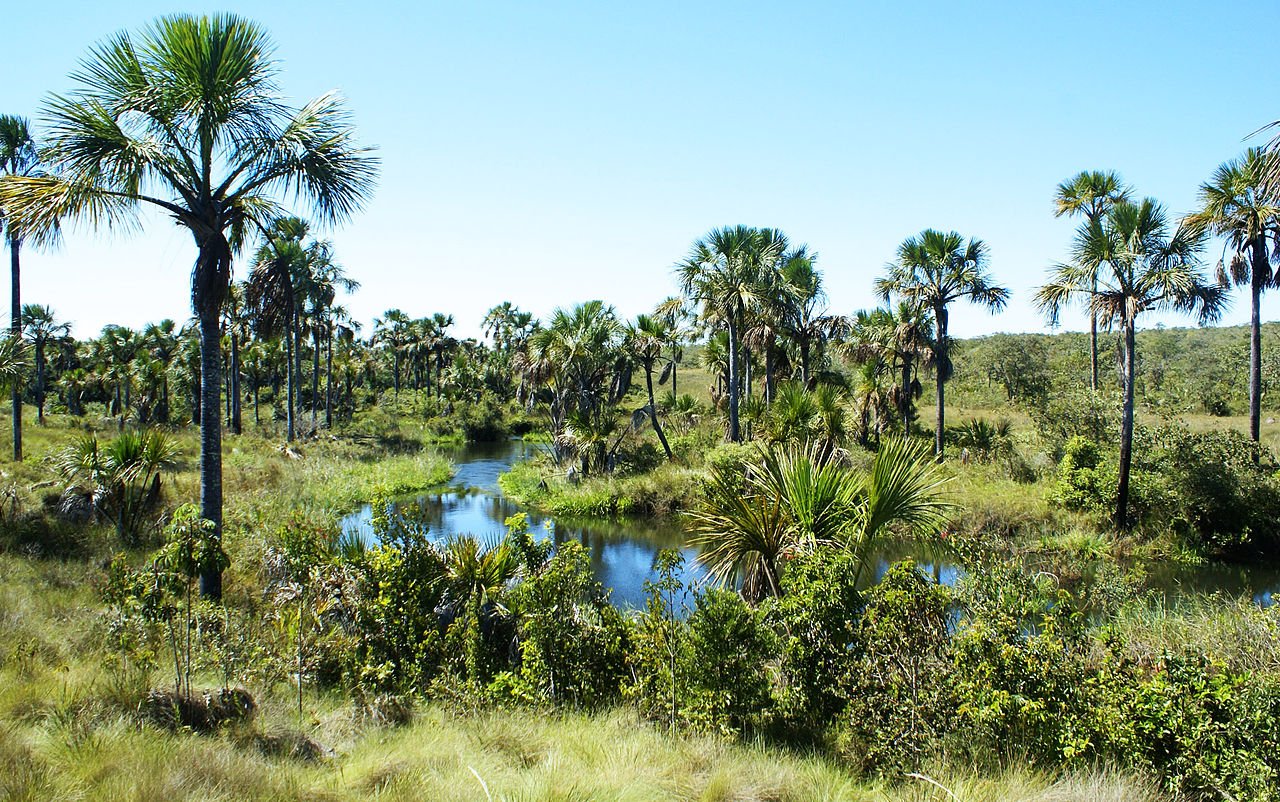 Thpelin Attribution-ShareAlike 3.0 Unported CC BY-SA 3.0 Deed