A Tea Bag Tells the Story of Carbon Sequestration in Wetlands
 According to the study, freshwater wetlands boast the highest carbon sequestration potential. Photo: Doug Beckers Attribution-ShareAlike 2.0 Generic CC BY-SA 2.0 Deed
 An unusual experiment sheds light on the impact of climate change on carbon capture in the Earth’s wetlands. In freshwater areas and tidal marshes lies the greatest sequestration potential
by Matteo Cavallito
Climate change is affecting the ability of wetlands to store carbon. Understanding which of these areas are most vulnerable to this phenomenon is not always easy. However, a rather unusual tool may now offer an answer: a tea bag. Or, to be more precise, 19,000 of them.
This is the number of these unconventional sensors placed in 180 wetland areas across 28 countries to measure the carbon sequestration capacity of the soil. The initiative, led by a team of scientists and volunteers from four universities, was summarized in a study published in Environmental Science & Technology, the journal of the American Chemical Society.
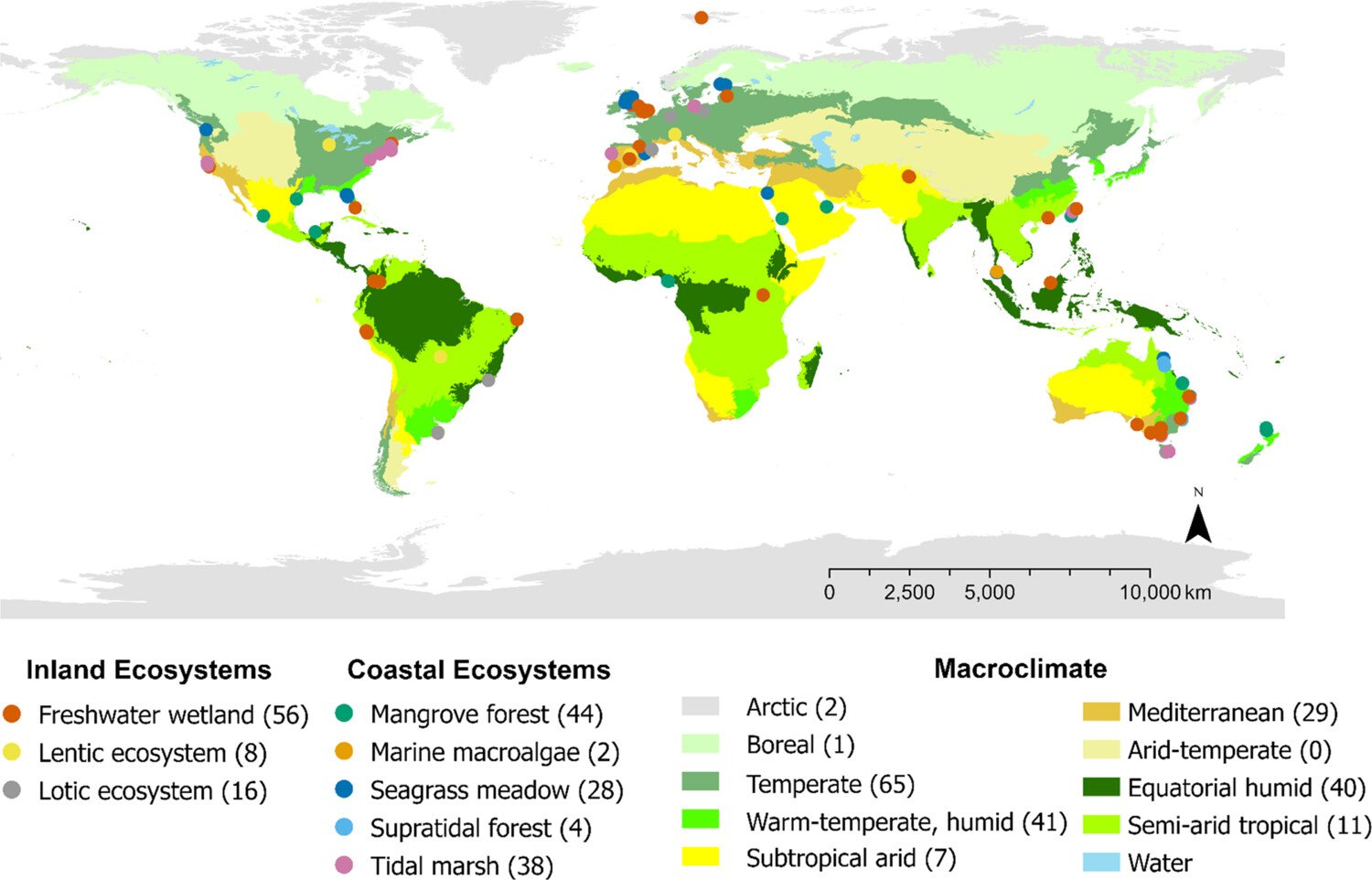
The study involved 180 sites across 28 countries worldwide, representing various ecosystems. Image: Environ. Sci. Technol. 2024, 58, 49, 21589–21603, Attribution-NonCommercial-NoDerivatives 4.0 International CC BY-NC-ND 4.0 Deed
The Study
“This is the first long-term study of its kind, using this tea bags method, which will help guide how we can maximise carbon storage in wetlands and help lower emissions globally,” explained in a statement Stacey Trevathan-Tackett, a researcher at the Royal Melbourne Institute of Technology and co-author of the study. “Changes in carbon sinks can significantly influence global warming – the less carbon decomposed means more carbon stored and less carbon in the atmosphere.”
The scientists buried tens of thousands of tea bags at a depth of about 15 cm in various locations and retrieved them at different intervals over three years.
They then measured the remaining organic mass to assess the amount of carbon retained in the wetlands. The study used two types of tea – green and rooibos – to represent different types of organic material in the soil. Green tea decomposes easily, while rooibos takes longer to degrade. By evaluating the behavior of both compounds, the researchers were able to create a more precise picture of the storage capacity of different wetlands.
In freshwater areas and tidal marshes the greatest potential for sequestration
In general, the authors explained, higher temperatures led to more rapid decay of organic matter, resulting in less carbon retention in the soil. This effect was particularly evident with rooibos, while green tea bags decomposed at varying rates depending on the type of wetland: more quickly in freshwater zones and more slowly in mangrove areas and seagrass habitats.
“Freshwater wetlands and tidal marshes had the highest tea mass remaining, indicating a greater potential for carbon preservation in these ecosystems,” the study states.
Furthermore, “Recalcitrant organic matter decomposition increased with elevated temperatures throughout the decay period, e.g., increase from 10 to 20 °C corresponded to a 1.46-fold increase in the decay rate constant.” Finally, the rise in temperatures may also contribute to increased plant carbon production and storage, potentially offsetting the carbon losses due to warmer climates in wetlands. This aspect, however, will require further research.
The Role of Wetlands
According to the authors, the study’s results help provide insights into global carbon sequestration dynamics in wetlands. “Applying the common metric across aquatic, wetland, marine and terrestrial ecosystems allows for a conceptual comparison and understanding of key drivers involved in the control of global litter carbon turnover,” said Ika Djukic, a researcher at the Swiss Federal Institute for Forest.
The researchers aim to combine their data with others to develop global predictive models on carbon sequestration. These tools are essential for studying the phenomenon in environments threatened by human activities, such as deforestation, and the effects of anthropogenic climate change, starting with sea-level rise.
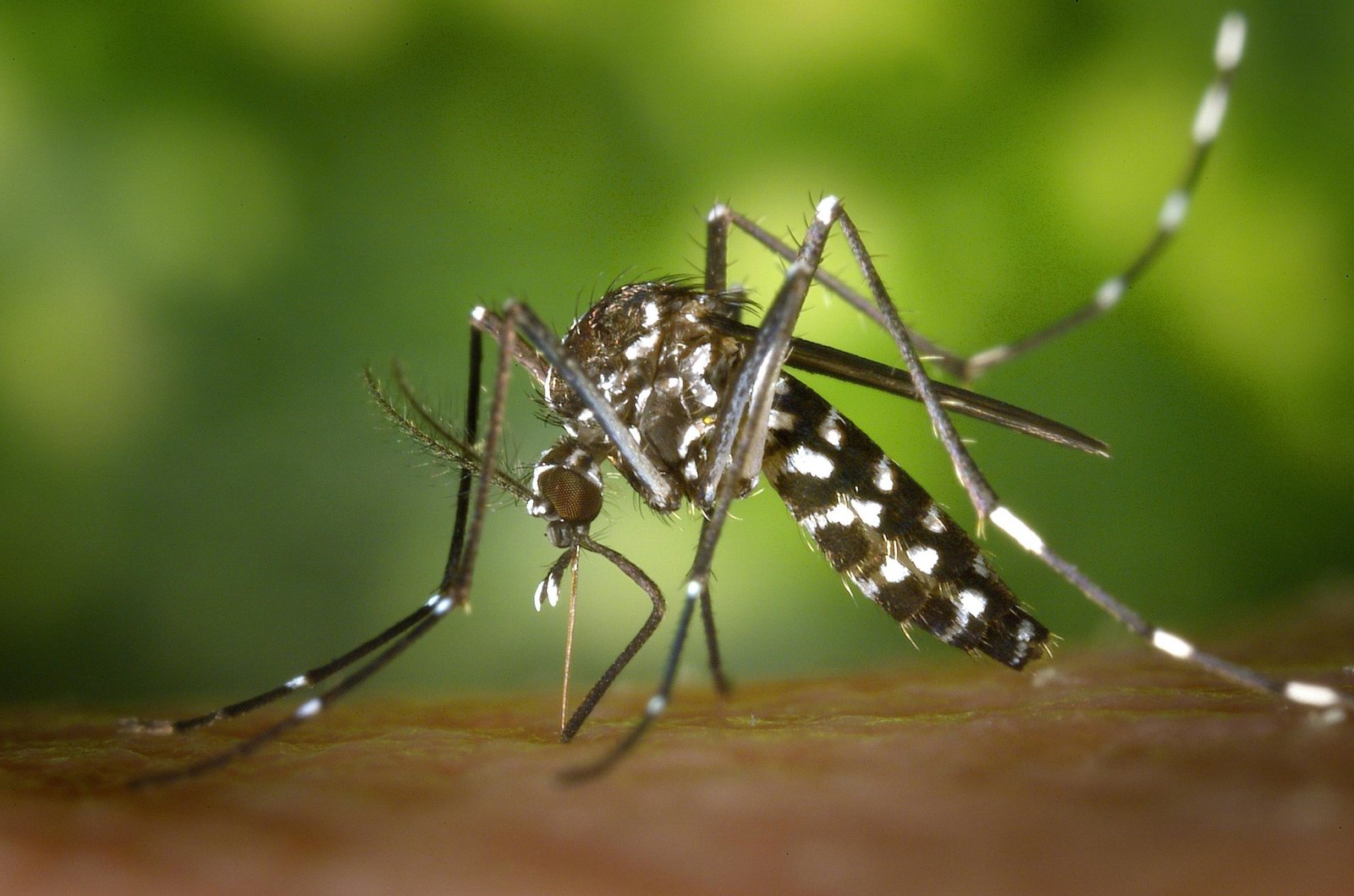 Photo: Pexels free to use CC0
  SOUL
SOUL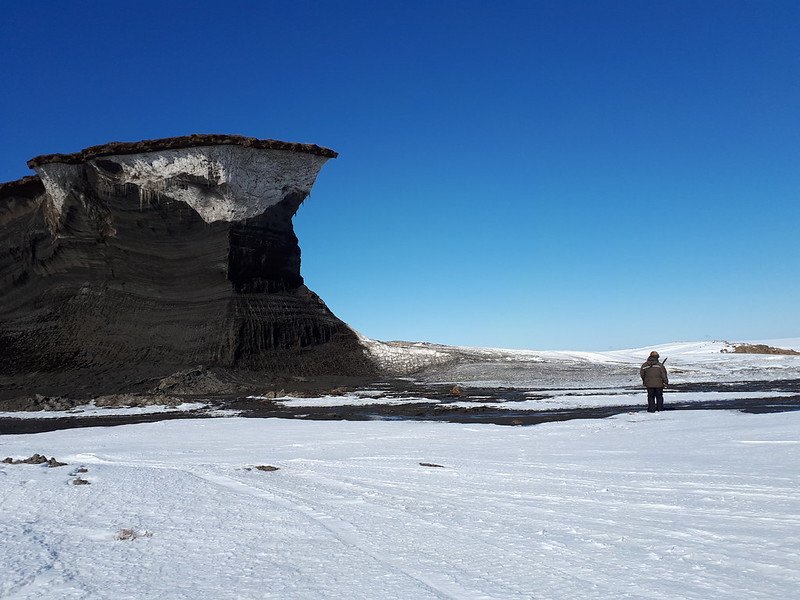 Vincent Sasseville/Nunataryuk Attribution-NonCommercial-ShareAlike 2.0 Generic CC BY-NC-SA 2.0 Deed https://www.flickr.com/photos/gridarendal/49555909433