In the Amazon region post-fire stress can last in forests for decades
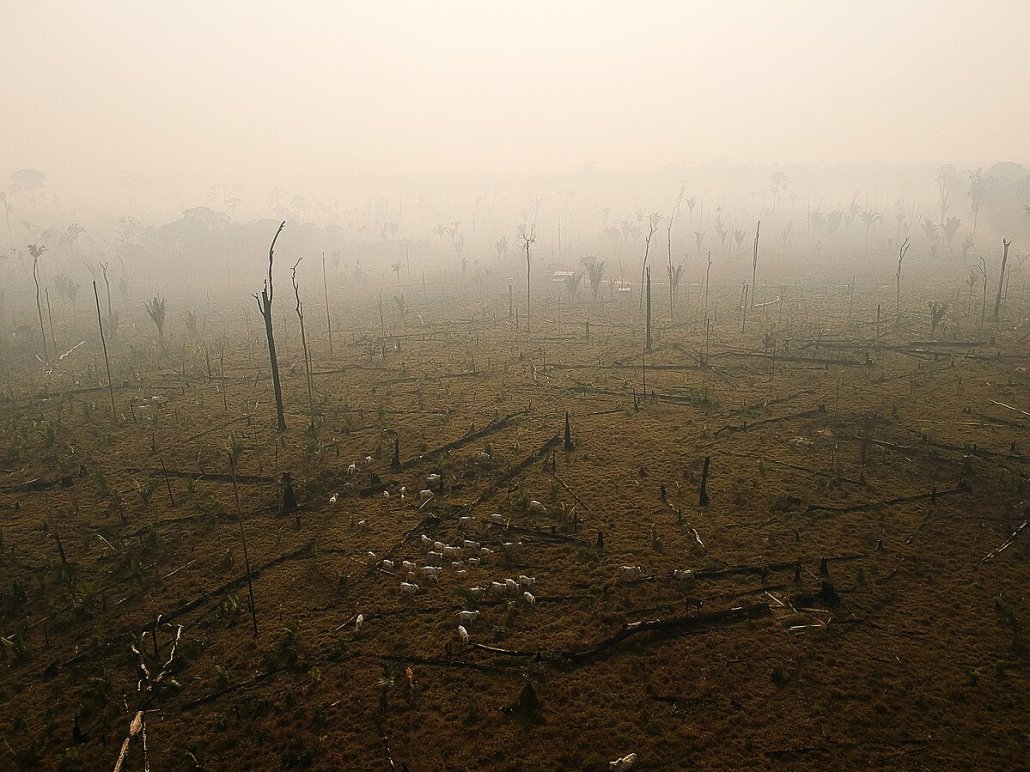 Bruno Kelly/Amazônia Real/11/08/2020 Attribution 2.0 Generic CC BY 2.0 Deed
NASA research shows that forests in the region affected by fires remain warmer than normal for at least 30 years. This has obvious consequences for their carbon storage and climate mitigation capacity
by Matteo Cavallito
The effects of fires on the Brazilian Amazon rainforest can last a very long time, with significant consequences for the overall carbon balance. This is highlighted by recent research, which shows that areas damaged by fire remain around 2.6°C warmer than those not affected. This excess heat can also persist for at least 30 years. In short, fire alters forests, slowing their recovery and reducing their ability to store carbon, i.e., to contribute to global climate mitigation.
“We’re finding that burning has major ecological impacts over large timescales,” explained Savannah S. Cooley, a scientist at NASA’s Ames Research Center and co-author of the study published in the journal Environmental Research Letters. As for regeneration, she added, it is “much more at risk—it’s slower or not happening at all.”
Thermal instability increases after fires
By analyzing satellite images of the municipality of Feliz Natal, in southeastern Amazonia, an area characterized since the 1980s by intense fires and deforestation, researchers conducted the first systematic thermal comparison between burned, selectively logged, and intact forests. The study, conducted in collaboration with Columbia University’s Climate School, examined three years of soil surface temperature data and analyzed more than 6,700 ground observations.
This allowed them to monitor how often leaves exposed to the sun exceeded the critical limits beyond which photosynthesis slows down or tissue damage occurs.
In addition to being warmer on average, they explain, the burned forests in the study area were also more thermally unstable. During heat peaks in the dry season, in fact, “87% of leaves in the warmest burned forest patches exceeded the temperature threshold where respiration surpasses photosynthesis, compared to approximately 72%–74% in intact and logged forests, respectively,” the study says.
Permanent damage is 10 times more likely in burned forests
And there’s more. The areas affected by fires have experienced modest thermal recovery over time, taking as long as 30 years to record an average decrease of approximately 1.2°C. Furthermore, although low in absolute terms, the areas affected by fires have experienced a modest thermal recovery over time, taking The areas affected by fires have experienced modest thermal recovery over time, taking as long as 30 years to record an average decrease of approximately 1.2°C. Furthermore, although low in absolute terms, the probability of exceeding the critical temperature thresholds that cause permanent damage to leaves was ten times higher in burned forests. This has obvious implications for the future of forest regeneration.
In tropical areas, scientists explain, “Burned tropical forests will experience substantially higher mortality rates and slower biomass recovery compared to intact and selectively logged forests, especially in water-limited regions where trees cannot rely on evaporative cooling to moderate canopy temperatures.”
In summary, fires thin the upper canopy, eliminate mid- and lower-level vegetation, and reduce leaf area, decreasing shade and transpiration, which normally help cool the forest. The flames also create margins in contact with deforested land, allowing warmer air to penetrate the forest, which consequently retains excess heat until its vegetation layers are restored. This process can take decades.
The climate benefits of restoring forests may be overestimated
The increased vulnerability of the regions observed is therefore due to their structural characteristics. Unlike ecosystems adapted to fire, such as savannahs or pine forests, Amazonian rainforests have evolved in wet conditions that have made natural fires rare. As a result, many tropical tree species have not developed characteristics to tolerate or recover from fire damage.
The results of the study provide an important contribution to a better definition of mitigation and reforestation strategies which, scientists point out, often treat degraded forests as a single category, with the risk of failing to understand the specific fragility of tropical forests. Which means underestimating the prolonged damage caused by thermal stress and, other words, overestimating the mitigation benefits of forest regeneration.
 Melissa McMasters Attribution 2.0 Generic CC BY 2.0 Deed
 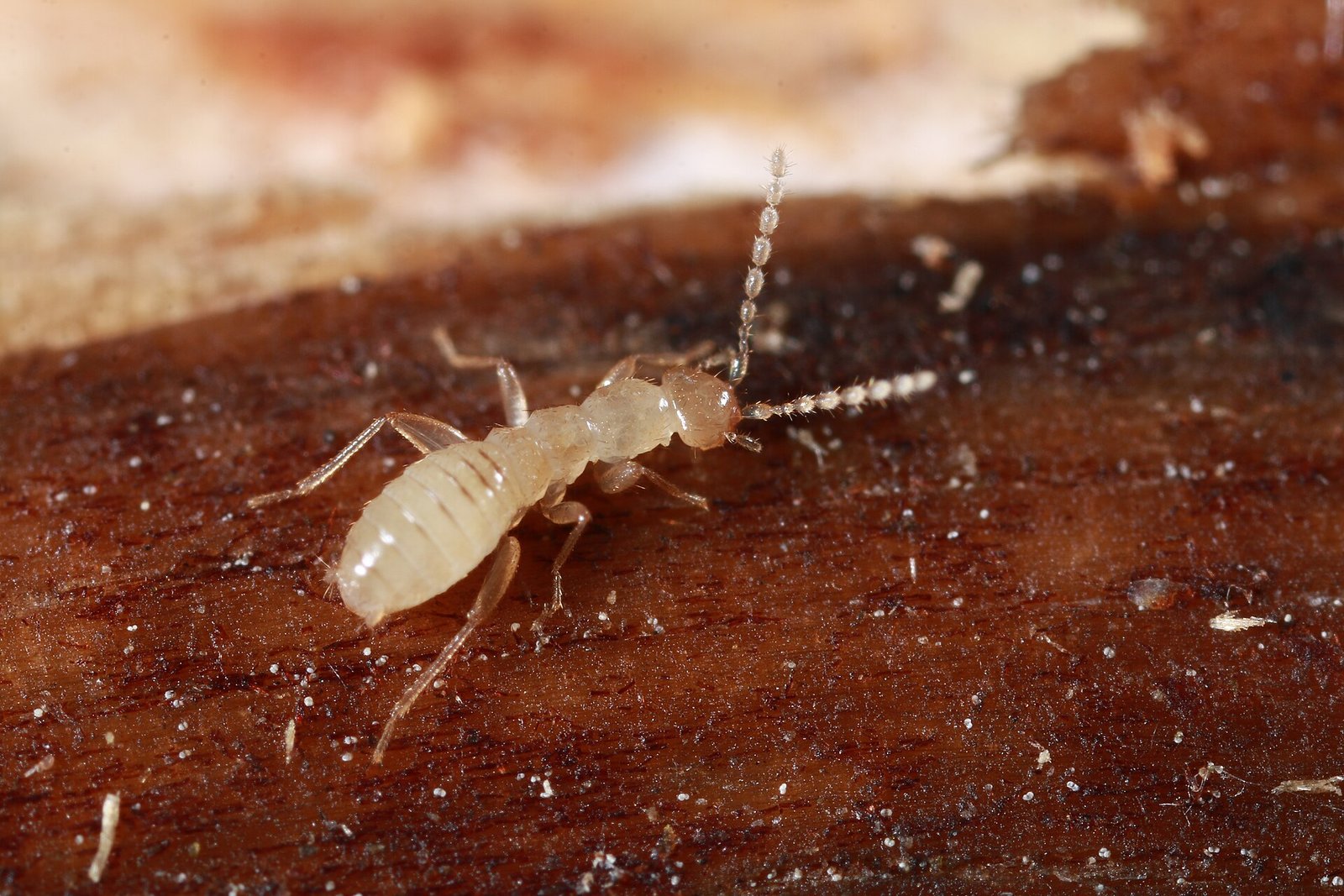 Angal insect Attribution-ShareAlike 4.0 International CC BY-SA 4.0 Deed
  ECHO
ECHO