Researchers use circular strategies to turn waste into bioproducts
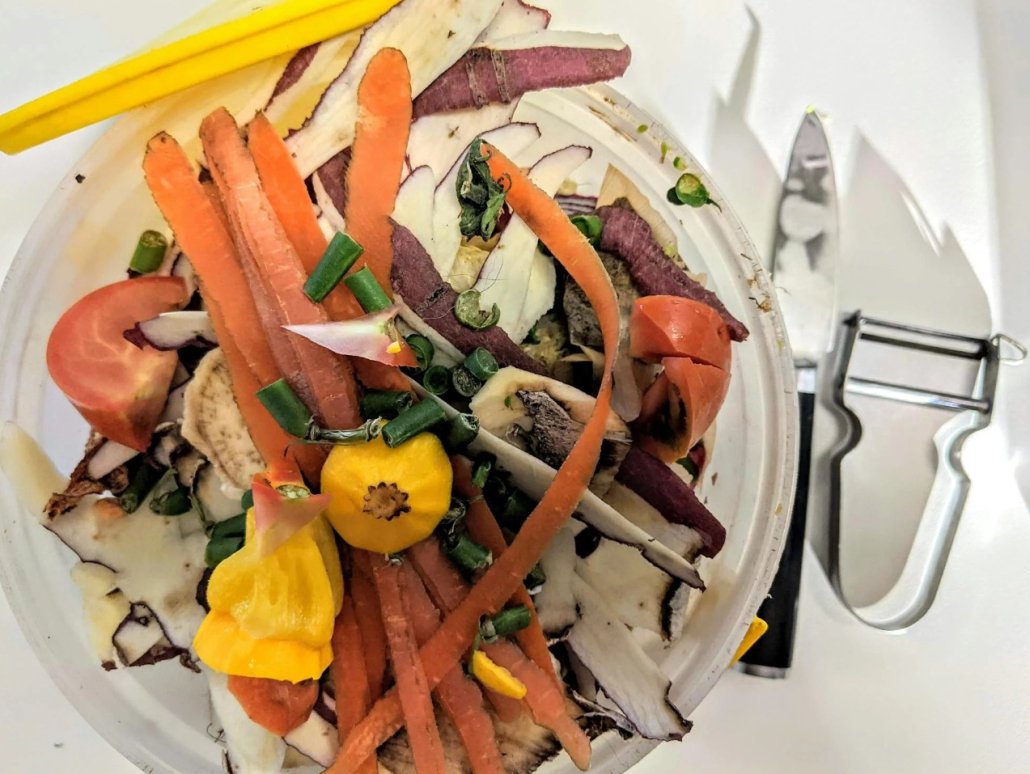 Denise Nys, Pexels free to use
 The European Biorecer project, which is active in Greece, Italy, Spain and Sweden, aims to create new value chains through the creation of bioproducts based on the circular recovery of organic waste
by Matteo Cavallito
Turning organic waste into bioproducts by reducing dependence on fossil fuels, promoting circular resource management, countering greenwashing and creating new opportunities for the agricultural sector to add value. These are the main objectives of the BIORECER project, an initiative, funded by the European Union, that aims to create new resources for soil and crops-such as biofertilizers or organic additives-through the recycling of urban, agricultural, fishing and forestry waste.
Actions in four countries
Four regions in as many European countries are hosting the project’s research activities, according to an article published in the EU Commission’s journal, Horizon: Central Macedonia in Greece, Galicia in Spain, Lombardy in Italy, and Vӓsternorrland, Sweden. Multiple waste products are being studied. “In Greece, the researchers are exploring possible scenarios for reuse of biological waste from sources such as the pruning of tree crops, residue from olive and grape processing, or leftover plant waste from cereal crops,” the article explains.
In Lombardy, research “will focus more on urban biological waste, mainly from sewage and organic municipal waste, as well as food waste from large companies.”
The goal is to make bioproducts such as “bio-based chemicals and fertilisers.” In Galicia, where the fishing industry is thriving, researchers “are considering reuse options for the huge amounts of fish waste and cooking water generated by the fish canning industry.” Finally, in Sweden, the focus is on exploiting waste resources from the forestry sector such as “debris composed of branches, roots and tree tops, sawdust, bark and sludge.”
Creating new value chains with bioproducts
By turning organic waste into bioproducts, the project, which is part of the European Action Plan for the Circular Economy, aims to create new economic opportunities by contributing to waste reduction. Through circular use of materials, in short, farmers can grow the value of their business.
“For instance, farmers may burn waste from activities like pruning or use them for lower-value economic activities like the production of biogas or biofertilisers,” explained Sotiris Patsios, a researcher at the Centre for Research and Technology Hellas (CERTH) in Thessaloniki involved in the project in Greece. “We want to develop value chains with a higher economic value, such as those for wider biomaterials and biochemicals.” Other examples include wood construction products, such as particleboard, made from composite biomaterials.
Certification and traceability
One of the main obstacles to reusing waste materials, Horizon reminds us, is the need to ensure their quality and safety. For this reason, the project is also focusing on creating a certification system for bioproducts by improving already available attestation methods such as ISCC PLUS, Forest Stewardship Council and others. This would help promote the acceptance and dissemination of bioproducts in industry and among consumers.
Finally, another goal is to counter the phenomenon of greenwashing. Researchers are working to develop reliable traceability and data collection schemes to ensure that manufactured products actually meet environmental standards and are not, quite simply, deceptively advertised as such.
 Thpelin Attribution-ShareAlike 3.0 Unported CC BY-SA 3.0 Deed
 Jonathan Wilkins Attribution-ShareAlike 3.0 Unported CC BY-SA 3.0 Deed