Bioeconomy: The EU Commission presents its new strategy
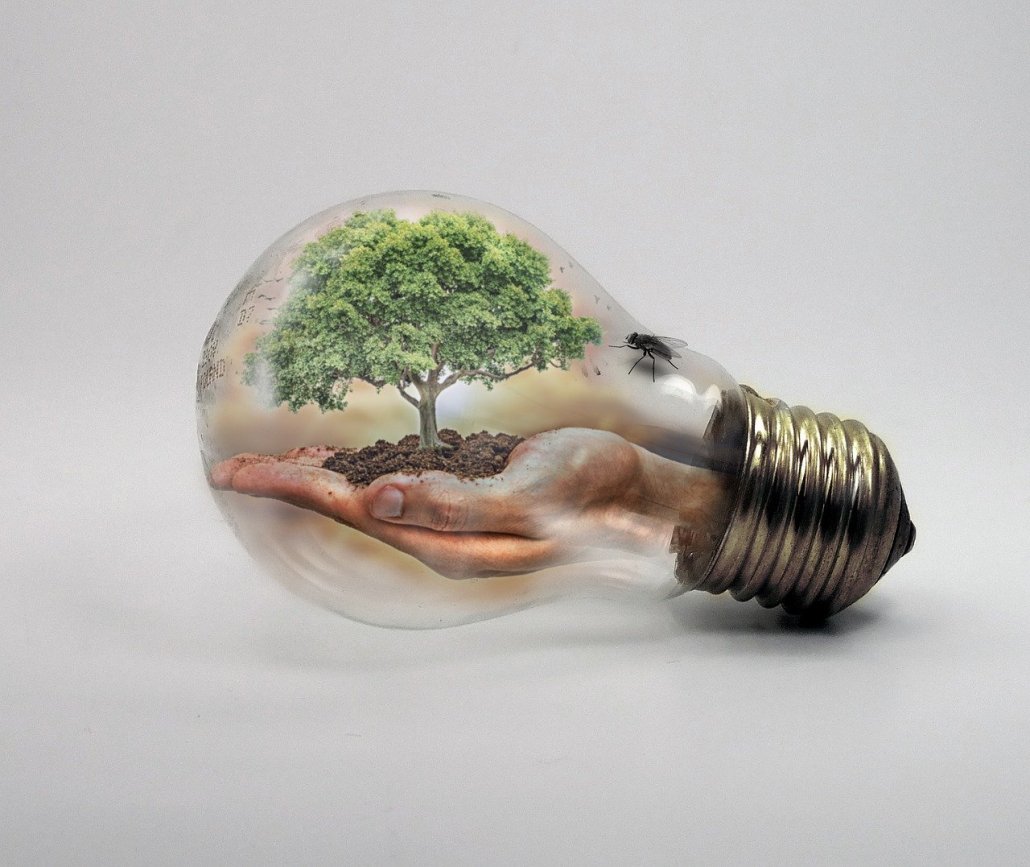
The document aims to increase the Union’s competitiveness through the development of the various sectors of the bioeconomy, a meta-sector that is already worth 2,700 billion and employs over 17 million people (8% of total employment)
by Emanuele Isonio
“By using renewable land-based and marine biological resources and providing alternatives to critical raw materials, the EU will move towards a more circular and decarbonized economy and reduce dependence on fossil fuel imports.” These are the words used by EU Commissioner for Environment and Circular Economy Jessika Roswall to present the details of the new European Bioeconomy Strategy. The document outlines a path forward for building a clean, competitive, and resilient European economy.
“The bioeconomy offers Europe the opportunity to strengthen its resilience, replace fossil-based materials and products, create jobs, and lead the global shift to clean industries. With this new strategy, the EU will support activities that provide practical sustainable solutions using our biological resources in sectors such as agriculture, forestry, fisheries, aquaculture, biomass processing, biomanufacturing, and biotechnology. It will harness the vast potential of these resources, scientific excellence, and industrial base, and encourage innovations that benefit the climate, nature, and society,” the European Commission said in a statement.

EU Environment Commissioner Jessika Roswall presents details of the new European Bioeconomy Strategy. PHOTO: © Copyright European Union – 2025
The fourth document dedicated to the bioeconomy
This isn’t the first time the EU has produced a dedicated document on the bioeconomy: the new strategic framework follows the 2012 Bioeconomy Strategy and the reviews conducted in 2018 and 2022. This time, however, the focus shifts to industrial deployment, market expansion, competitiveness, and resilience. It’s time to strengthen the industrial applications derived from the principles of the circular bioeconomy.
The latter, in fact, spans many different sectors and encompasses, within each of them, all activities that use biological resources to create added value. Using biomass transformation, biomanufacturing, and biotechnologies, the bioeconomy supports food, health, energy, industry, and ecosystem services.
Examples of products include algae-based chemicals used to produce pharmaceuticals, personal care products, and industrial applications. Bio-based plastics are increasingly used in automotive parts and packaging (such as compostable bioplastics used for organic waste management and in the agri-food sector). Bioconstruction, textile fibers, and fertilizers are also increasingly in demand.
A potential still untapped
The bioeconomy already makes a significant contribution to GDP and employment rates in the EU. The most recent data available indicate that it will be worth up to €2.7 trillion in 2023 and will provide employment to 17.1 million people (approximately 8% of European jobs). Indirect benefits must also be added: every job created in the bioeconomy creates three related jobs.
However, the untapped potential is still enormous. The EU Bioeconomy Strategy aims to unlock this potential by increasing innovation and investment, developing lead markets for bio-based materials and technologies, ensuring sustainable biomass supplies, and exploiting global opportunities. The aim is to prevent research from remaining exclusively in laboratories. Scaling up bio-based innovation requires a combination of public and private investment, as well as a simplified regulatory environment.
A regulatory framework that rewards circular entrepreneurs
“Our vision is clear: a future where Europe is built on nature, innovation, and circular solutions rooted in a competitive and sustainable bioeconomy,” Roswall commented. “The bioeconomy offers enormous potential for expansion—from the products we use every day, to the homes we live in, to large-scale industrial applications. This is a growth strategy that will increase our resilience and competitiveness while ensuring that nature and healthy ecosystems remain the backbone of our economy. It will create local jobs, replace fossil fuels, and protect the nature we all rely on.”
The Commission will therefore work to create a coherent and simplified regulatory framework that rewards circular and sustainable business models while safeguarding EU safety standards. Faster, clearer, and simpler approvals for innovative solutions will help businesses, especially SMEs, develop and grow in Europe. The EU executive will also ensure that current and future EU funding is directed towards biotechnology. And to stimulate private investment, the Commission proposes convening a Bioeconomy Investment Diffusion Group to create a pipeline of bankable projects, share risk more effectively, and attract private capital.

Some regions have multiple strategies related to the bioeconomy. On this map, regions appear only with the strategy that is ranked highest in the strategy pyramid (see map legend). © EU, 2022
Developing lead markets
To unlock investment and enable expansion, the Commission has identified innovative markets for bio-based materials and technologies. These include bio-based sectors such as plastics, fibers, textiles chemicals, fertilizers, plant protection products, construction materials, biorefineries, advanced fermentation, and permanent biogenic carbon storage, which have high potential for both economic growth and environmental benefits. The Commission will stimulate demand for bio-based content in products, for example by setting targets in relevant legislation.
The strategy proposes to establish an Alliance for a Biotechnology-Driven Europe, which will bring together EU companies to collectively procure €10 billion worth of bio-based solutions by 2030.
Ensuring sustainable use of biomass
“While strengthening today’s competitiveness, we must also build tomorrow’s resilience. Europe is largely self-sufficient in biomass, but we must ensure it remains that way,” the Commission statement reads. The EU Bioeconomy Strategy therefore emphasizes the need to responsibly source biomass, ensuring that forests, soil, water, and ecosystems are managed within their ecological limits. Promoting circularity and valorizing secondary biomass, such as agricultural residues, by-products, and organic waste, is crucial. The Commission will launch initiatives to reward farmers and foresters who protect soils, improve carbon sinks, and support the sustainable use of biomass.
With its strong research base and innovative industries, Europe is well positioned to become a global leader in sustainable bio-based technologies, materials, products, and expertise.
With this strategy, the EU will support European industry in accessing global markets by ensuring partnerships that reduce vulnerability and ensuring that Europe is not dependent on a single region or resource. In the current fragile geopolitical climate, resource security strengthens the EU’s competitiveness and resilience.
The reactions
The industry community’s comments on the Commission’s text were generally positive. “It’s a strong signal that Europe views the bioeconomy not just as a sector, but as a strategic pillar for its green and industrial transitions,” commented the European Bioeconomy Bureau, a non-governmental organization that supports the promotion of the bio-based economy. “Equally important is the renewed focus on sustainability. The strategy strengthens EU monitoring systems, promotes clearer standards and labels for organic products, and provides guidance to ensure that biomass production protects nature, soil, and biodiversity”.
Alongside the positive aspects, however, there are critical issues. “The widespread calls from many stakeholders for effective mechanisms to create markets for biotech products have gone unanswered. The lack of market stimuli such as targets, mandates, and obligations hinders the transition from fossil to plant-based raw materials and their transformation into innovative materials. We hope that this lack of market mechanisms will be addressed in specific legislative acts”.
“In seeking a holistic approach, the European strategy does not directly link the use of biological resources to the competitive revitalization of the chemicals sector,” adds Chiara Di Mambro, director of strategy for Italy and Europe at the ECCO think tank. “The emerging picture remains opaque</strong>, particularly with regard to the design of the incentive system, which currently favors the use of biomass for bioenergy, without adequate support for innovation and the development of biomaterials.”
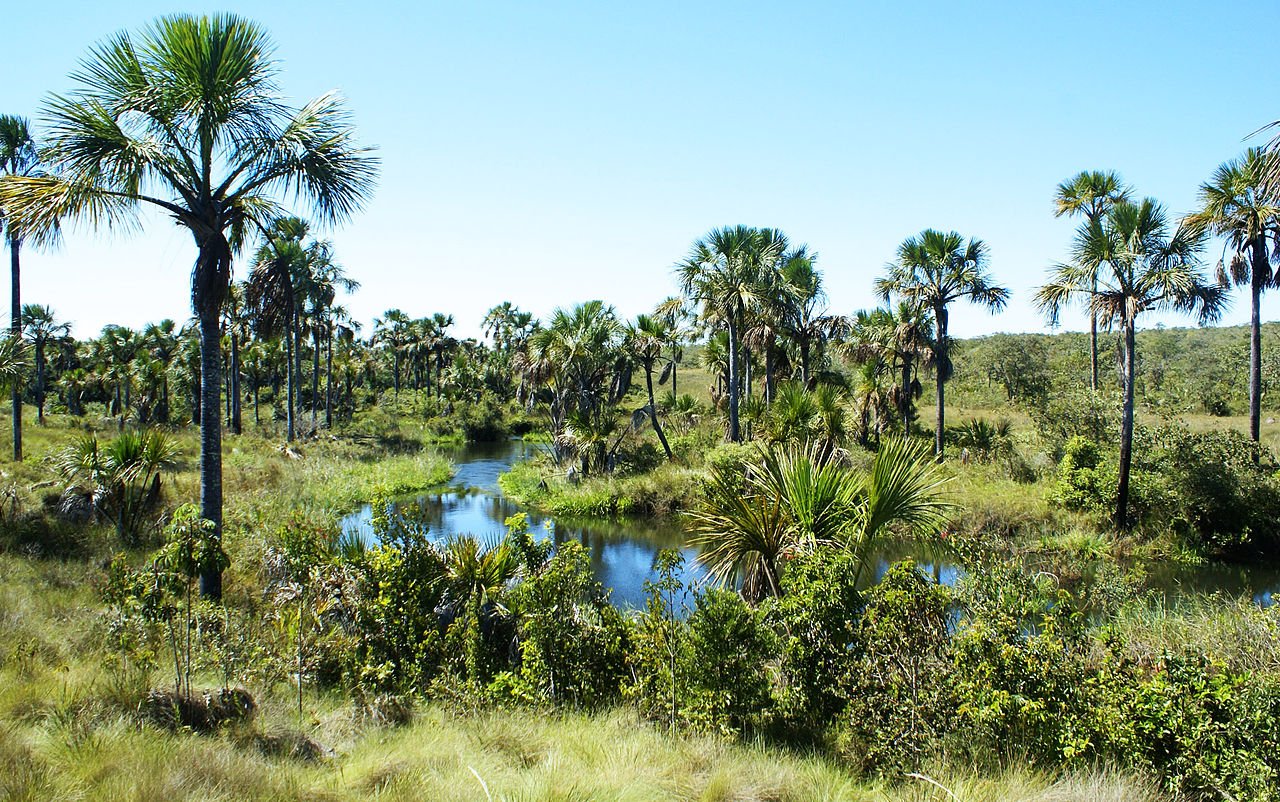 Thpelin Attribution-ShareAlike 3.0 Unported CC BY-SA 3.0 Deed
 Jonathan Wilkins Attribution-ShareAlike 3.0 Unported CC BY-SA 3.0 Deed