Soil pollution causes the spread of cardiovascular diseases
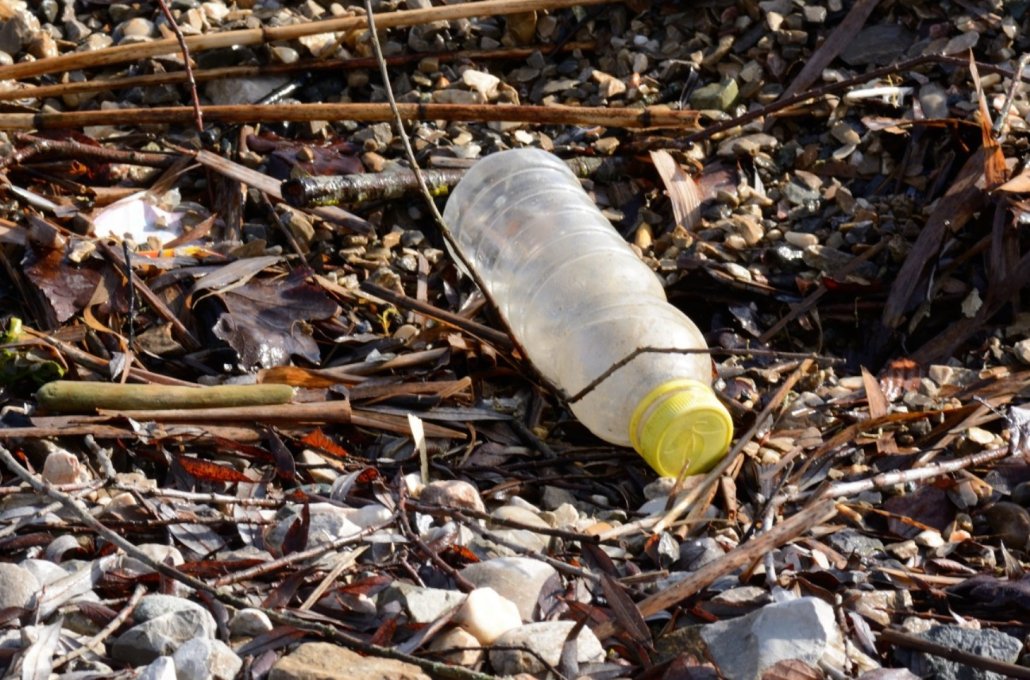 PXHERE CC0 Public Domain Free for personal and commercial use No attribution required
 Contamination of soil, water and air causes around 9 million premature deaths per year, a German study says. More than half are of cardiovascular origin
by Matteo Cavallito
Chemical pollution of soil, water, air and food is ‘a major environmental threat, leading to an estimated 9 million premature deaths worldwide’. This is according to research from the University of Mainz, Germany, which also involved researchers from other countries. The study, published in the journal Nature Reviews Cardiology, first of all calls into question the estimates of the Global Burden of Disease, one of the largest research programmes on a global scale, according to which pollution would produce 5.5 million deaths from cardiovascular diseases in 2019. The authors also paint a picture of the problem by emphasising the role of certain contaminants in particular, anthropogenic events and disease triggering mechanisms.
Fires, climate and deforestation encourage the phenomenon
‘Degradation of the soil threatens the health of at least 3.2 billion people (40% of the global population), whereas >2 billion people live in water-stressed countries (25% of the global population),’ the study explains. Alongside the degradation comes the presence of pollutants that, researchers explain, ‘diminish its capacity to produce food, leading to crop impurities, malnutrition and disease, and they can seep into rivers, worsening water pollution’.
A number of man-made events such as deforestation, fires and climate change favour the phenomenon. These phenomena, in particular, ‘exacerbate pollution by triggering soil erosion and releasing sequestered pollutants into the air and water’.
Thus, the main contaminants can spread and enter the human food chain, damaging health. Under indictment, in particular, are certain elements of various origins. ‘Robust evidence has linked multiple pollutants, including heavy metals, pesticides, dioxins and toxic synthetic chemicals, with increased risk of cardiovascular disease,’ the study continues. ‘Some reports suggest an association between microplastic and nanoplastic particles and cardiovascular disease.’
The result: oxidative stress and inflammation
But what is the mechanism behind this? Outlining the relationship between soil and water pollution and health, the authors provide an answer: ‘Despite their varied chemical makeup, pollutants induce cardiovascular disease through common pathophysiological mechanisms’.
In detail: ‘Pollution by heavy metals, pesticides, and microplastics and nanoplastics causes cardiovascular damage by interacting with protein-bound thiols, inducing oxidative stress and inflammation, and impairing circadian rhythms.’ In addition to cardiac problems, exposure to toxic substances ‘at workplaces, through consumer products or indirectly via environmental contamination contributes to endothelial dysfunction’.
Soil pollution is a global problem
The intrusion of toxic substances into the soil remains a critical phenomenon worldwide. In 2022, in response to the problem, the FAO officially launched the International Network on Soil Pollution, an alliance formed to ‘stop soil pollution and achieve the global goal of Zero Pollution’. A year earlier, the report ‘Global Assessment of Soil Pollution’ had highlighted how the Planet’s soils were absorbing 109 million tonnes of synthetic nitrogen fertilisers. The report also recalled how between 2000 and 2017, pesticide use on a global scale had increased by 75 per cent.
Also of concern is plastic pollution. According to the FAO, agricultural supply chains use 12.5 million tonnes of products made from this material every year. Another 37.3 million tonnes are used in food packaging. The largest users are the various segments of agricultural production and livestock farming, with a total of 10.2 million tonnes per year. This is followed by fishing and aquaculture with 2.1 million tonnes and forestry with 200 thousand tonnes.
 Melissa McMasters Attribution 2.0 Generic CC BY 2.0 Deed
  Angal insect Attribution-ShareAlike 4.0 International CC BY-SA 4.0 Deed
  ECHO
ECHO