Study reveals how much nitrogen grasslands can tolerate
 Cortez Rohr/USFWS Public Domain Mark 1.0 Universal PDM 1.0 Deed
According to researchers, applying more than 80 kg of nitrogen per hectare in a year would make grasslands “functionally poor, highly unstable and vulnerable to extreme weather events”
by Matteo Cavallito
Scientists calla them “ecological thresholds”, or the barriers not to be crossed. These are the critical limits of an ecosystem beyond which even small changes in conditions can have disproportionate effects on the biodiversity and the functioning of those environments. This concept is analysed in a recent study published in the journal Nature Ecology & Evolution that examined the impact of nitrogen fertilizers in grasslands.
The authors, in particular, measured for the first time, the amount of the element capable of causing plant species to lose their ability to coexist. A phenomenon that in turn causes a sharp decline in the variety of species – and the services they provide – making the ecosystems extremely vulnerable to climatic events.
Grasslands are among the most endangered ecosystems
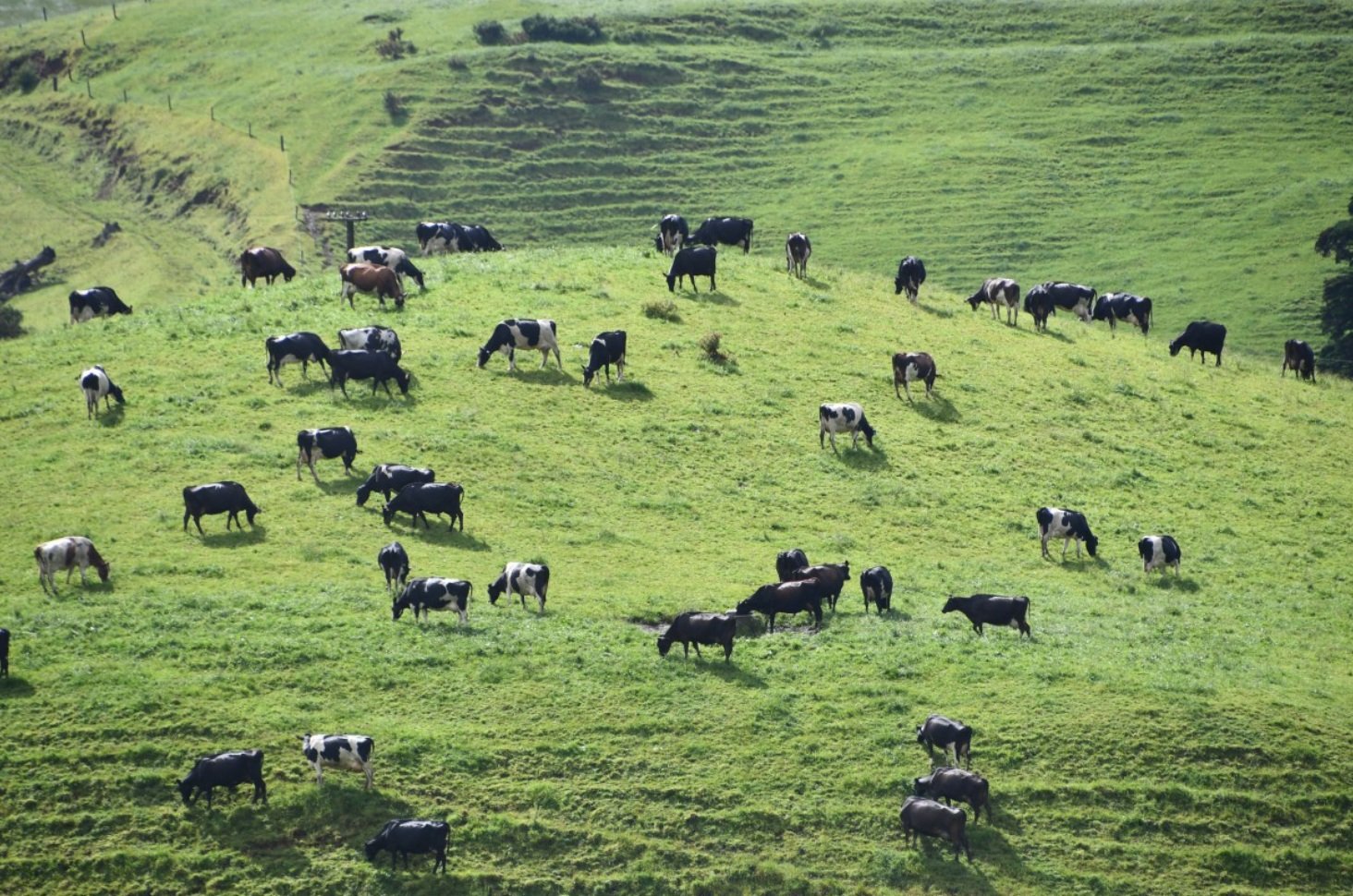
Grasslands, explain researchers from INRAE, the Institut national de la recherche agronomique, a French public agency that collaborated on the study, are home to a wide variety of plant species and provide numerous ecosystem services, such as carbon sequestration, support for pollinators and grazing for livestock (including regenerative grazing). However, they are also some of the most threatened ecosystems due to human activities, including land use change and intensive agricultural practices.
Among the soil stresses is the extensive use of fertilizers, which can cause a buildup of nitrogen, jeopardizing the resilience of the ecosystem and its actors.
To better understand the phenomenon, the researchers compiled data collected on 150 temperate grasslands in Germany between 2008 and 2020. These environments, they explained, are particularly representative of Western European agricultural ecosystems and are managed with different levels of intensity.
One hectare of soil can tolerate a maximum of 80 kg of nitrogen per year
To identify ecological thresholds, the researchers then analyzed a number of plant functional traits such as leaf size and growth rate that determine how species react to, interact with, and affect the environment. Fertilization, they explain, constitutes the first threshold: in fields treated with nitrogen products, in fact, biodiversity is reduced. Even if the ecosystem remains stable and productive.
The main problem occurs later. “The second threshold occurred when fertilization exceeded 80 kg of nitrogen per hectare per year or when grazing exceeded 500 livestock units days per hectare per year,” the study states.
Beyond these limits, the research continues, “the most intensively managed grasslands were functionally poor, highly unstable and vulnerable to extreme weather events.” The identified ecological thresholds, the study concludes, “may provide targets for sustainable management and fertilization practices.”
The challenge: preventing critical changes in ecosystems
The study, therefore, allowed for the first time to identify a threshold beyond which agricultural intensification no longer produces more crop plant biomass. While generating, by contrast, greater nutrient loss through leaching due to increased water infiltration. As a result, crops become more vulnerable to climatic stresses such as drought in particular.
The knowledge provided by the research can now help to better assess the ability of grasslands to sustain high plant diversity. And to intervene early at the first signs of declining ecosystem services. The proposed approach, the authors conclude, could also be applied to the management of other environmental problems – such as lake eutrophication, fish and forest resource management, or desertification – to prevent critical changes in ecosystems by anticipating their degradation.
 Vincent Sasseville/Nunataryuk Attribution-NonCommercial-ShareAlike 2.0 Generic CC BY-NC-SA 2.0 Deed https://www.flickr.com/photos/gridarendal/49555909433
  Pxhere CC0 Public Domain Free for personal and commercial use No attribution required
  Photo: Parambikulam Tiger Conservation Foundation Attribution-ShareAlike 4.0 International CC BY-SA 4.0 Deed