New tracker details how EU Soil Strategy is progressing
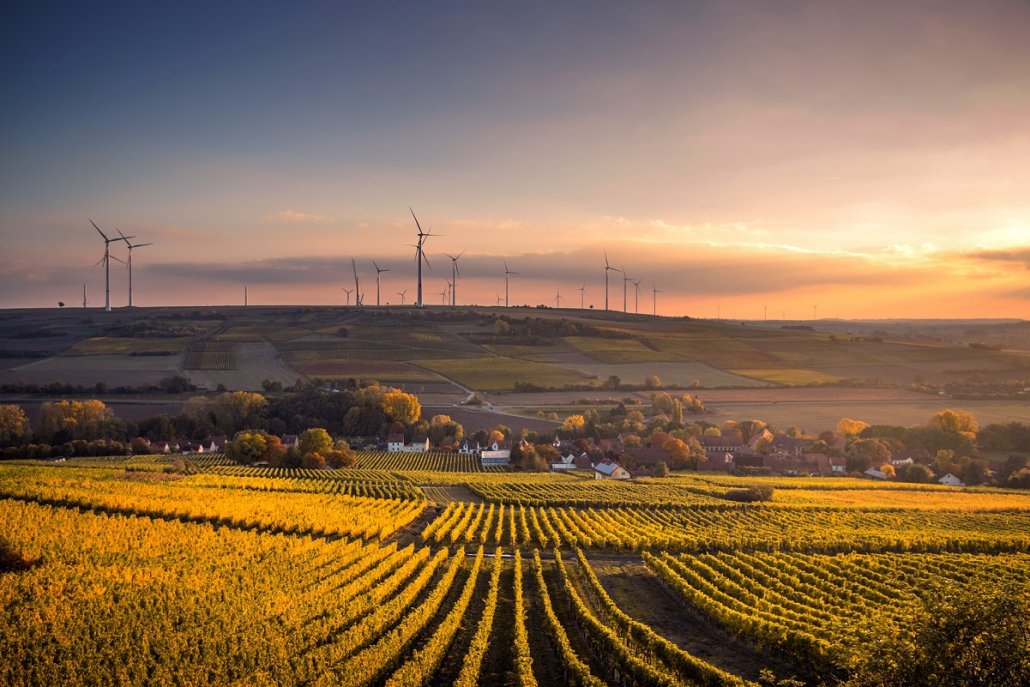 Karsten Würth CC0 1.0 Universal CC0 1.0 Deed
 A new tool from the European Soil Data Center provides a comprehensive overview of progress made since 2021 to date on actions shaping the EU Soil Strategy
by Matteo Cavallito
Sixty-two actions completed, 24 still ongoing, 4 withdrawn. This is, for the moment, the track record of the European Union’s Soil Strategy 2030 initiatives. A new tool made available by the EU Commission’s European Soil Data Centre (ESDAC) tells the tale: the Soil Strategy Policy Tracker, “designed to track the progress of these concrete measures and actions.”
The resource makes it possible to check the progress of projects launched to “protect and restore soil by ensuring its sustainable use,” setting a vision and targets to achieve this by mid-century “to achieve healthy soil by 2050, with concrete actions by 2030” The Strategy is supported in turn by the EU Mission A Soil Deal for Europe, which aims to create 100 Living Labs and Lighthouse Farms, the research and innovation facilities for soil health.
Soil interventions and beyond
The Actions Tracker provides a comprehensive overview of interventions conducted from 2021, the Commission says. Today degradation affects more than 60 percent of European soils. A phenomenon that generates costs of tens of billions per year while also putting food security at risk.
Restoration actions primarily address the overall objectives of the Strategy. These include the development of a proposed Nature Restoration Law and the development of land health indicators. The initiatives also positively impact other dimensions including climate mitigation, water quality, biodiversity protection, and the circular bioeconomy.
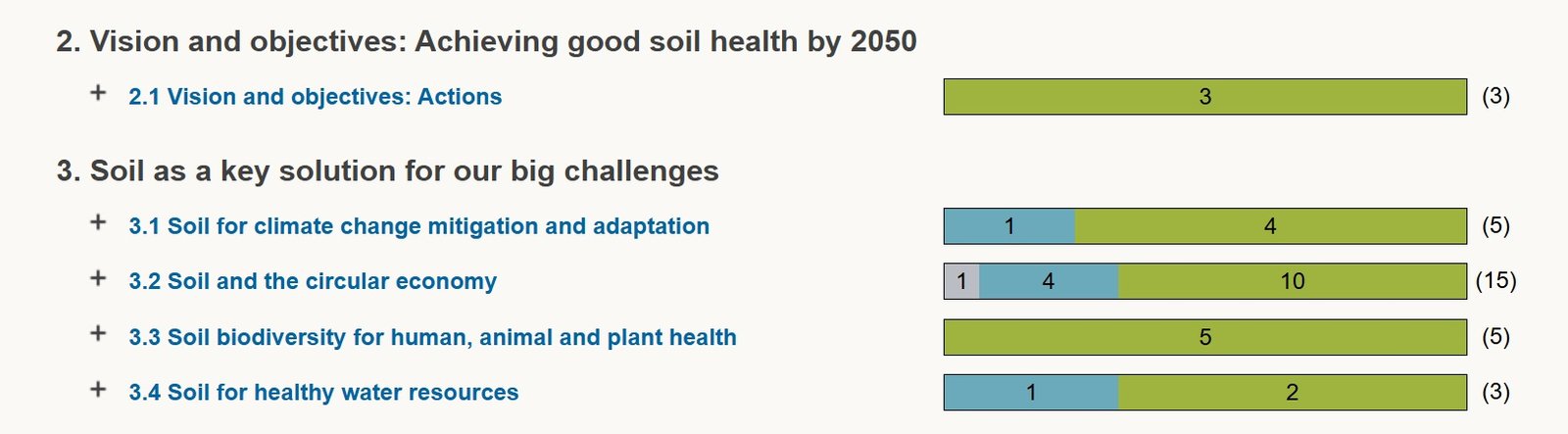
Source: European Soil Data Centre (ESDAC), “target=”_blank” rel=””EU noopener”>”, 2025
Actions for the circular bioeconomy
Circular bioeconomy seems to have taken a leading position: as many as 15 actions dedicated to the themes of <strong>circular waste treatment, biomass valorization, and the reintroduction of waste into the production cycle and beyond directly or indirectly affect the Soil Strategy. The ten completed actions include, among others, the monitoring of member states’ progress in meeting their land <strong>consumption reduction targets and the review of the Urban Waste Water Treatment Directive.
But also the evaluation of measures to halve nutrient losses, the funding of a new LIFE project for high-quality compost, and support for research into the production of organic fertilizers from biowaste.
Beware of land consumption
Ongoing actions also include the revision of European Union guidelines on soil sealing, an issue that has long generated particular concern. EU countries have yet to set targets for reducing net land consumption (i.e., the balance between the area occupied and the area released) by incorporating the principles of the so-called “land take hierarchy”.
Combating degradation
Many actions have been completed against land degradation and for soil restoration. These include actions on limiting intentional use and combating unintentional release of microplastics. In addition, the EU has already developed “a policy framework for bioplastics” by adopting biodegradability criteria for certain polymers.
Other initiatives include last October’s initiative in which the Commission proposes that states “to declare the European Union affected by desertification under the United Nations Convention (UNCCD).”
Land restoration
Ongoing actions include among others efforts to limit the nonessential use of PFAS, the per- and polyfluoroalkyl substances considered particularly hazardous to human health. The review of contaminant limits for EU fertilizer products also continues, while a similar measure for the Directive on the Sustainable Use of Pesticides has been withdrawn.
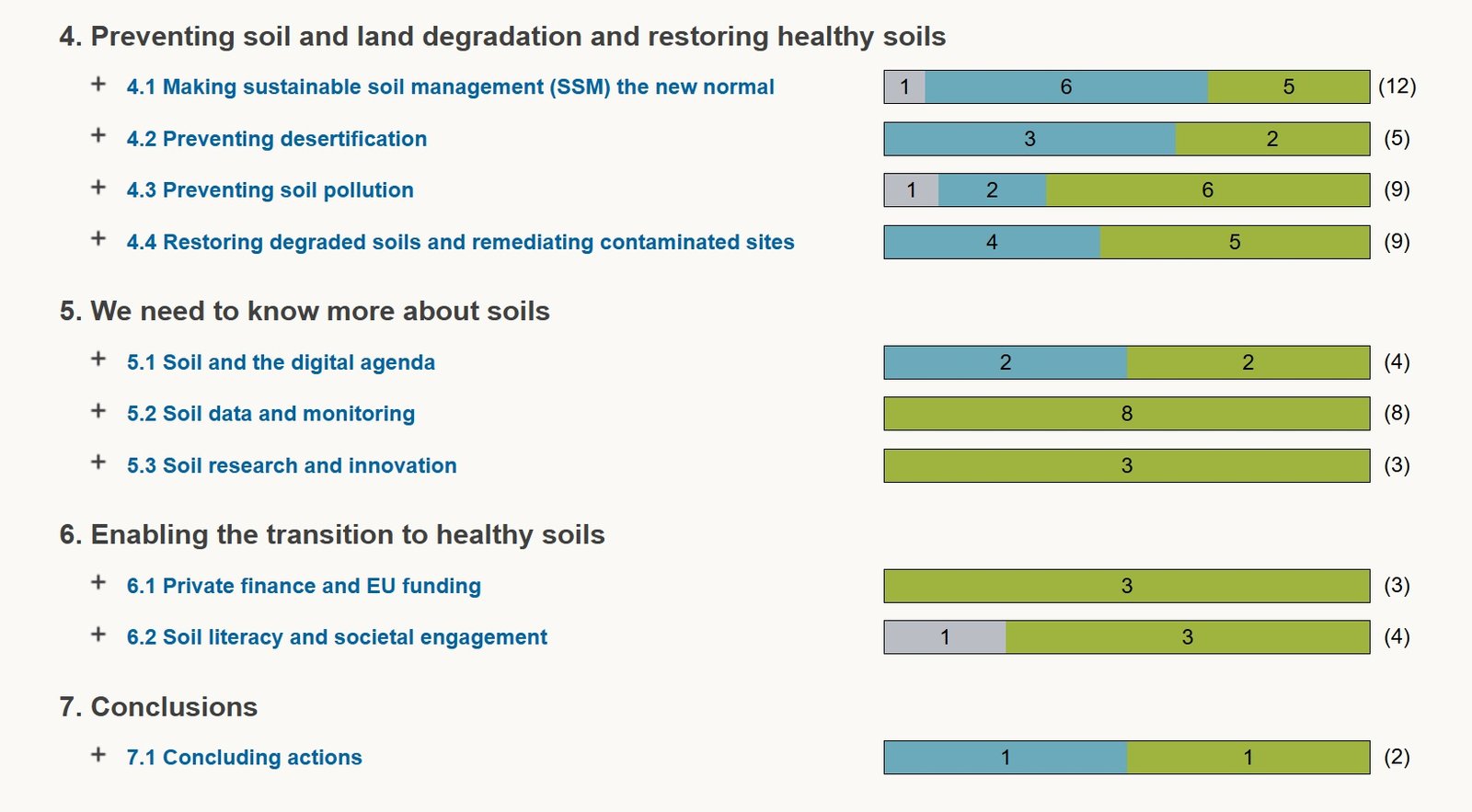
Fonte: European Soil Data Centre (ESDAC), “EU Soil Strategy Actions Tracker”, 2025 https://esdac.jrc.ec.europa.eu/esdacviewer/action-tracker/
Road to 2030
The EU Mission aims to restore the health of at least three-quarters of the continent’s soils by 2030. Achieving this goal also requires knowledge and awareness of the problem and implies for this awareness raising and knowledge dissemination initiatives. A number of projects has been completed. Such as the publication of a guide on EU funding opportunities for soils and the launch of a literacy initiative on the issue.
The list of completed initiatives also includes harmonized EU-wide monitoring of soil organic carbon and the development of an inventory of European soil microbiota. Projects to enhance the use of digital tools and improve the modeling capability of Destination Earth soil-related processes, a program to develop a highly accurate digital model of the Planet to monitor and simulate natural phenomena and the impact of human activities on the Planet, among others, are still ongoing.
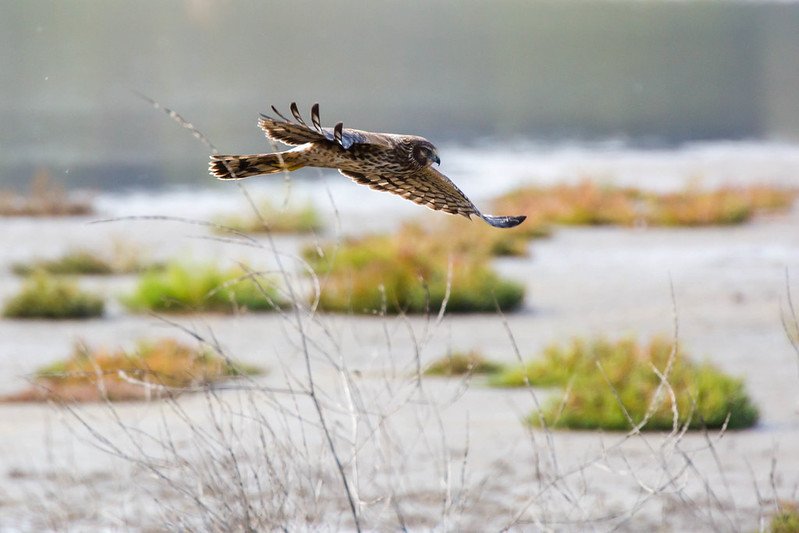 Melissa McMasters Attribution 2.0 Generic CC BY 2.0 Deed
 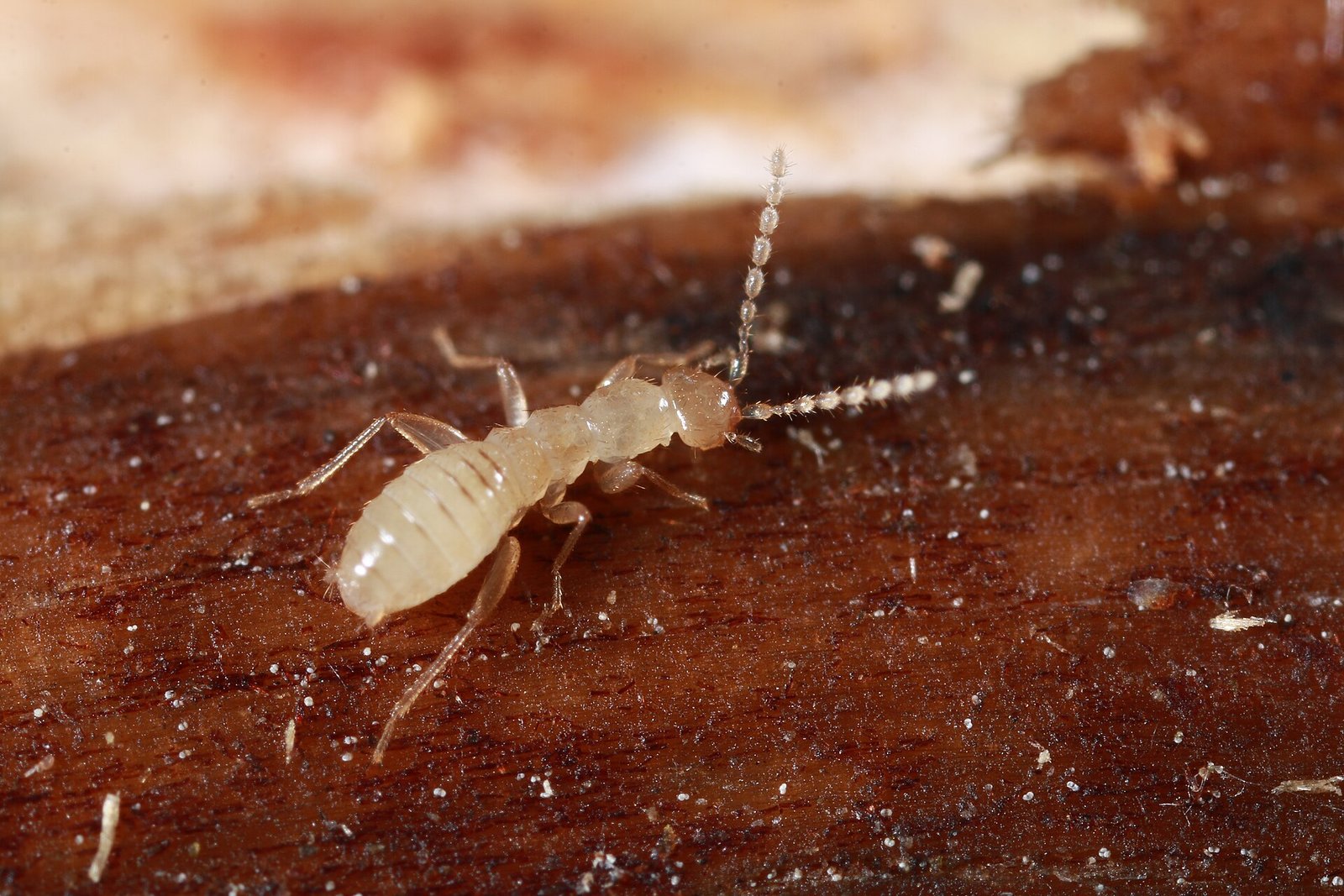 Angal insect Attribution-ShareAlike 4.0 International CC BY-SA 4.0 Deed
  ECHO
ECHO