Here is how we can predict the impact of climate on soil microbes
 Photo: CGIAR Attribution-NonCommercial-ShareAlike 2.0 Generic CC BY-NC-SA 2.0 Deed
 A British study found that opposing extreme weather events alter soil microbe communities according to distinct and predictable dynamics
by Matteo Cavallito
Extreme weather events impact soil microbes. Understanding how this happens and what it entails then allows for the accumulation of new knowledge about the risks posed by climate change. This is detailed in a research by the University of Manchester, published in the journal Nature. The study provides new insights into the behavior of microorganisms known to play an essential role in natural processes and the carbon cycle by determining the amount of the element stored in the soil and released into the atmosphere.
Samples collected from 30 European grasslands
The researchers, explains a news release from the University of Manchester, collaborated with a network of European scientists by collecting soil samples from 30 grasslands located in 10 countries. Some samples, the study explains, were subjected in a simulated manner “to four contrasting extreme climatic events under common controlled conditions (drought, flood, freezing and heat)” to observe the response of microbes and compare it with that of untreated portions of the soil.
“Soil microbiomes exhibited a small, but highly consistent and phylogenetically conserved, response under the imposed extreme events,” the scientists explain.
“Heat treatment most strongly impacted soil microbiomes, enhancing dormancy and sporulation genes and decreasing metabolic versatility,” they add.
Soil characteristics help predict climate impacts
Researchers have found that microbial communities in soils from different parts of Europe react differently to extreme events to which they are more rarely subjected. Soils from colder, wetter climates, for example, were found to be particularly vulnerable to heat waves and drought. Those from arid regions seemed more susceptible to flooding. The results, in short, “show that extreme climatic events will probably affect soil functioning most strongly in regions that do not normally experience similar extreme conditions, which are also those that are warming most rapidly”
“Together, our results indicate that contrasting extreme climatic events shift soil microbial communities in distinct, predictable directions,” the researchers explain.
“The response of functional microbial community composition ,” they add, ”could be predicted by both the type of disturbance and soil and climatic properties. This response “was linked to enzyme activities and the ability to use different carbon sources, suggesting that extreme events may have consequences for soil carbon storage through their impacts on soil microbial communities.”
New knowledge about microbes
Although the soil microbiomes of different climates share unified responses to extreme events, the research points out, specific knowledge of the microbiome of a certain soil in a certain place is still necessary to predict the magnitude of change triggered by the climate factor. Finally, the scientists also found that microbes can “suspend” their activity under any climatic condition. Microorganisms, in other words, can react to the most difficult situations by going into quiescence waiting for more favorable circumstances.
The research results, in any case, make for a better understanding of soil microbial responses. And are a first step in making general predictions about the impact of extreme weather events on soil functioning.
 Melissa McMasters Attribution 2.0 Generic CC BY 2.0 Deed
 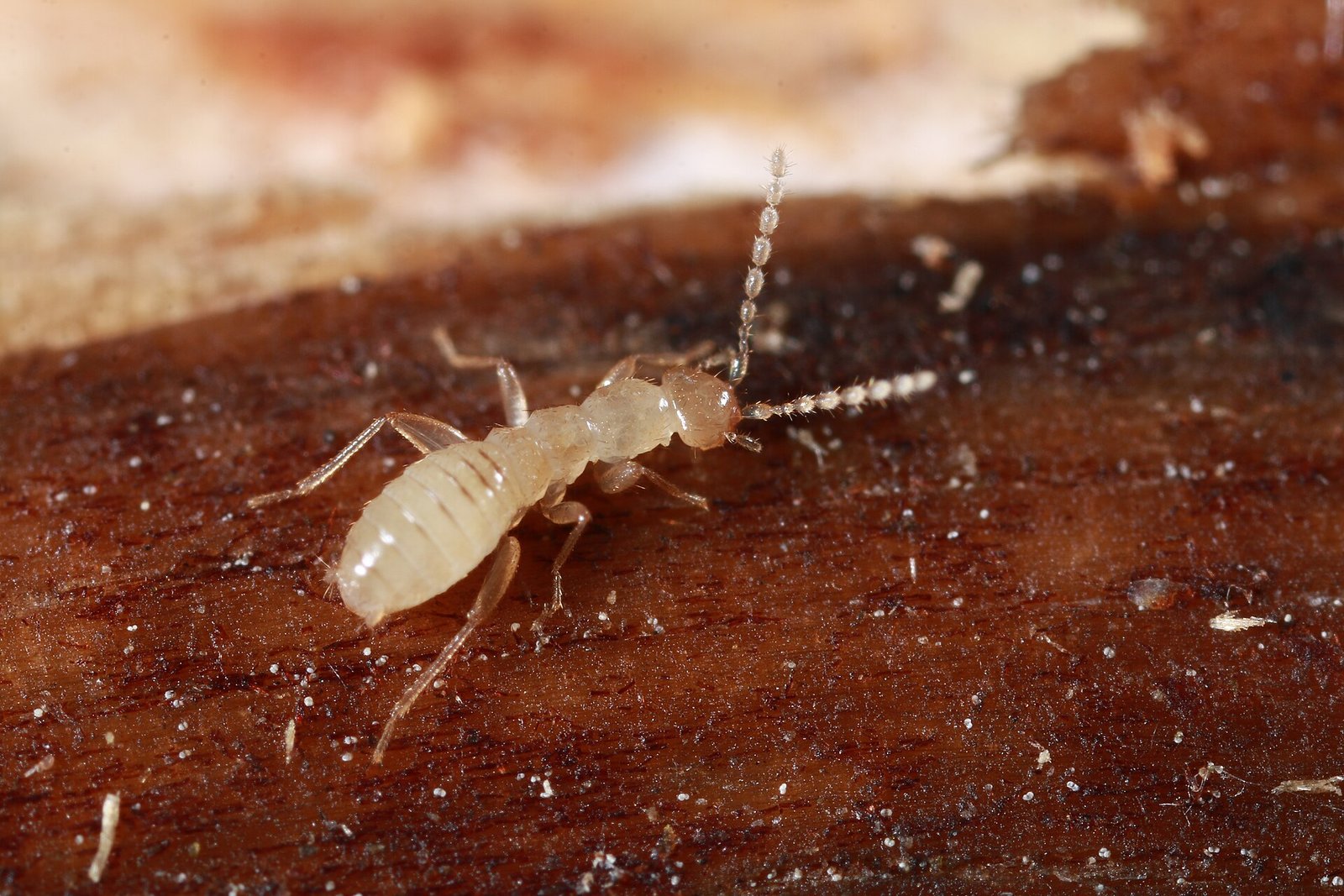 Angal insect Attribution-ShareAlike 4.0 International CC BY-SA 4.0 Deed
  ECHO
ECHO