Desertification halves soil functionality in Brazil
 A. Duarte Attribution-ShareAlike 2.0 Generic CC BY-SA 2.0 Deed
The calculation is contained in research conducted by two universities in the country, which analysed degraded areas in the north-east of Brazil. A confirmation of the impact of desertification on the soil’s ability to sequester carbon
by Matteo Cavallito
Desertification in Brazil‘s north-eastern Caatinga region could reduce overall soil functionality by more than 50 per cent. A phenomenon that is bound to limit the soil’s ability to support plant growth, promote human and animal well-being, and sequester carbon. This was suggested by a study published in the journal Applied Soil Ecology quoted by FAPESP (São Paulo Research Foundation). The research was conducted by scientists from the Federal University of Ceará (UFC) and the University of São Paulo (USP).
Desertification accelerates in Brazil’s arid lands
“The Brazilian drylands (Caatinga biome) are facing accelerated soil desertification due to human activities (e.g., overgrazing),” the study explains. “However, restoration practices (e.g., grazing exclusion), are promising to curb soil desertification and, eventually, increase soil functioning. However, the understanding of soil health (SH) changes, induced by desertification and restoration in the Caatinga biome remains, poorly understood.” The study was based on a tool known as the Soil Management Assessment Framework (SMAF) and used to assess soil health.
Based on calculations performed by algorithms that place the results of the analysed factors on a scale from 0 to 100 – where 100 is the most positive value – this indicator returns a final result that expresses the soil health index.
Three aspects were examined: the state of the native vegetation, the state of the soil degraded by overgrazing, and the condition of the soil restored after the exclusion of grazing. The researchers also studied chemical, physical and biological indicators as well as microbial biomass carbon and enzyme activity.
Grazing impacts on soil health
The scientists analysed 54 soil samples taken during the dry and rainy seasons in three different areas near Irauçuba. An area located in the northern part of the state of Ceará, Brazil. Three types of vegetation can be observed here: native, degraded and restored. The reduction of more than 50 per cent in soil functionality was calculated through various analyses in the degraded areas. From a physical point of view, the soil was very impaired, mainly due to compaction caused by trampling by animals. A phenomenon that accelerates the erosion process.
“Briefly, overgrazing reduced (0.44 and 0.47 in rainy and dry seasons, respectively) the soil health Index compared to native vegetation (0.72 and 0.82 in rainy and dry seasons, respectively),’ the study explains.
Furthermore, “Bulk soil density and sodium adsorption ratio were the indicators that presented a higher negative correlation with soil health, mainly in degraded soil by overgrazing”. Contemporaneamente, “soil organic carbon, microbial biomass carbon, and β-glucosidase activity (an enzyme activity, ed.) correlated with soil health in native vegetation and estored by grazing exclusion soils.”
Restoration works
The picture that emerged from observing the areas subject to restoration is particularly interesting. These are, explains FAPESP, fields that had been completely fenced off more than two decades ago to prevent human activity and animal movement. No plant species were planted in these areas precisely in order to assess, over time, how the natural regeneration process was progressing without any interference.
“In the restored areas, we found that by preventing human activity, it was possible to achieve physical, chemical and biological indices close to their original composition,” explained Arthur Pereira, professor at the Federal University of Ceará and coordinator of the study. “So, over the course of two decades, it’s been possible to restore the health of the soil, which could also be promising for carbon sequestration, since these areas had higher levels of total and microbial carbon stocks”.
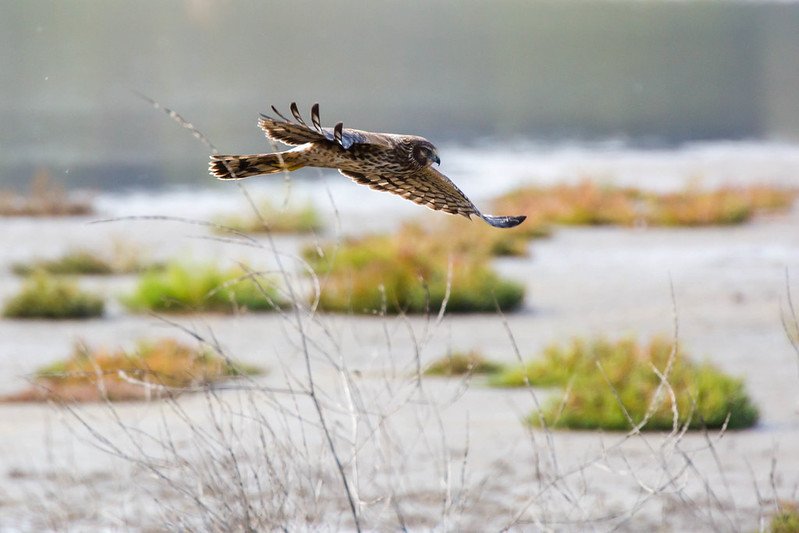 Melissa McMasters Attribution 2.0 Generic CC BY 2.0 Deed
 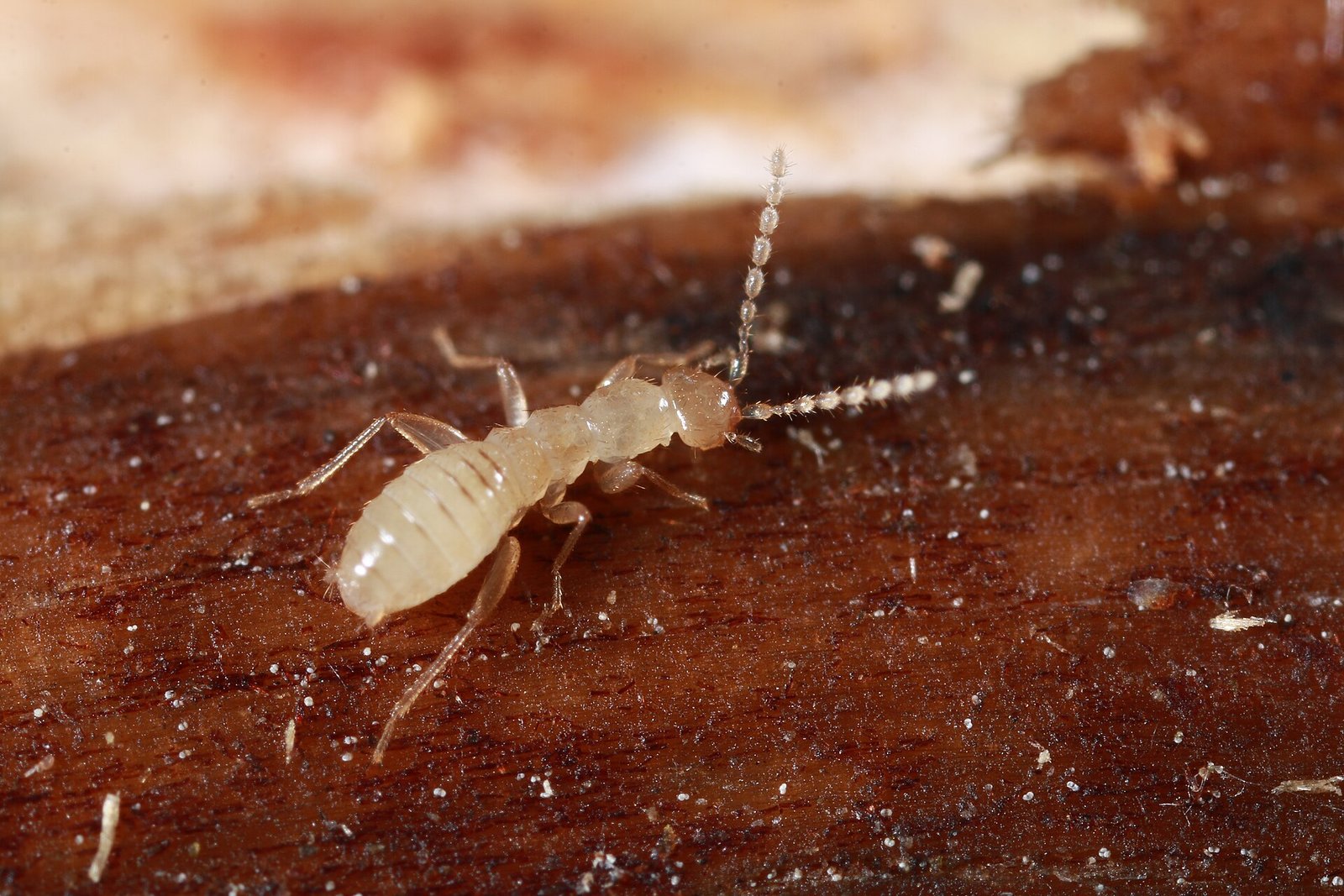 Angal insect Attribution-ShareAlike 4.0 International CC BY-SA 4.0 Deed
  ECHO
ECHO