EU proposes three agricultural strategies for ecosystem restoration
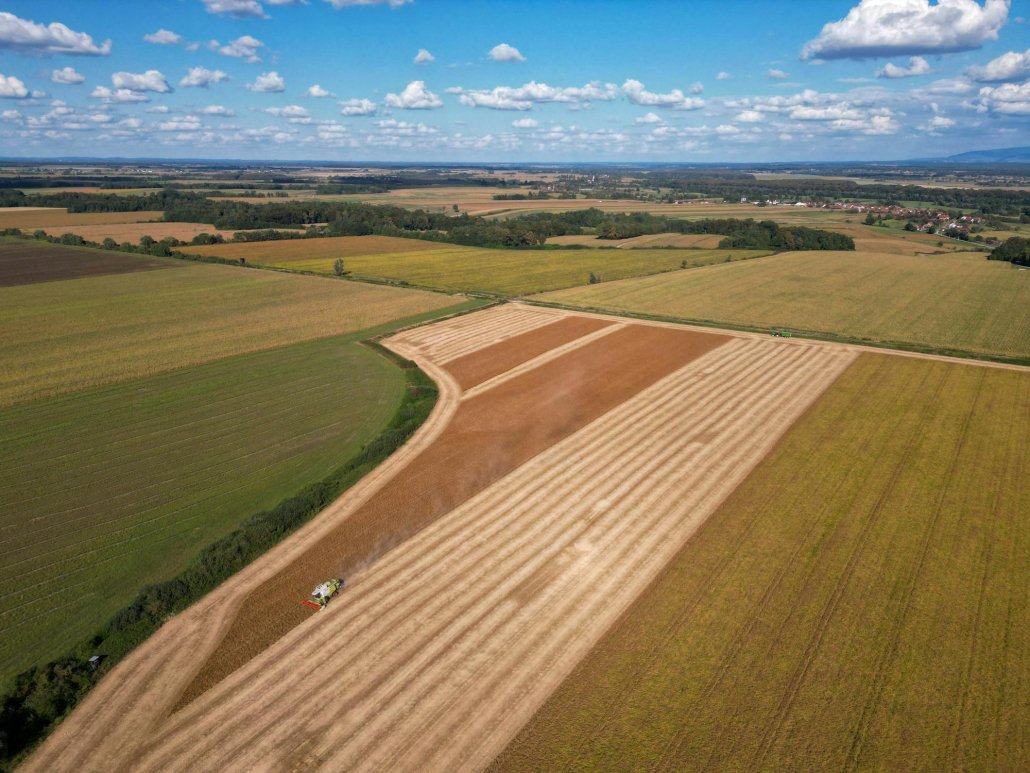 Photo: Vladimir Srajber pexels
The European Environment Agency suggests approaches to protect ecosystems and biodiversity: sustainable soil and water management, reconstruction of agricultural landscapes, maintenance and restoration of semi-natural habitats
by Matteo Cavallito
Agriculture based on good practices can help counter the biodiversity crisis by restoring ecosystems in the Continent, says a new document from the European Environment Agency (EEA) released in recent weeks. According to the study, these strategies available to farmers can improve habitat conditions and regenerate landscapes, while managing soil and water in a sustainable way. They also help “enhance the ability of the agricultural sector to cope with increasing climate change impacts like droughts and floods as well as boosting productivity,”
The link between agriculture and biodiversity
Food production, the EEA recalls, is one of the vital human activities that interact most directly with nature. Agriculture relies on essential processes such as pollination and soil formation. Biodiversity, for its part, contributes to strengthening agriculture itself and food security. The strategic plans of the CAP, the Common Agricultural Policy of the EU Member States, currently include measures to support these practices.
To effectively restore agro-ecosystems, however, says the EEA, “enhanced and coherent policy incentives combined with adequate financing are needed to efficiently restore ecosystems that support food production and strong rural communities”.
In Europe, nature restoration and the transition to sustainable agricultural practices are key objectives of the Biodiversity Strategy 2030. Efforts in this area, the EU Agency recalls, are also crucial for climate mitigation through appropriate crop strategies that promote carbon sequestration in the soil (so-called carbon farming).
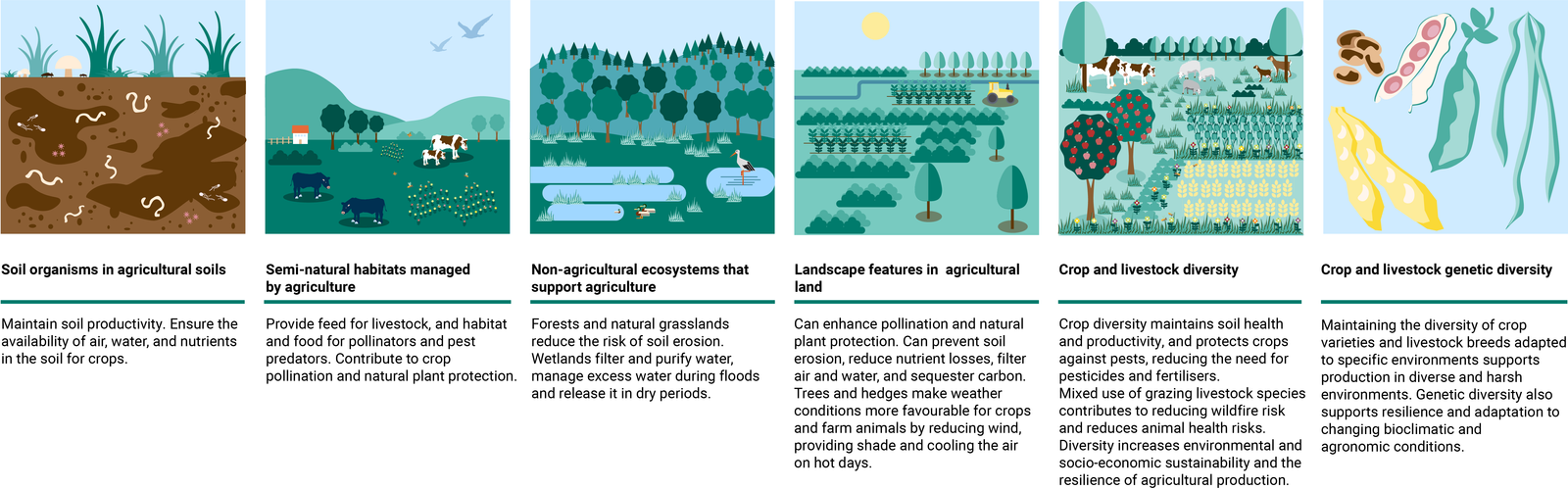
How the key elements of biodiversity support agriculture. Image: EEA European Environment Agency, “Solutions for restoring Europe’s agricultural ecosystems“, Briefing October 22nd 2024
Useful solutions in agriculture
According to the paper, the agricultural sector can use three approaches to conserve and restore agro-ecosystems:
- Reducing pressures on biodiversity by sustainably managing soil and water. That is, curbing pollution, promoting the restoration of ecosystems which, in turn, improves the services they provide for the benefit of agricultural production.
- Reconstructing multifunctional agricultural landscapes rich in biodiversity. The list includes landscape elements such as tree rows, hedges and grassy margins. This can improve soil health and ecosystem services.
- Maintaining or restoring semi-natural habitats. This refers to farmers engaged in the management of biodiversity- and carbon-rich environments including those protected by the relevant EU Directive such as grasslands, heathlands, wooded pastures, traditional agroforestry systems and orchards.
Examples of good agricultural practices in support of these three strategies include the protection and restoration of grasslands through grazing, agroforestry, organic soil restoration and the application of paludiculture, protection of landscape elements, maintenance of fallow land, crop rotation and soil cover with crop residues left on the ground.
EU ecosystems are under increasing pressure
Due to the degradation of nature, the document continues, the capacity of ecosystems to support agriculture in Europe has decreased over the years. The intensification of agricultural production has led to the loss of biodiversity and soil degradation also driven by the massive use of chemical pesticides and mineral fertilisers as well as large-scale irrigation. The growing scarcity of water – due to pollution and the increased incidence of climate-related extreme events such as droughts – remains an obvious problem.
It is no coincidence, recalls EEA, that financial institutions are still developing strategies to counter the economic impacts of these phenomena. ‘”Agriculture and farmers are significantly exposed to nature-related risks such as yield and income loss due to soil erosion and declines in pollination,” the EEA writes. “The cost of productivity loss due to soil erosion in the EU is estimated at EUR 1.2 billion per year. Incorporating the restoration of agricultural ecosystems into farming practices holds the potential to reverse these trends.”
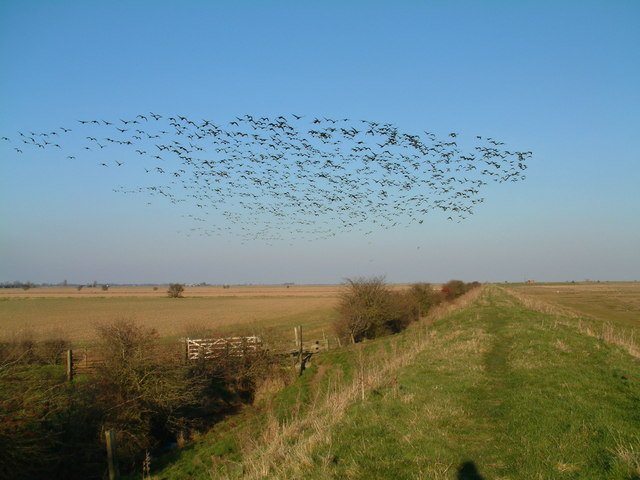 Ian Sharp Attribution-ShareAlike 2.0 Generic CC BY-SA 2.0 Deed
  Rod Waddington Attribution-ShareAlike 2.0 Generic CC BY-SA 2.0 Deed
 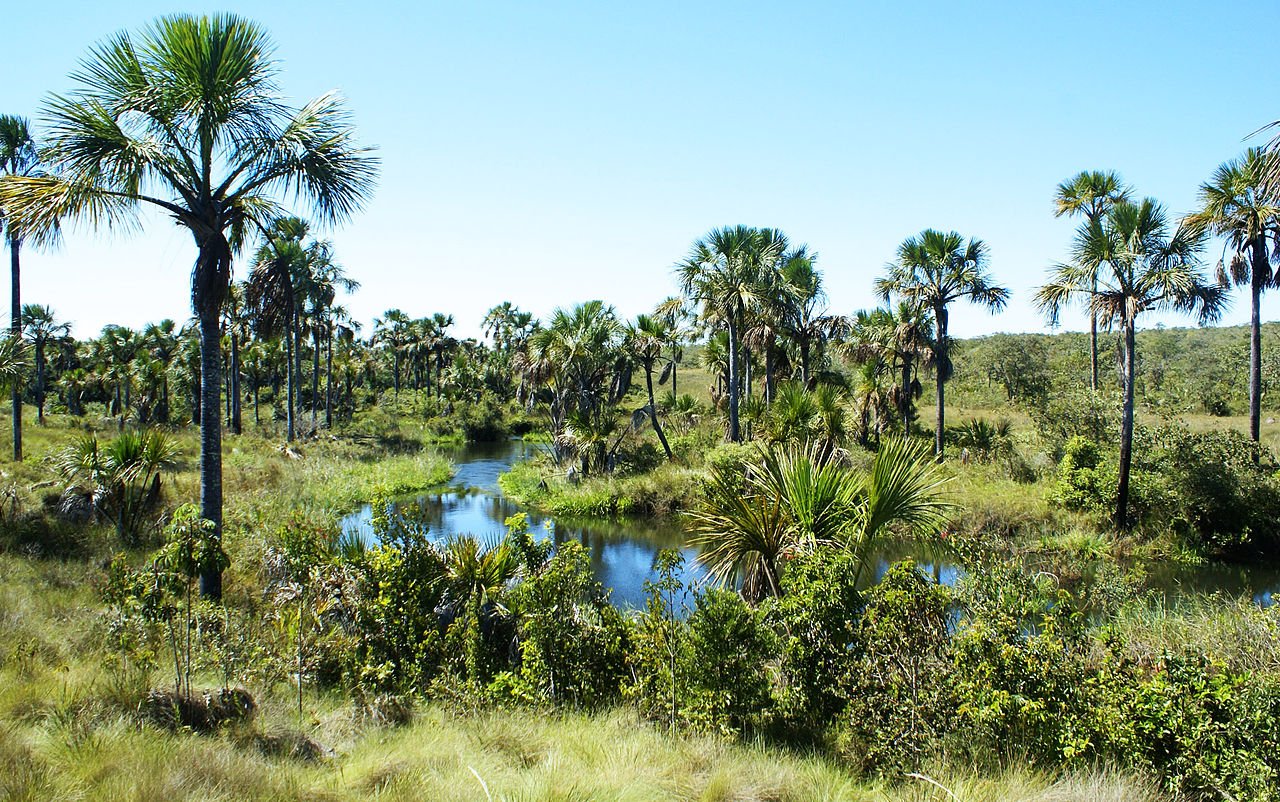 Thpelin Attribution-ShareAlike 3.0 Unported CC BY-SA 3.0 Deed