Perennial woody crops help preserve biodiversity
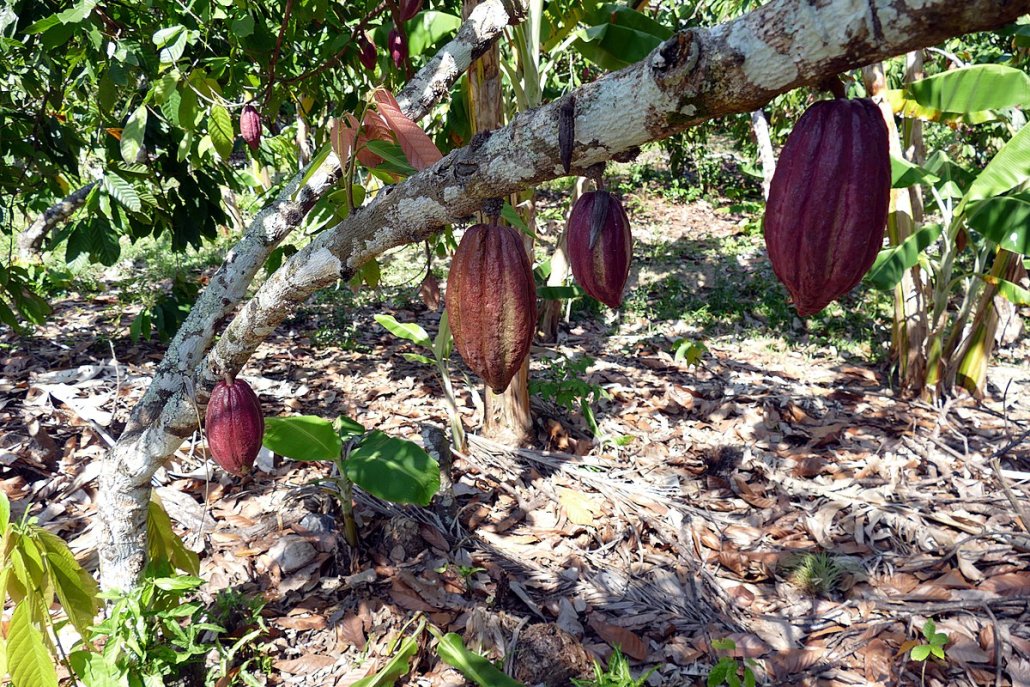 Maxence Attribution 2.0 Generic CC BY 2.0 Deed
 Some plants, such as coffee, cocoa and fruit trees support wide biodiversity. But science and agricultural policies, researchers write, tend to underestimate their potential
by Matteo Cavallito
Woody crops are not only essential for food and the global economy, they also have immense potential for biodiversity protection. In addition, they play an essential role in climate mitigation and a key role in achieving the Sustainable Development Goals set by the United Nations. This is according to researchers at two German institutions: the Helmholtz Center for Environmental Research (UFZ) and the Center for Integrative Biodiversity Research (iDiv).
In a study published in Nature Sustainability, in particular, the authors recommend that policymakers develop specific programs to promote sustainable practices in this type of agriculture, which includes woody plants that occupy the soil for long periods and do not need to be transplanted after each harvest.
Agricultural policies forget woody crops
Perennial woody crops such as olives, coffee, fruit trees and cocoa currently cover more than 183 million hectares worldwide. Yet, according to scientists, they are still largely neglected by agricultural policies. To date, in fact, the authors write, their potential “is hindered by insufficient scientific and policy attention”
Agricultural policies, they say in a statement, usually focus on annual crops, such as wheat, sunflower or rice, which have shorter life cycles, from germination to harvest, within a single year.
Although it is critical to promote sustainable practices in annual crops, the ecological benefits of these systems are often limited because of their simpler structure and short-term dynamics. “In this Perspective, we highlight the potential of properly managed and incentivized perennial woody crops to support holistic sustainable development and urge scientists and policymakers to develop an effective agenda to better harness their benefits,” scientists write.
A crop against erosion and biodiversity loss
Characterized by a more complex structure than other crops, tree crops, the researchers explain, provide stable habitats capable of supporting extensive biodiversity. Thanks to their permanent root systems and extensive leaf litter, they also prevent soil erosion. Morever they increase soil fertility.
Finally, they provide carbon sequestration and storage, improve habitat connectivity in fragmented ecosystems, and preserve protected areas from the impacts of intensive agriculture.
“We’re missing an opportunity to leverage tree crops to address some of the biggest environmental and social challenges of our time,” explained Carlos Martínez-Núñez, researcher at the Doñana Biological Station in Andalusia and coordinator of the study. “When managed properly, these agricultural systems can be a powerful tool for biodiversity conservation, climate change mitigation, and rural poverty alleviation, in addition to producing around 1,000 million metric tons of food annually.”
Supporting policies needed
The authors then call for the implementation of standards, financial incentives and supportive policies to improve agricultural practices affecting tree crops to enable them to maximize their contribution. Examples include the EU’s own Common Agricultural Policy (CAP). This, says Guy Pe’er, a co-author affiliated with UFZ and iDiv, includes measures “to support farmers engaging in extensive management of orchards, restoring landscape features in vineyards or employing integrated pest management.”
However, he says, “support measures are missing, budgets are too limited and many farmers are even exempt from basic standards.” Although, he adds, “In the next CAP reform, this could be easily addressed to the benefit of both farmers and society.”
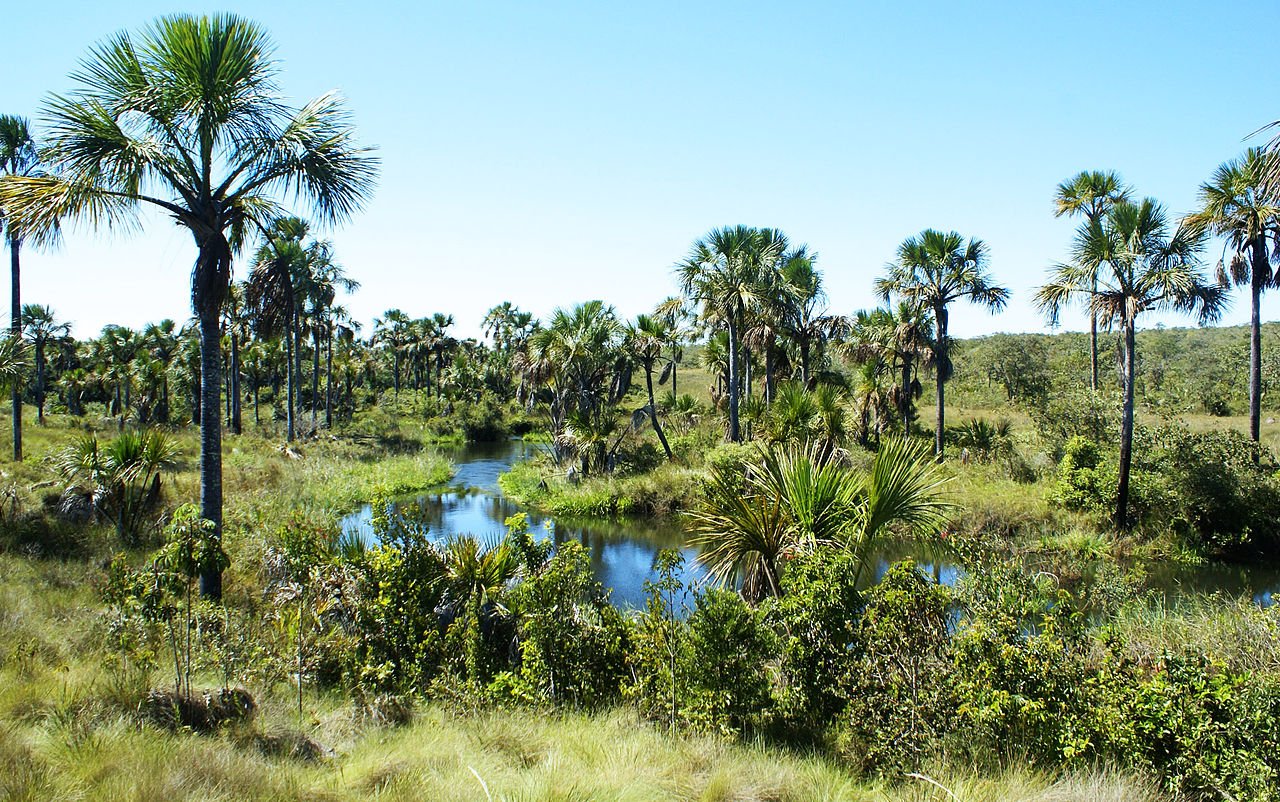 Thpelin Attribution-ShareAlike 3.0 Unported CC BY-SA 3.0 Deed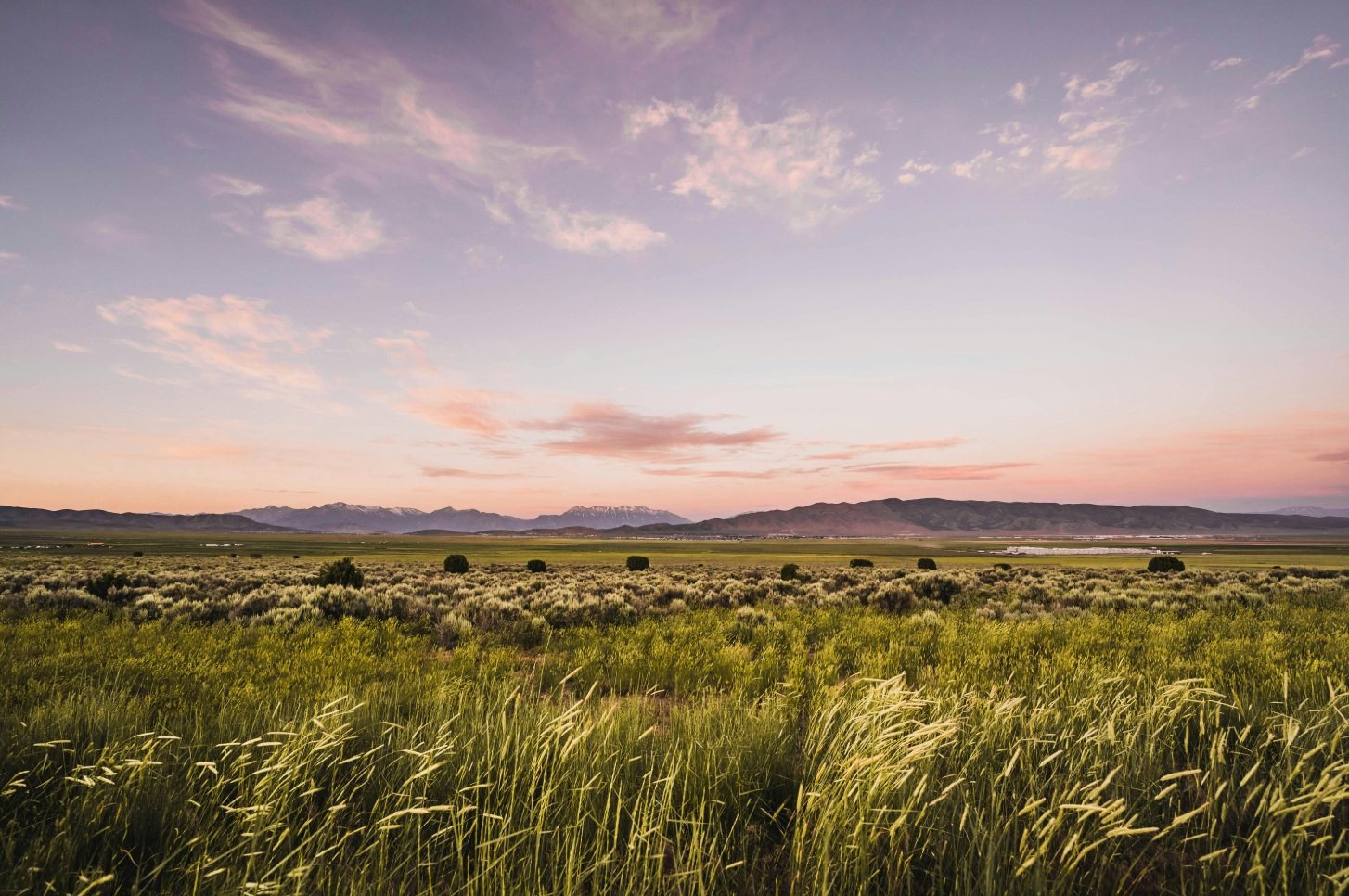
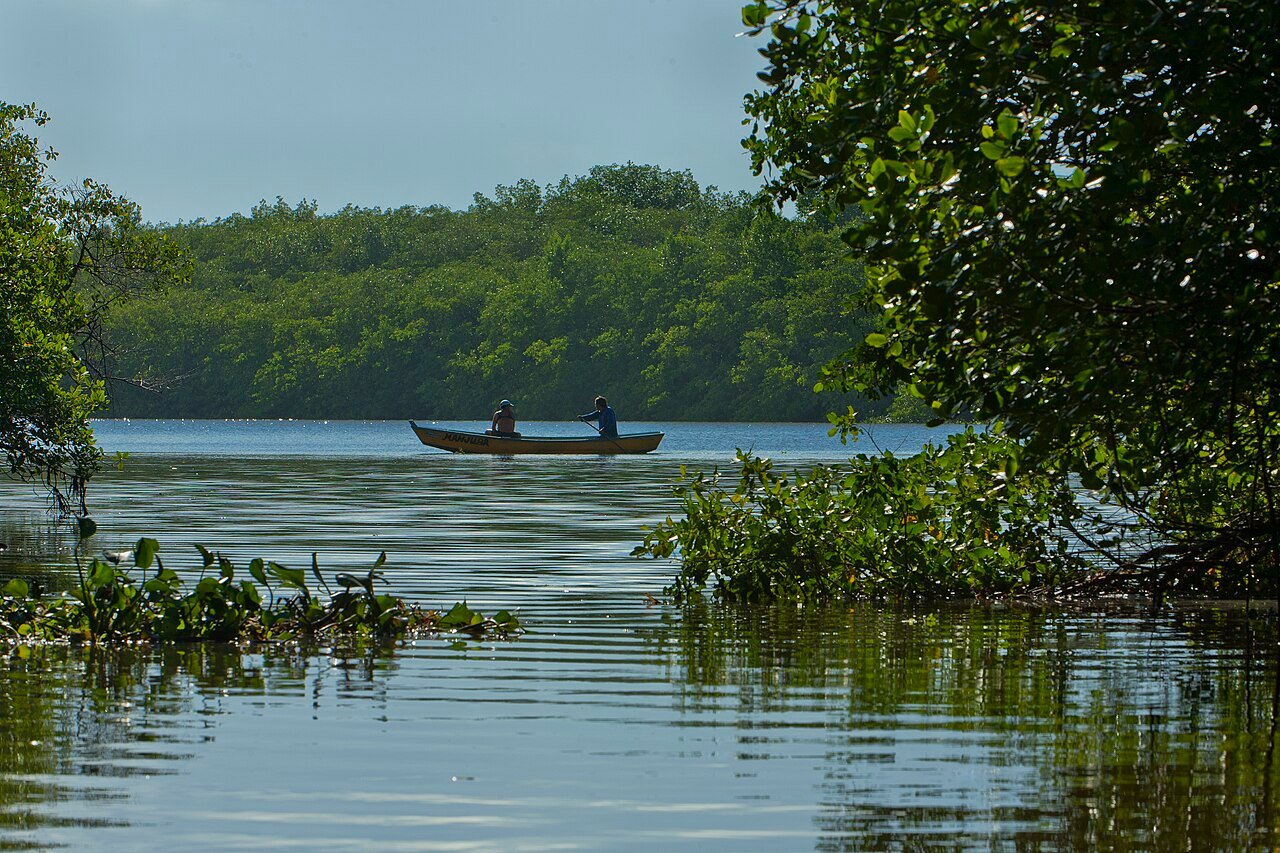 Jonathan Wilkins Attribution-ShareAlike 3.0 Unported CC BY-SA 3.0 Deed