War-hit areas lose the capacity to feed millions of people
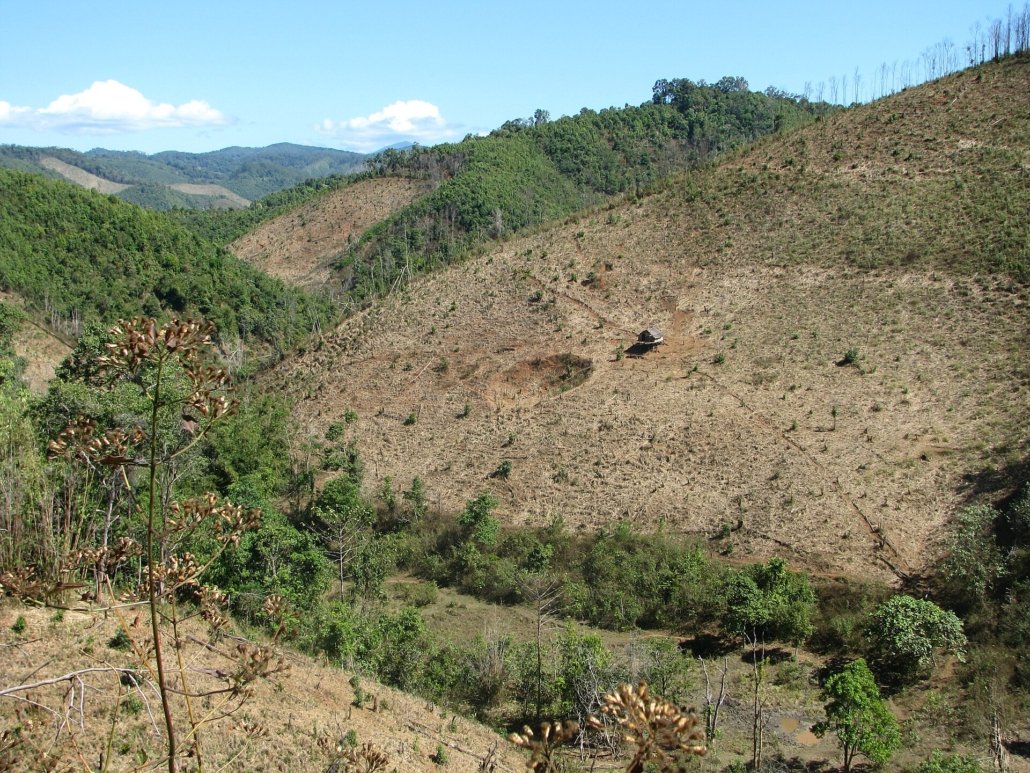 Photo: AusAID / Department of Foreign Affairs and Trade, CC BY 2.0
Between 2000 and 2020, war-affected areas lost around 250,000 square kilometres of cropland. West Africa, Eastern Africa and Southeast Asia suffered the greatest losses
by Matteo Cavallito
Armed conflicts reduce cropland area and undermine food production capacity, with effects that can persist for years. These are the findings of a study published in Nature Food and conducted by researchers at the Institute of Geographic Sciences and Natural Resources Research of the Chinese Academy of Sciences. In areas exposed to fighting, the study identifies an overall decline in cropland, with the frequency and severity of fighting helping to determine the scale of the losses.
Agricultural land is particularly exposed to war
The link between war and food insecurity is widely recognised. Its long-term effects on farmland, however, are less well understood, particularly at the global scale. To investigate them, the researchers combined “annual high-resolution cropland maps (2000–2020) with more than 460,000 conflict events across 155 countries to assess how armed conflicts affect cropland loss and food security”. Specifically:
“By 2020, conflict-exposed areas within 5 km of conflict events covered only 3% of global land but contained 6% of global cropland, indicating disproportionate exposure of agricultural land to conflict”.
Farmland is therefore particularly at risk. The decline in cultivated land near conflict sites is all the more striking given that global cropland area actually increased over the same period.
Losses are greater where fighting is frequent and prolonged
To distinguish conflict-related changes from broader environmental and socioeconomic trends, the researchers used statistical methods to compare cropland changes between conflict-exposed areas and otherwise similar areas unaffected by fighting. “Difference-in-differences estimates show that conflict exposure caused an average annual cropland loss of 14.46 ha per buffer-year and a 3% decline in cropland area”, the study explains, identifying West Africa, Eastern Africa and Southeast Asia as the hardest-hit regions. Further analyses also “indicate 23.7% greater cropland loss” in conflict-affected areas than in similar areas without fighting.
The effects, however, vary considerably: the group experiencing the most frequent fighting lost around one-third of its cultivated land.
Prolonged and more severe conflicts are also associated with greater losses than intermittent or less severe conflicts. By contrast, areas transitioning to peace show no clear evidence of continued decline. Social and institutional conditions also matter: losses tend to be greater in countries with higher levels of displacement and food insecurity, while more effective government, better regulation and a stronger rule of law are associated with smaller losses.
Protecting and restoring production potential
The consequences of war become even clearer when the losses are expressed in terms of potential food production. After accounting for cropland gains and for losses caused by urban expansion, the authors estimate that conflict-affected areas lost approximately 249,667 square kilometres of cropland between 2000 and 2020.
“Preventing these losses could have supplied dietary energy sufficient for 255.54 million people annually”, the study notes.
The researchers stress that this figure is only an estimate of lost production capacity. It does not measure actual food consumption or how many people experienced hunger. Both also depend on trade, prices, distribution and access to food. The findings nevertheless highlight the need to monitor conflict alongside changes in cropland, combining immediate humanitarian assistance with sustained efforts to restore agricultural infrastructure, support farmers and strengthen local institutions.
 Consorzio Biorepack
 Ecomondo
 Aethonatic / Wikimedia Commons — CC0