The tiny “fingers” that help plants survive stress
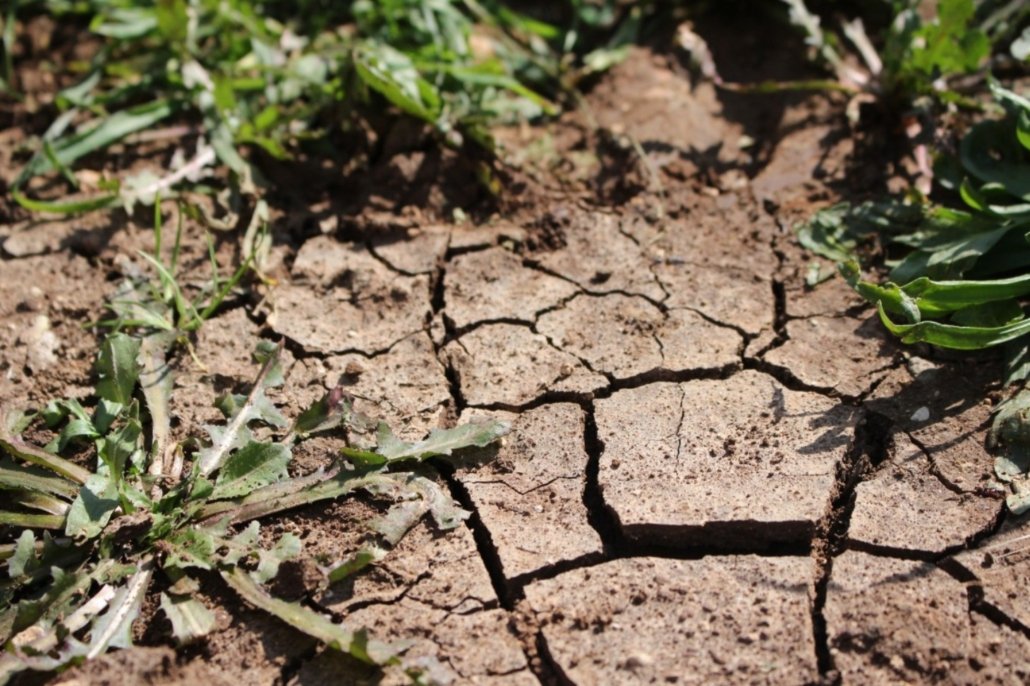 pxhere, CC0 Public Domain. Free for personal and commercial use. No attribution required
German study sheds light on the role of plant stromules, the slender extensions of chloroplasts that transmit stress signals to the cell nucleus and activate defenses against heat, drought, and soil salinity
by Matteo Cavallito
To cope with heatwaves, drought, and the growing salinization of soils, plants obviously cannot move in search of better conditions. Their survival therefore depends on their ability to respond quickly by activating effective defense mechanisms. Yet the processes behind these responses have long remained a genuine mystery. At least until now.
A new study by the Karlsruhe Institute of Technology (KIT) has now shed light on the phenomenon by revealing the role of a specialized cellular communication system involving chloroplasts, the organelles responsible for photosynthesis. Under stress conditions, chloroplasts develop slender tubular extensions known as stromules—finger-like structures that plants use to send signals to the nucleus and activate genetic programs capable of limiting the damage caused by adverse environmental conditions.
The cellular communication system of plants
First observed in the nineteenth century, stromules have intrigued scientists for decades, giving rise to two main hypotheses about their function. “Stromules might channel metabolic flux from plastids to peroxisomes during jasmonate biosynthesis”, explains the study published in Plant Physiology, ” or they might serve as conduits for plastid–nucleus retrograde signaling”. To determine which hypothesis was correct, the researchers combined tobacco cells, fluorescent markers, confocal microscopy, and artificial intelligence-based image analysis.
During the investigation, the researchers found that these extensions do indeed provide a communication pathway between chloroplasts and the nucleus, strongly supporting the second hypothesis.
When a plant experiences stress, chloroplasts respond by producing these slender extensions, which transmit a signal to the nucleus, the cell’s control center. As Peter Nick, professor at KIT’s Institute of Botany and co-author of the study, explains in a press release, “particular genes are enabled or disabled, which triggers protection programs that support the damaged areas”.
A rapid and dynamic response to stress
To investigate how chloroplasts respond, the researchers exposed the cells to methyl jasmonate (MeJA), a compound commonly used in laboratories to mimic the alarm state experienced by plants during drought, heat stress, or pathogen attack. Under these conditions, the number of stromules increased rapidly. Treatment with salicylic acid (SA), another molecule involved in plant defense, produced the same effect.
“Exogenous methyl jasmonate (MeJA) and salicylic acid (SA) each triggered a rapid (∼60 min) ∼3-fold increase in stromule frequency”, explains the study, noting that the increase was not simply due to the elongation of existing stromules but, above all, to the formation of new ones.
These findings suggest that stromules represent a rapid and dynamic response to environmental stress. In other words, when a plant senses danger, chloroplasts appear to react by producing these slender extensions, which help activate and coordinate the cell’s defense mechanisms. Finally, the study showed that stromules “act as modulators of jasmonate-dependent gene expression”, coordinating the activation of the genes that enable plants to defend themselves. In other words, they do more than simply transmit the alarm signal—they also regulate its intensity.
More resilient crops for the agriculture of the future
The discovery is particularly significant at a time when climate change is exposing crops to increasingly frequent heat extremes and water scarcity. “We show that this alarm mechanism can be influenced in a targeted way and we have identified molecular factors that speed up the formation of the ‘fingers’ and make them more efficient”, Nick explains. As a result, in the long term, “new opportunities for farming will arise that focus on identifying wild plant varieties that can handle stress particularly well”.
The idea is that by understanding the mechanisms that drive the formation of these structures, researchers may pave the way for the selection of naturally more resilient plant varieties or the development of new crops better equipped to cope with climate change and other environmental challenges. “Maybe these properties can be transferred to crops in the future to better protect them against heat, drought, or saline soils”, Nick concludes.
 © European Union 2018 (photo by Pavel Koubek), CC BY-NC-ND 2.0
 Penn State. Attribution-NonCommercial-NoDerivatives 4.0 International, CC BY-NC-ND 4.0 Deed.
 Eric Guinther, CC BY-SA 3.0