One in five soil-dependent species is at risk of extinction
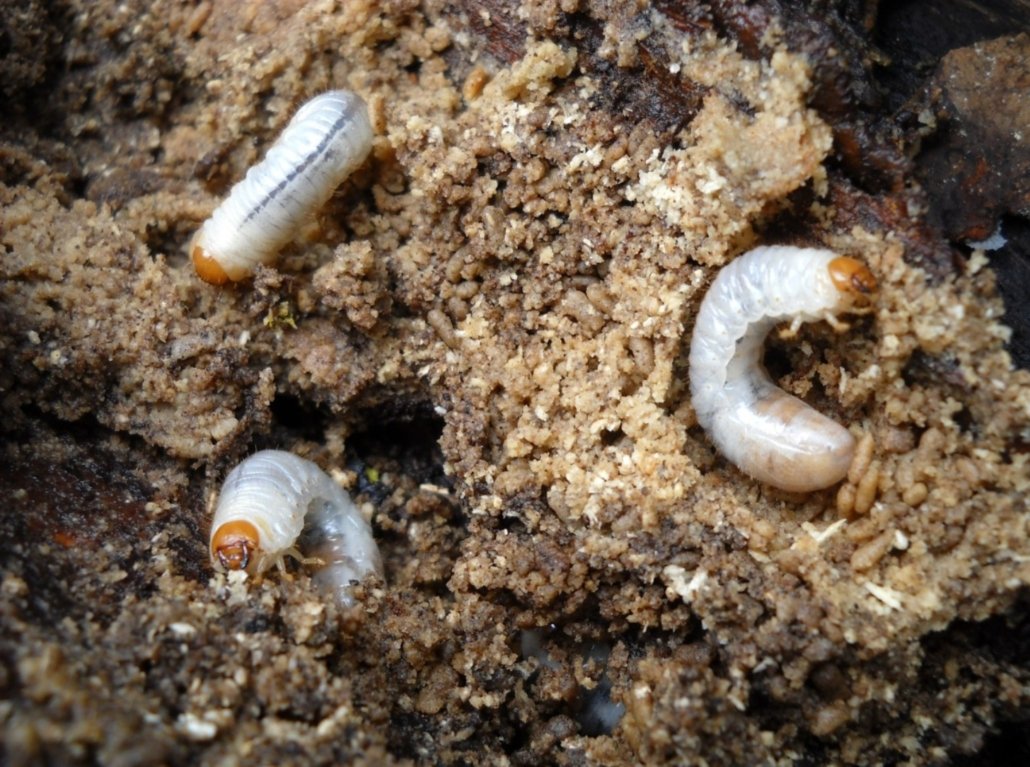 pxhere CC0 Public Domain Free for personal and commercial use No attribution required
A new study by Conservation International and IUCN reveals that over 20% of soil-related species could disappear. And the current lack of data suggests an even more problematic picture for biodiversity
by Matteo Cavallito
Soil degradation threatens the survival of the species that depend on it. A well-known phenomenon, but not easy to quantify due to the lack of data and sufficient knowledge. Contributing in this regard, however, is a new report by the NGOs Conservation International and IUCN (International Union for Conservation of Nature), the latter already author of the well-known Red List which, for over sixty years, has classified species based on their risk of extinction. According to the study, in particular, at least one fifth of the 8,500 species of animals linked to the soil would today be at risk of extinction. Even if the real figure, the authors suggest, is almost certainly higher.
The new list includes fungi and invertebrates
“Soils are estimated to be home to 59% of Earth’s species (and they contribute to multiple ecosystem functions and services, including climate regulation, soil formation and decomposition”, explains the study published in Oryx. However, a note from Conservation International points out that insufficient information on soil biodiversity, in particular, has so far limited the inclusion of species actually at risk within the list.
To update the list, which classifies the extinction risk of each species based on criteria such as population size and trend, geographic distribution, threats and habitat status, the authors added new assessments by examining for the first time over 500 species of fungi and invertebrates using IUCN criteria. “Invertebrates are critical to soil health, with their roles in nutrient cycling and improving soil structure,” said Axel Hochkirch, co-chair of the IUCN SSC Invertebrate Conservation Committee. For this reason as well, the emerging picture does not appear reassuring.
Extinction risk for at least 20% of species
The new list, in particular, includes “in total, 8,653 soil-dependent species, including the 503 species newly assessed for this study: 5,010 terrestrial vertebrates (14.3% of the 35,139 terrestrial vertebrates evaluated), 3,133 invertebrates (mostly arthropods and molluscs), and 510 fungi”. Overall, the study continues, “of the tagged soil-dependent species, 1,758 (20.3%) are globally threatened (Critically Endangered, Endangered or Vulnerable) and 1,722 (19.9%) species are Data Deficient (i.e. there is not yet enough information to determine whether the species is globally threatened)”.
In short, at least one species out of five would today be at risk of extinction. But considering the lack of sufficient data for a reliable assessment on another 20% of the total, the real number of those at risk is certainly higher. Moreover, the authors add, although “a further 5,138 soil-dependent species are not globally threatened (Near Threatened or Least Concern)”, 35 soil-dependent species “are believed to be globally Extinct”.
Protecting at-risk species means protecting the soil
In addition to helping produce 95% of the food consumed by humans, the authors recall, healthy global soil would be able, by storing carbon, to contribute to 27% of the emissions reduction efforts needed to meet the Paris climate goals. However, many of the species that keep the soil healthy are now at risk.
“This study draws attention to the dire state of many soil-dependent species,” explained Neil Cox, head of the Biodiversity Assessment Unit, a joint initiative of Conservation International and IUCN.
“We hope– he added – its publication spurs the increased focus and funding needed to understand how to conserve these species.” To address this emergency, the study recommends the establishment of a working group to strengthen and coordinate actions on biodiversity, the consolidation of links between regional and global organizations working toward this goal, and effective knowledge sharing among researchers, governments, land managers and the public on the importance of soil conservation.
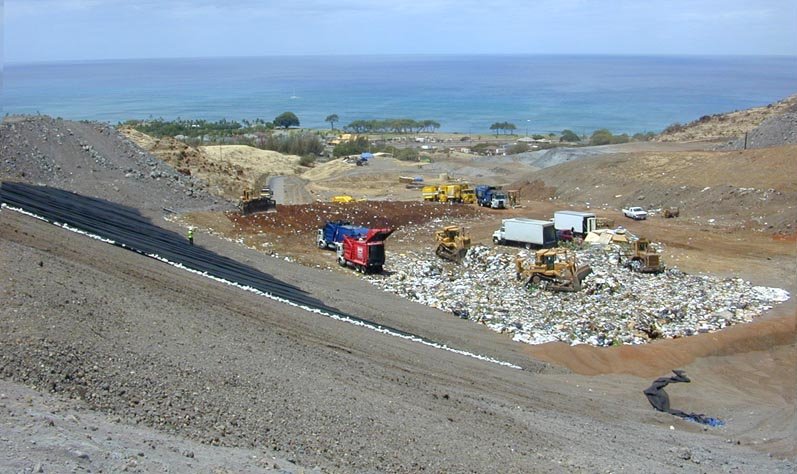 Eric Guinther, CC BY-SA 3.0
 Warren LeMay CC BY-SA 2.0
 Tom Jarrett, Attribution-NonCommercial-ShareAlike 2.0 Generic (CC BY-NC-SA 2.0) Deed