From Paris to New York, urban forests are spreading around the world
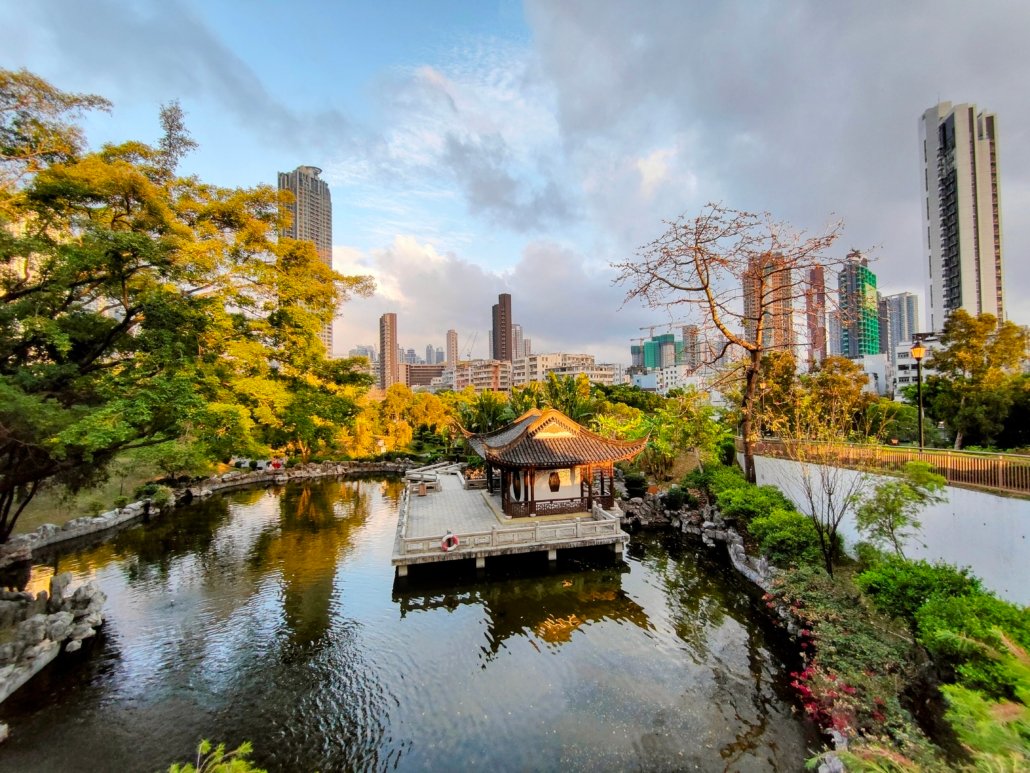 vgnavada from the WordPress Photo Directory CC0 1.0 Universal CC0 1.0 Deed
From the French capital to NY, as well as in Denmark and Brazil, the world’s major cities are increasingly focusing on tree planting and soil de-sealing. Better air quality, climate mitigation, and biodiversity conservation are the main benefits delivered
by Matteo Cavallito
The latest transformation has touched Place du Colonel Fabien, a popular crossroads located at the border between the 10th and 19th arrondissements, in the French capital. This is where a new green space is scheduled to open in February, with the goal of improving the appearance and climate of the square, especially during the summer months when heat waves become too intense. This project follows other similar initiatives in other parts of the city and, above all, is part of a broader and more ambitious plan: the development of Paris’s urban forest.
170,000 new trees in Paris in 6 years
Launched at the beginning of the decade, the plan calls for the planting of 170,000 trees by the end of 2026 with the aim of significantly increasing the city’s green space. According to a report released by the city council, excluding the two historic forests of Boulogne and Vincennes, in 2020 the capital had around 200,000 trees, half of which were located on streets outside actual green areas such as gardens and parks.
Once completed, the planting plan should produce noteworthy results in several areas, from heat mitigation to air quality. The first wave of plantings alone, which involved 15,284 trees in the first year, is expected to ensure a total sequestration of 11,150 tons of CO2 over the lifetime of these trees. These numbers are obviously set to multiply as the program is completed.
Green cities for an increasingly urbanized continent
What’s happening in Paris, anyway, isn’t a rare thing. Instead, it’s a widespread and long-term trend. “Urban forestry in Europe has grown significantly over the last 40 years, although its roots go back much further to include peri-urban city forest management, which in some cases date back many hundreds of years,” explains a FAO report.
The trend, the study continues, is primarily aimed at supporting a broader phenomenon, namely the growth of cities, which by the middle of the century are expected to be home to 84% of the continent’s population. In this scenario, the UN organization says, “ensuring the sustainable maintenance and implementation of urban green areas is a key factor that contributes to the delivery of multifunctional benefits.”
The Copenhagen experience
This concept is also recognised by the authorities in Copenhagen, who over the years have implemented a transformation designed to tackle climate change through two programmes – the 2011 Climate Adaptation Plan and the subsequent Cloudburst Management Plan – based on soil de-sealing and tree planting.
In addition to other extensive measures taken in this regard, the Danish capital has attracted attention as one of the continent’s leading examples of a ‘sponge city’.
That is, an urban model that combines nature and infrastructure to absorb, retain, and reuse rainwater, minimizing flooding and managing extreme weather events through innovative solutions. These include plants, parks, basins, and grassy ditches called bioswales that retain and filter water, gardens, green roofs, courtyards, and permeable parking lots, alongside other infrastructure designed to ensure water runoff during rainfall.
The Century of Urban Trees
The European trend—also driven by Italian initiatives such as the Picasso Food Forest in Parma and the planting for phytoremediation in the Goccia della Bovisa district in Milan— is part of a broader global tendency. “Cities worldwide are expanding greenspaces, including parks, urban forests, and grasslands,” said a recent study by University of Chinese Academy of Sciences, Beijing, published in Communications Earth & Environment, observing that “between 2000 and 2020, about 90% of cities experienced an increase in tree cover, and 49% of them recorded growth in non-tree vegetation.”
Among the most significant examples are São Paulo in Brazil, where the former industrial area of Jurubatuba has been redeveloped for residential use, and New York, where the “High Line” project transformed an abandoned historic elevated railway into a park with artificial soils and natural vegetation. In short, an original example of reclaiming a sealed piece of infrastructure through the introduction of soil layers and the creation of a green roof along its entire route.
Against gentrification we need forests for all
Urban forests also bring benefits that are too often underestimated. In addition to absorbing carbon and cooling the air by reducing heat island effect, city trees mitigate noise, filter pollutants from traffic and factories, and have positive impacts on mental and physical health. In short, regeneration and tree planting policies are a resource for the entire community and, for this very reason, must be carefully planned.
Otherwise, the FAO warned, there is a risk of growing inequality in access to green spaces between low- and middle-income countries and richer nations as well as between city centers and suburbs. This phenomenon could lead to “environmental gentrification“, which could drive out residents who cannot afford to live near their city’s green spaces. Hence the need to launch projects that are evenly distributed across different areas of the city. This would ensure equal access to green spaces, which is already included in the UN’s Sustainable Development Goals for 2030.
 Oded Gilad, CC BY-SA 4.0
 Hans Hillewaert, CC BY-SA 4.0
 Blonder1984, CC BY-SA 3.0